
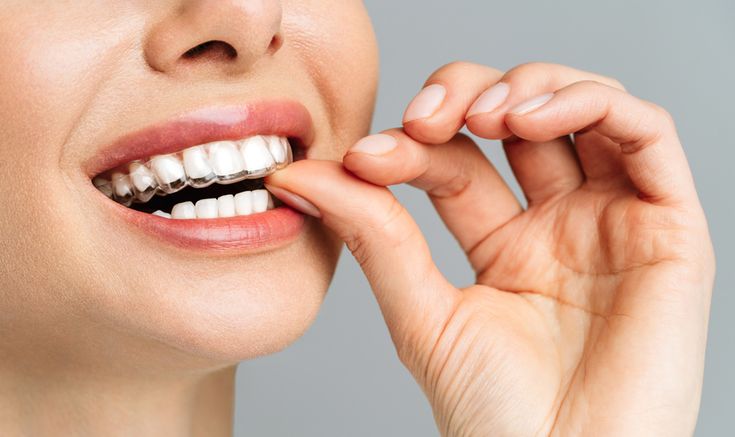
A smile is one of the first things people notice, and it plays a powerful role in how we present ourselves to the world. However, the health and appearance of your smile are heavily influenced by teeth alignment. Understanding how teeth alignment affects your smile is essential not only for cosmetic reasons but also for overall oral health and confidence.
What Is Teeth Alignment?
Teeth alignment refers to the way your teeth are positioned within your mouth. Ideally, teeth should fit together in a straight, well-spaced arrangement, with the upper teeth slightly overlapping the lower teeth. When teeth are misaligned, it can result in crowding, spacing, overbites, underbites, or crossbites. Misalignment may be caused by genetics, thumb-sucking during childhood, premature loss of baby teeth, or habits such as teeth grinding.
Proper alignment is important for both function and aesthetics. While crooked or uneven teeth can affect the appearance of your smile, they also impact biting, chewing, and even speaking.
Cosmetic Implications of Misaligned Teeth
The most obvious way teeth alignment affects your smile is through aesthetics. Straight, well-aligned teeth tend to enhance facial symmetry, improve appearance, and boost confidence. On the other hand, misaligned teeth can make a smile look uneven or crowded, affecting self-esteem. People with crooked teeth may feel reluctant to smile in social or professional situations, impacting their interpersonal interactions and overall confidence.
Modern dentistry offers several solutions to correct misalignment, including braces, clear aligners, and cosmetic procedures like veneers. Addressing teeth alignment issues not only improves your smile’s appearance but also encourages better oral hygiene and overall oral health.
Impact on Oral Health
Teeth alignment affects more than just how your smile looks. Misaligned teeth can lead to several dental issues:
- Difficulty Cleaning: Crooked or crowded teeth create hard-to-reach areas that are prone to plaque buildup. This increases the risk of cavities and gum disease.
- Uneven Wear: Misaligned teeth can cause certain teeth to bear more pressure than others during chewing, leading to premature wear, fractures, or enamel erosion.
- Jaw Problems: Improper alignment may strain the jaw muscles and temporomandibular joint (TMJ), causing pain, headaches, or clicking sounds while opening and closing the mouth.
- Speech Issues: Severe misalignment can affect pronunciation, making it difficult to speak clearly.
By correcting teeth alignment, these potential oral health issues can be minimized, leading to a healthier and more comfortable mouth.
Psychological and Social Effects
A smile significantly influences first impressions. Studies have shown that people with straight teeth are often perceived as more attractive, confident, and approachable. Conversely, misaligned teeth can contribute to self-consciousness, leading individuals to hide their smiles.
Understanding how teeth alignment affects your smile is essential for mental well-being. Correcting alignment not only improves aesthetics but also boosts self-esteem, allowing individuals to smile freely and engage socially without hesitation.
Role of Orthodontic Treatments
Orthodontic treatments are specifically designed to address teeth alignment issues. Braces, clear aligners, and retainers gradually move teeth into their ideal positions. These treatments not only enhance the visual appeal of a smile but also improve oral function.
- Braces: Traditional metal or ceramic braces are effective for correcting severe misalignment and bite issues.
- Clear Aligners: Invisalign and similar systems offer a discreet way to straighten teeth, making them a popular choice for adults and teens.
- Retainers: After active orthodontic treatment, retainers maintain teeth in their new positions, preventing relapse.
Consulting with a dentist or orthodontist helps determine the best approach for each individual based on their unique alignment concerns.
Preventive Measures and Maintenance
While orthodontic treatments correct existing misalignment, maintaining proper alignment also involves preventive measures. Early dental evaluations, especially in children, can detect potential alignment problems before they worsen. Parents can guide habits like avoiding thumb-sucking and using pacifiers correctly, which contribute to proper dental development.
For adults, routine dental checkups ensure that teeth remain aligned and healthy. Regular brushing, flossing, and monitoring for changes in bite or jaw discomfort help maintain the benefits of orthodontic treatments.
Long-Term Benefits
Understanding how teeth alignment affects your smile highlights the importance of addressing misalignment early. Benefits of properly aligned teeth include:
- Improved oral hygiene and reduced risk of cavities
- Balanced bite and less strain on jaw muscles
- Enhanced aesthetics and increased confidence
- Better long-term dental health and fewer complications
Investing in alignment correction not only improves the look of your smile but also contributes to overall health and quality of life.
Your smile deserves expert care and personalized attention. With years of experience in advanced orthodontic treatments, Dr. Nizar Ishaq is dedicated to helping patients achieve healthier, more confident smiles through modern techniques and customized treatment plans. Whether you need routine dental care, smile correction, or specialized orthodontic solutions, booking a consultation directly with Dr. Nizar Ishaq ensures professional guidance and patient-focused care. Take the first step toward a healthier, brighter smile by scheduling your consultation today.