
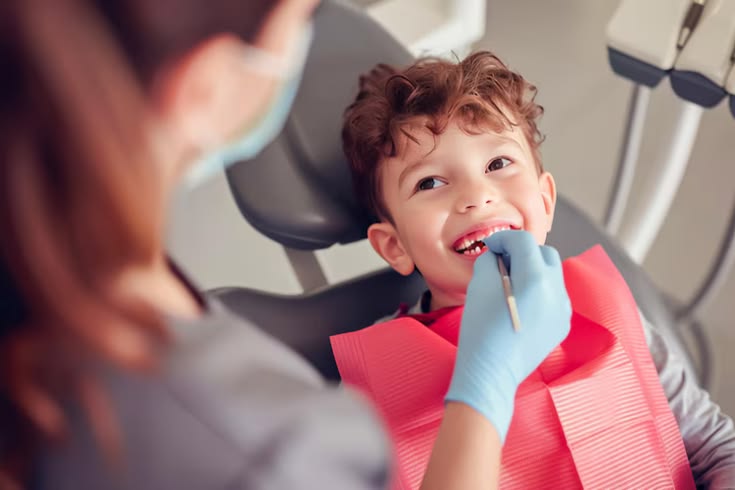
Good oral health begins in childhood, and establishing a foundation for lifelong dental care starts with early evaluation. Many parents may assume that dental visits are only necessary once children have a full set of teeth, but early dental checkups play a crucial role in preventing problems and promoting healthy habits. Understanding the importance of early dental evaluation for children helps parents ensure their child’s teeth, gums, and overall oral health are on the right track.
Why Early Dental Evaluation Matters
Early dental evaluation allows dentists to monitor a child’s oral development and detect potential issues before they become serious. Problems like cavities, misaligned teeth, or jaw growth abnormalities can be identified and addressed in their initial stages. The earlier a problem is spotted, the easier and less invasive it is to treat.
The American Academy of Pediatric Dentistry recommends that children have their first dental visit by their first birthday or within six months after the first tooth erupts. This early introduction to the dentist sets the stage for preventive care and positive dental experiences.
Preventing Tooth Decay from the Start
Tooth decay is one of the most common childhood dental problems. Babies and toddlers are particularly vulnerable because their enamel is thinner and more susceptible to acid attacks from sugary foods or prolonged bottle-feeding. Early dental evaluations allow dentists to assess risk factors for cavities and provide guidance on feeding habits, oral hygiene, and fluoride use.
Preventive measures, such as dental sealants and fluoride treatments, can protect developing teeth from decay. Addressing tooth decay early ensures that children maintain strong, healthy teeth, avoiding pain, infection, and more complex treatments later.
Monitoring Oral Development
Children’s mouths undergo significant growth and changes as they transition from primary to permanent teeth. Early dental evaluations help monitor the development of teeth and jaw alignment. Dentists can identify issues such as crowding, bite problems, or delayed tooth eruption, and provide interventions when necessary.
Timely orthodontic assessments during childhood can prevent severe alignment issues in the future, making treatment shorter, less complex, and more effective. Monitoring oral development early sets the foundation for a healthy, functional bite and a confident smile.
Establishing Healthy Habits
Early dental visits also teach children and parents about proper oral hygiene practices. Dentists can demonstrate the correct brushing and flossing techniques, suggest age-appropriate toothbrushes and toothpaste, and explain the importance of reducing sugary snacks and drinks.
Learning healthy habits early helps children take responsibility for their own dental care as they grow. Parents also gain knowledge on how to support their child’s oral health at home, reinforcing preventive behaviors that can last a lifetime.
Building Comfort and Reducing Dental Anxiety
Introducing children to the dental office early helps them become comfortable with the environment, procedures, and dental professionals. Early positive experiences reduce fear and anxiety, which are common barriers to regular dental visits.
Children who are familiar with the dental office and trust their dentist are more likely to maintain consistent checkups, ensuring ongoing preventive care and early problem detection. Building this comfort early encourages a lifetime of proactive oral health.
Detecting Other Health Issues
Early dental evaluations can also reveal signs of broader health concerns. For example, certain oral symptoms may indicate nutritional deficiencies, developmental issues, or even systemic conditions. Dentists can coordinate care with pediatricians or other healthcare professionals if an underlying issue is suspected.
By addressing these concerns early, dental evaluations contribute to overall child health, highlighting the interconnectedness of oral health and general well-being.
Preventing Costly and Invasive Treatments
Addressing dental issues early often reduces the need for extensive or invasive treatments later. Minor cavities can be treated with simple fillings, and early orthodontic interventions can prevent the need for braces or surgery in adolescence.
Investing in early dental evaluations is cost-effective in the long run, preventing expensive procedures and minimizing discomfort for the child.
Tips for Parents
To maximize the benefits of early dental evaluation, parents should:
- Schedule the first dental visit by the child’s first birthday or six months after the first tooth appears.
- Encourage regular dental checkups every six months.
- Teach proper brushing and flossing techniques from an early age.
- Limit sugary snacks and beverages that contribute to tooth decay.
- Model good oral hygiene habits to reinforce learning.
- Choose a pediatric dentist experienced in working with children to ensure a positive experience.
Your smile deserves expert care and personalized attention. With years of experience in advanced orthodontic treatments, Dr. Nizar Ishaq is dedicated to helping patients achieve healthier, more confident smiles through modern techniques and customized treatment plans. Whether you need routine dental care, smile correction, or specialized orthodontic solutions, booking a consultation directly with Dr. Nizar Ishaq ensures professional guidance and patient-focused care. Take the first step toward a healthier, brighter smile by scheduling your consultation today.