
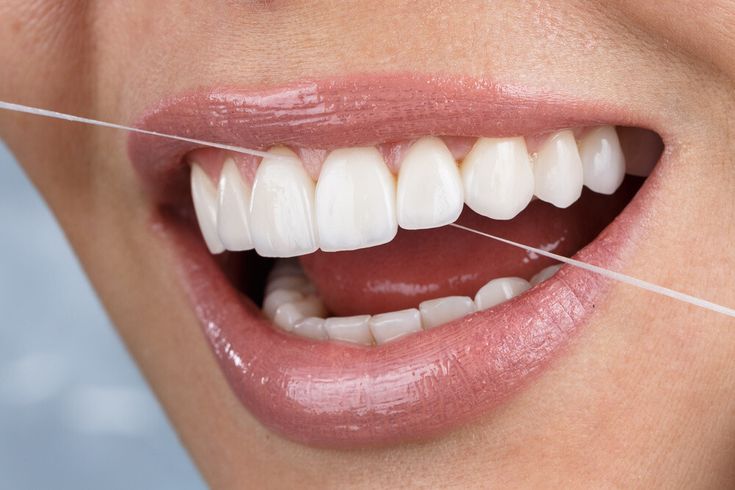
Dental hygiene is a crucial part of overall health, yet many people underestimate its significance. Proper oral care goes beyond having a bright smile—it impacts your teeth, gums, and even your general well-being. Understanding the importance of dental hygiene can help prevent oral diseases, enhance self-confidence, and contribute to long-term health.
What is Dental Hygiene?
Dental hygiene refers to the practices and routines that maintain the health of your teeth, gums, and mouth. This includes daily brushing, flossing, rinsing, and regular visits to a dentist. Good dental hygiene removes plaque, food particles, and bacteria that, if left unchecked, can cause cavities, gum disease, and other oral problems.
Maintaining proper oral hygiene is not just about aesthetics. It helps preserve the natural structure of your teeth and protects against infections that can affect other parts of the body, including the heart and immune system.
Why Dental Hygiene is Important
1. Prevents Tooth Decay and Cavities
Poor dental hygiene allows plaque—a sticky film of bacteria—to build up on teeth. These bacteria produce acids that erode enamel, causing tooth decay and cavities. Regular brushing with fluoride toothpaste and flossing helps remove plaque, keeping teeth strong and healthy.
2. Protects Against Gum Disease
Gum disease, or periodontal disease, is a major cause of tooth loss in adults. Inflammation of the gums, often due to plaque buildup, can progress to more severe conditions if untreated. Daily oral care and professional cleanings help prevent gum disease and maintain healthy gums.
3. Prevents Bad Breath
Halitosis, or bad breath, is often caused by bacteria and food particles in the mouth. Good dental hygiene, including brushing the tongue and regular flossing, helps eliminate odor-causing bacteria and keeps your breath fresh.
4. Promotes Overall Health
Oral health is closely linked to systemic health. Poor dental hygiene can increase the risk of heart disease, diabetes, respiratory infections, and complications during pregnancy. Maintaining proper oral care reduces the risk of these health issues and contributes to overall wellness.
5. Enhances Confidence and Social Well-Being
A clean, healthy smile improves self-esteem and encourages positive social interactions. People with good dental hygiene often feel more confident in both personal and professional settings.
Daily Practices for Effective Dental Hygiene
Maintaining dental hygiene requires consistent effort. Here are some essential practices:
- Brush Twice Daily: Use fluoride toothpaste and a soft-bristled toothbrush to clean all surfaces of your teeth.
- Floss Daily: Flossing removes plaque and food particles between teeth that brushing alone cannot reach.
- Use Mouthwash: Antibacterial or fluoride mouthwash helps reduce bacteria, strengthen enamel, and freshen breath.
- Clean Your Tongue: The tongue can harbor bacteria, so brushing or scraping it daily helps prevent bad breath.
- Limit Sugary Foods and Drinks: Sugar feeds bacteria that cause tooth decay, so reducing intake protects your teeth.
- Stay Hydrated: Drinking water helps rinse away food particles and maintains saliva flow, which naturally protects teeth.
The Role of Regular Dental Checkups
Even with excellent home care, professional dental care is essential. Dentists can:
- Detect cavities, gum disease, or oral cancer early.
- Provide professional cleaning to remove tartar buildup.
- Offer guidance on proper brushing, flossing, and oral care products.
- Address cosmetic concerns, such as whitening or alignment issues.
Visiting your dentist every six months ensures that potential problems are caught early, saving you from pain, discomfort, and costly treatments in the future.
Special Considerations Across Different Ages
- Children: Early oral hygiene establishes good habits, protects developing teeth, and prevents childhood cavities.
- Teens: Hormonal changes and diet choices increase the risk of gum problems; proper hygiene is crucial.
- Adults: Lifestyle factors, stress, and aging make regular dental care vital for maintaining oral health.
- Older Adults: Age-related changes, such as gum recession and dry mouth, require careful hygiene and dental supervision.
Your smile deserves expert care and personalized attention. With years of experience in advanced orthodontic treatments, Dr. Nizar Ishaq is dedicated to helping patients achieve healthier, more confident smiles through modern techniques and customized treatment plans. Whether you need routine dental care, smile correction, or specialized orthodontic solutions, booking a consultation directly with Dr. Nizar Ishaq ensures professional guidance and patient-focused care. Take the first step toward a healthier, brighter smile by scheduling your consultation today.