
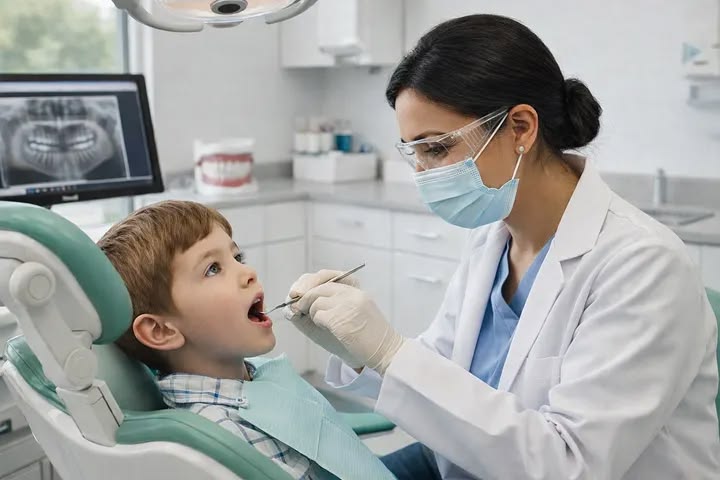
Oral health is a vital part of overall well-being, yet it is often overlooked until problems arise. Maintaining healthy teeth and gums is more than just about having a bright smile—it impacts digestion, speech, confidence, and even systemic health. Adopting consistent, healthy practices ensures that your mouth stays disease-free, preventing complex dental procedures in the future.
Why Oral Health Matters
Healthy teeth and gums allow for proper chewing, which aids in digestion and nutrient absorption. Good oral hygiene also supports clear speech and a confident smile. Neglecting oral health can lead to cavities, gum disease, bad breath, tooth loss, and increased risk of systemic health issues like diabetes and heart disease. Therefore, healthy oral practices are essential for long-term wellness.
Essential Healthy Practices
1. Brush Your Teeth Properly
Brushing is the cornerstone of oral hygiene. It is recommended to brush at least twice a day—once in the morning and once before bed—using fluoride toothpaste. Fluoride strengthens enamel, making teeth more resistant to decay. The correct brushing technique involves holding the toothbrush at a 45-degree angle to the gums, using gentle circular motions, and covering all surfaces of the teeth. Brushing too hard can damage enamel and irritate gums.
2. Floss Daily
Flossing removes plaque and food particles between teeth that brushing alone cannot reach. Daily flossing helps prevent cavities, gum inflammation, and bad breath. For those new to flossing, it may take a little practice, but incorporating it into a daily routine has long-term benefits.
3. Rinse with Mouthwash
Using an antimicrobial or fluoride mouthwash can help reduce plaque, prevent gum disease, and strengthen teeth. Mouthwash reaches areas that brushing and flossing might miss, providing an additional layer of protection for oral health.
4. Maintain a Balanced Diet
Nutrition directly impacts oral health. Sugary and acidic foods feed bacteria that cause tooth decay, while foods rich in calcium, vitamins, and fiber support strong teeth and healthy gums. Incorporate fruits, vegetables, dairy, lean proteins, and whole grains into your diet to maintain optimal oral health. Limiting sugary drinks and snacks is particularly important for preventing cavities.
5. Stay Hydrated
Drinking plenty of water helps wash away food particles and neutralizes acids in the mouth that can damage enamel. Staying hydrated also stimulates saliva production, which naturally protects teeth from decay and aids in maintaining a healthy oral environment.
6. Avoid Tobacco Products
Smoking and chewing tobacco significantly increase the risk of gum disease, tooth discoloration, oral cancer, and bad breath. Avoiding these products is one of the most effective ways to protect oral health and ensure a long-lasting smile.
7. Regular Dental Check-Ups
Routine dental visits—ideally every six months—allow for early detection and treatment of dental problems. Dentists can identify cavities, gum disease, oral infections, and other issues before they become severe. Regular professional cleanings also remove plaque and tartar buildup that cannot be eliminated through daily brushing and flossing.
8. Use Dental Products Wisely
Choosing the right toothbrush, toothpaste, and other dental products is essential. Soft-bristled toothbrushes are gentle on gums and enamel, while fluoride toothpaste strengthens teeth. Electric toothbrushes can be particularly effective in removing plaque and ensuring consistent cleaning.
9. Protect Teeth During Activities
Sports and physical activities pose a risk of dental injuries. Wearing a mouthguard during contact sports or activities with a high risk of falls can prevent chipped, cracked, or knocked-out teeth.
10. Monitor Your Oral Health
Pay attention to changes in your mouth, such as bleeding gums, persistent bad breath, tooth sensitivity, or discoloration. Early recognition of these signs allows for prompt dental intervention, preventing minor issues from turning into major problems.
The Long-Term Benefits of Healthy Oral Practices
Adopting these healthy habits not only maintains a bright smile but also contributes to overall well-being. Key long-term benefits include:
- Reduced Risk of Tooth Decay and Gum Disease: Preventive care keeps teeth and gums strong and healthy.
- Improved Digestion: Proper chewing supports nutrient absorption and digestive health.
- Enhanced Confidence and Appearance: Clean, healthy teeth boost self-esteem and social confidence.
- Lower Healthcare Costs: Preventive practices reduce the need for costly dental procedures.
- Better Overall Health: Maintaining oral health can lower the risk of systemic conditions such as heart disease and diabetes.
Your smile deserves expert care and personalized attention. With years of experience in advanced orthodontic treatments , Dr. Nizar Ishaq is dedicated to helping patients achieve healthier, more confident smiles through modern techniques and customized treatment plans. Whether you need routine dental care, smile correction, or specialized orthodontic solutions, booking a consultation directly with Dr. Nizar Ishaq ensures professional guidance and patient-focused care. Take the first step toward a healthier, brighter smile by scheduling your consultation today.