
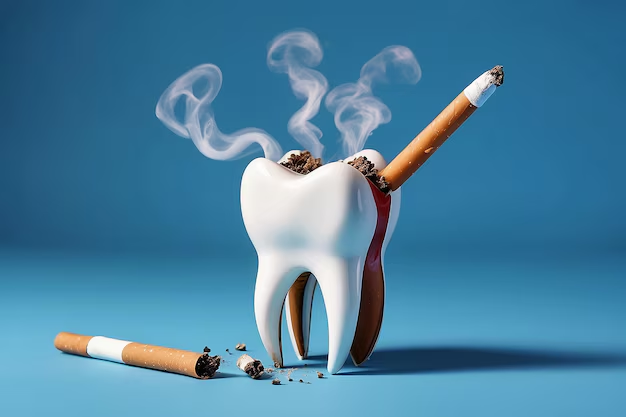
Smoking is widely known for its harmful effects on the lungs and heart, but its impact on oral health is just as serious. Understanding how smoking impacts dental health is essential for preventing long-term damage to teeth, gums, and overall oral function. From discoloration to gum disease and even oral cancer, smoking affects nearly every aspect of the mouth.
Even occasional smoking or long-term exposure to tobacco products can significantly reduce oral health quality and increase the risk of severe dental complications.
Stained and Discolored Teeth
One of the most visible effects of smoking is tooth discoloration. Nicotine and tar in tobacco products easily stick to enamel, leading to yellow, brown, or even black stains over time.
Effects include:
- Persistent yellowing of teeth
- Deep stains that are difficult to remove
- Dull and unhealthy-looking smile
Even with regular brushing, these stains often require professional cleaning or whitening treatments.
Increased Risk of Gum Disease
Smoking is one of the leading causes of gum disease. It weakens the immune system, making it harder for the body to fight infections in the gums.
Early signs include:
- Red or swollen gums
- Bleeding while brushing or flossing
- Persistent bad breath
If untreated, gum disease can progress to periodontitis, leading to:
- Gum recession
- Loose teeth
- Tooth loss
Smokers are significantly more likely to develop severe gum problems compared to non-smokers.
Delayed Healing After Dental Procedures
Smoking reduces blood flow to the gums and oral tissues, slowing down the healing process. This becomes especially problematic after dental treatments such as extractions, implants, or surgeries.
Consequences include:
- Slower recovery
- Higher risk of infection
- Poor treatment outcomes
Patients who smoke are often advised to avoid tobacco use before and after dental procedures for better healing.
Increased Risk of Tooth Decay
Smoking contributes to a higher risk of cavities and decay. It reduces saliva production, which is essential for neutralizing acids and washing away food particles.
Effects include:
- Dry mouth (xerostomia)
- Increased plaque buildup
- Higher bacterial growth
Over time, this creates an environment where tooth decay develops more easily.
Bad Breath (Halitosis)
Persistent bad breath is a common problem among smokers. Tobacco leaves behind strong odors and also encourages bacterial growth in the mouth.
Causes include:
- Tobacco residue in the mouth
- Dry mouth condition
- Gum infections
Even regular brushing may not completely eliminate smoking-related bad breath.
Tooth Loss
Long-term smoking significantly increases the risk of tooth loss. This is mainly due to severe gum disease and bone deterioration.
How it happens:
- Smoking weakens gum tissue
- Infection spreads to supporting bone
- Teeth become loose and eventually fall out
Tooth loss can affect chewing ability, speech, and facial appearance.
Reduced Taste and Smell
Smoking damages taste buds and affects the sense of smell. This can reduce the enjoyment of food and overall quality of life.
Effects include:
- Diminished taste sensitivity
- Reduced ability to detect flavors
- Altered eating habits
This impact is often gradual but becomes noticeable over time.
Increased Risk of Oral Cancer
One of the most serious effects of smoking on dental health is the increased risk of oral cancer. Tobacco contains harmful chemicals that damage oral tissues and DNA.
Warning signs may include:
- Persistent mouth sores
- Lumps or thickened areas in the mouth
- Difficulty chewing or swallowing
- Unexplained bleeding
Early detection is crucial for successful treatment.
Slower Response to Dental Treatments
Smokers often experience reduced effectiveness of dental treatments. This is due to compromised blood flow and weakened immune response.
Treatment challenges include:
- Reduced success of dental implants
- Increased risk of infection after procedures
- Less predictable healing outcomes
Dentists may recommend quitting smoking to improve treatment success.
Gum Recession and Aesthetic Changes
Smoking affects the structure of the gums, causing them to recede over time. This exposes tooth roots and increases sensitivity.
Visible effects:
- Longer-looking teeth
- Uneven gum lines
- Increased tooth sensitivity
These changes also affect the appearance of the smile.
How to Reduce the Damage
While quitting smoking is the most effective solution, there are steps to reduce its impact on dental health:
1. Improve Oral Hygiene
- Brush twice daily with fluoride toothpaste
- Floss regularly
- Use antibacterial mouthwash
2. Stay Hydrated
- Drink plenty of water to combat dry mouth
3. Regular Dental Visits
- Schedule cleanings and check-ups every 6 months
4. Professional Cleanings
- Remove deep stains and tartar buildup
These steps help manage damage but do not replace the benefits of quitting smoking.
Benefits of Quitting Smoking for Oral Health
Quitting smoking leads to immediate and long-term improvements in dental health.
Positive changes include:
- Healthier gums
- Fresher breath
- Reduced risk of gum disease
- Improved healing after treatments
- Lower risk of oral cancer
Even after years of smoking, quitting can significantly improve oral health outcomes.
Your smile deserves expert care and personalized attention. With years of experience in advanced orthodontic treatments,Dr. Nizar Ishaq is dedicated to helping patients achieve healthier, more confident smiles through modern techniques and customized treatment plans. Whether you need routine dental care, smile correction, or specialized orthodontic solutions, booking a consultation directly with Dr. Nizar Ishaq ensures professional guidance and patient-focused care. Take the first step toward a healthier, brighter smile by scheduling your consultation today.