
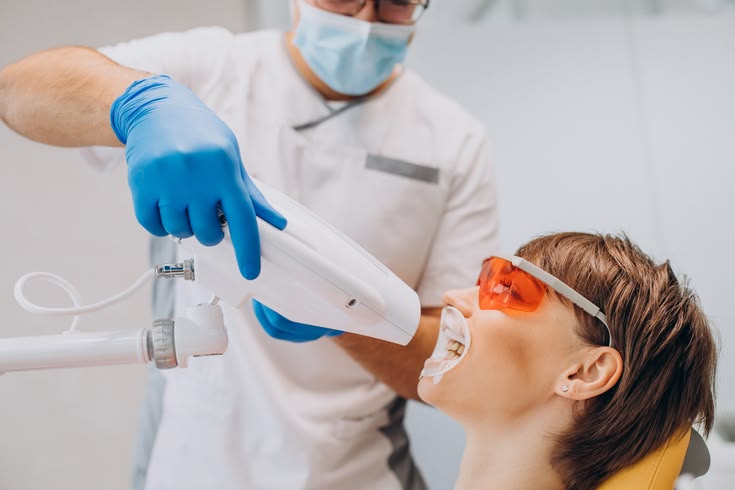
Maintaining oral health is not only about achieving a bright smile for a short period of time. Consistent dental care practiced over many years plays a significant role in protecting teeth, gums, and overall health. Long-term oral care involves regular brushing, flossing, preventive dental visits, healthy eating habits, and lifestyle choices that support strong oral hygiene throughout life.
Many people underestimate the importance of maintaining a consistent oral care routine until serious dental problems appear. However, long-term oral care can help prevent painful conditions, reduce treatment costs, and improve overall quality of life. Healthy teeth and gums contribute to confidence, comfort, and better general wellness at every stage of life.
Understanding Long-Term Oral Care
Long-term oral care refers to maintaining healthy dental habits consistently over an extended period. It is not limited to temporary routines or occasional dental visits. Instead, it focuses on lifelong oral hygiene practices that protect the mouth from disease and damage.
A strong oral care routine typically includes:
- Brushing teeth twice daily
- Flossing regularly
- Using fluoride toothpaste
- Drinking enough water
- Eating a balanced diet
- Attending routine dental checkups
- Avoiding harmful habits like smoking
When these habits are maintained consistently, they can provide lasting oral and overall health benefits.
Helps Prevent Tooth Decay
One of the most important benefits of long-term oral care is the prevention of tooth decay. Cavities develop when plaque bacteria produce acids that weaken tooth enamel.
Consistent brushing and flossing help remove plaque before it causes damage. Preventive dental care also allows early detection of minor issues before they become severe.
People who practice good oral hygiene over the years are less likely to experience extensive tooth decay or require complex restorative procedures.
Supports Healthy Gums
Healthy gums are essential for maintaining strong teeth. Poor oral hygiene can lead to gum inflammation, bleeding, and eventually periodontal disease.
Long-term oral care helps reduce plaque buildup along the gumline, lowering the risk of gum infections and tissue damage. Healthy gums provide stability and support for teeth throughout life.
Maintaining gum health is especially important because advanced gum disease can contribute to tooth loss and may also affect overall health.
Reduces the Risk of Tooth Loss
Tooth loss often results from untreated cavities, gum disease, or poor oral hygiene habits over time. Losing teeth can affect chewing ability, speech, facial appearance, and confidence.
Long-term oral care greatly reduces the risk of tooth loss by protecting teeth and supporting gum health. Preventive routines help preserve natural teeth for many years, reducing the need for replacements or restorative procedures.
Keeping natural teeth healthy contributes to better oral function and improved comfort.
Promotes Fresh Breath
Persistent bad breath is commonly linked to poor oral hygiene and bacterial buildup. Food particles, plaque, and gum disease can all contribute to unpleasant mouth odor.
Consistent brushing, flossing, and tongue cleaning help maintain fresh breath by reducing bacteria in the mouth. Long-term oral care encourages cleaner oral tissues and better overall hygiene.
Fresh breath can improve confidence and make social interactions more comfortable.
Protects Overall Health
Oral health is closely connected to general health. Infections and inflammation in the mouth may influence other areas of the body if left untreated.
Research has shown links between poor oral health and conditions such as:
- Heart disease
- Diabetes
- Respiratory infections
- Chronic inflammation
Long-term oral care may help reduce the risk of complications associated with these conditions by supporting healthier gums and reducing harmful bacteria.
Maintaining oral hygiene should be considered an important part of overall healthcare.
Saves Money Over Time
Preventive dental care is often much less expensive than treating advanced dental problems. Neglecting oral hygiene can lead to costly procedures such as root canals, gum treatments, crowns, or tooth replacements.
Long-term oral care helps identify problems early and reduces the likelihood of major complications. Routine cleanings and preventive treatments are generally more affordable than emergency or restorative care.
Investing time in daily oral hygiene can lead to significant financial savings in the future.
Improves Appearance and Confidence
Healthy teeth and gums contribute greatly to personal appearance and self-esteem. Clean, well-maintained teeth often create a positive impression and increase confidence during conversations and social interactions.
Long-term oral care helps maintain:
- Cleaner teeth
- Healthier gums
- Reduced staining
- Better smile appearance
- Fresher breath
People who prioritize oral hygiene often feel more confident in both personal and professional settings.
Encourages Healthy Lifestyle Habits
Individuals who practice long-term oral care are often more aware of their overall health habits. Oral hygiene routines may encourage healthier decisions related to nutrition, hydration, smoking, and alcohol consumption.
A balanced lifestyle supports stronger teeth and healthier gums while reducing the risk of oral diseases.
Good oral care habits can also positively influence family members and children by promoting healthy routines within the household.
Supports Better Nutrition
Healthy teeth make chewing easier and more comfortable. Oral pain, missing teeth, or gum disease may limit food choices and affect nutritional intake.
Long-term oral care helps preserve chewing function, allowing individuals to enjoy a wider variety of healthy foods such as fruits, vegetables, nuts, and proteins.
Proper nutrition further supports strong teeth and gum tissues, creating a positive cycle of overall health.
Reduces Dental Anxiety
People who maintain regular dental visits and preventive care often feel less anxious about dental treatment. Familiarity with routine checkups can make dental appointments more comfortable and less stressful.
Long-term oral care helps prevent severe dental emergencies that may require more invasive procedures. Preventive dentistry promotes confidence and encourages positive dental experiences.
Supports Healthy Aging
As people age, maintaining oral health becomes increasingly important. Aging can increase the risk of dry mouth, gum recession, enamel wear, and tooth sensitivity.
Long-term oral care helps protect oral tissues and preserve natural teeth well into later years. Healthy teeth improve speech, nutrition, and overall quality of life for older adults.
Strong oral hygiene habits established early in life can provide lasting benefits during the aging process.
Encourages Early Detection of Problems
Routine oral care and regular dental examinations help identify issues before they become serious. Early detection allows timely treatment and may prevent more complicated procedures.
Dental professionals can identify concerns such as:
- Cavities
- Gum disease
- Oral infections
- Enamel erosion
- Bite problems
- Oral tissue abnormalities
Addressing these issues early improves treatment outcomes and helps preserve long-term oral health.
Your smile deserves expert care and personalized attention. With years of experience in advanced orthodontic treatments ,Dr. Nizar Ishaq is dedicated to helping patients achieve healthier, more confident smiles through modern techniques and customized treatment plans. Whether you need routine dental care, smile correction, or specialized orthodontic solutions, booking a consultation directly with Dr. Nizar Ishaq ensures professional guidance and patient-focused care. Take the first step toward a healthier, brighter smile by scheduling your consultation today.