
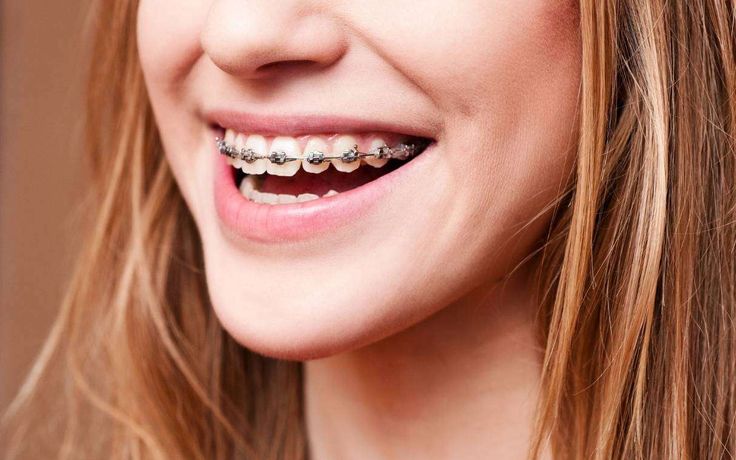
Oral health involves much more than brushing and flossing. Proper tooth alignment, jaw positioning, and bite function all play important roles in maintaining a healthy mouth. Orthodontists contribute significantly to oral health by diagnosing, preventing, and correcting alignment issues that affect teeth and jaws. Their work not only improves the appearance of smiles but also supports long-term dental function and overall oral wellness.
Many people associate orthodontic treatment only with cosmetic improvements, but orthodontics offers important health benefits as well. Misaligned teeth and bite problems can increase the risk of oral hygiene difficulties, gum disease, tooth wear, and jaw discomfort. Orthodontists help manage these concerns through specialized treatments designed to improve alignment and oral function.
Understanding Orthodontics
Orthodontics is a specialized field of dentistry focused on correcting irregularities involving the teeth, jaws, and bite. Orthodontists receive advanced training to diagnose alignment problems and create treatment plans that improve both appearance and functionality.
Orthodontic care may address issues such as:
- Crooked teeth
- Crowded teeth
- Gaps between teeth
- Overbites
- Underbites
- Crossbites
- Jaw misalignment
Treatments are designed to gradually move teeth into healthier positions while supporting proper bite function and oral balance.
Improving Teeth Alignment
One of the primary roles of orthodontists in oral health is improving dental alignment. Properly aligned teeth are generally easier to clean and maintain than crowded or overlapping teeth.
When teeth are crooked or tightly crowded, plaque and food particles can collect in hard-to-reach areas. This may increase the risk of:
- Cavities
- Gum disease
- Bad breath
- Plaque buildup
Orthodontic treatment helps create better spacing and alignment, making daily brushing and flossing more effective.
Supporting Better Oral Hygiene
Straight teeth are often easier to maintain through regular oral hygiene routines. Orthodontists help improve oral health by reducing areas where bacteria and plaque can accumulate.
Better alignment allows individuals to clean their teeth more thoroughly, which may lower the risk of long-term dental problems. Improved oral hygiene can contribute to healthier gums and stronger teeth over time.
Orthodontic treatment supports preventive dental care and encourages better long-term oral habits.
Correcting Bite Problems
Bite alignment is essential for proper chewing, speaking, and jaw function. Orthodontists help correct bite irregularities that may interfere with daily activities and oral comfort.
Common bite problems include:
- Overbite
- Underbite
- Open bite
- Crossbite
If left untreated, bite problems may contribute to uneven tooth wear, jaw strain, headaches, or difficulty chewing.
Orthodontic treatment helps improve bite balance and reduces unnecessary pressure on teeth and jaw joints.
Reducing the Risk of Tooth Damage
Misaligned teeth may experience uneven pressure during chewing and biting. Over time, this can lead to enamel wear, fractures, and tooth sensitivity.
Orthodontists help distribute bite forces more evenly by improving tooth positioning and jaw alignment. Proper alignment may reduce excessive stress on certain teeth and help protect enamel from unnecessary wear.
Correcting alignment problems early can support stronger and healthier teeth in the future.
Supporting Gum Health
Crowded or improperly spaced teeth can make gum care more challenging. Plaque buildup around misaligned teeth may increase the risk of gum inflammation and periodontal disease.
Orthodontic treatment can improve gum health by creating better spacing and allowing easier access for brushing and flossing. Healthier gums provide stronger support for teeth and contribute to long-term oral stability.
Maintaining proper alignment supports both dental and periodontal wellness.
Improving Speech and Chewing Function
Certain orthodontic issues may affect speech clarity and chewing efficiency. Misaligned teeth or jaw irregularities can interfere with proper tongue movement and bite function.
Orthodontists help improve oral function by correcting alignment issues that impact speech and chewing. Better bite alignment often leads to improved comfort during eating and clearer pronunciation.
Functional improvements are an important part of orthodontic care beyond cosmetic appearance.
Preventing Future Dental Complications
Orthodontists play an important preventive role in oral healthcare. Correcting alignment and bite issues early may reduce the risk of more serious dental complications later in life.
Untreated orthodontic problems may contribute to:
- Excessive tooth wear
- Gum recession
- Jaw pain
- Tooth fractures
- Difficulty cleaning teeth
- Increased cavity risk
Preventive orthodontic care can help maintain healthier oral structures and reduce the likelihood of future treatments.
Boosting Confidence and Smile Appearance
A healthy smile often contributes to self-confidence and emotional well-being. Many people feel more comfortable smiling and speaking after improving dental alignment.
Orthodontists help enhance smile aesthetics by correcting visible alignment concerns. While cosmetic improvement is not the only goal of orthodontic treatment, it can positively influence social confidence and self-esteem.
Improved appearance may also encourage individuals to maintain stronger oral hygiene habits.
Orthodontic Care for Children and Teenagers
Early orthodontic evaluation is important for monitoring jaw development and tooth eruption patterns. Orthodontists can identify potential issues during childhood and recommend treatment when appropriate.
Orthodontic care during growth stages may help guide jaw development and reduce the severity of future alignment problems.
Children and teenagers often benefit from early intervention for concerns such as:
- Crowding
- Bite irregularities
- Jaw growth imbalance
- Spacing issues
Monitoring dental development supports healthier long-term oral outcomes.
Adult Orthodontic Treatment
Orthodontic treatment is not limited to children or teenagers. Many adults seek orthodontic care to improve oral health, bite function, and smile appearance.
Modern orthodontic options provide more discreet treatment choices that fit adult lifestyles and professional environments.
Adult orthodontic care may help address long-standing alignment issues while supporting healthier teeth and gums.
The Importance of Retention After Treatment
Orthodontists also play a role in maintaining treatment results after active care is completed. Teeth naturally shift over time, making retention an important part of long-term stability.
Retainers help preserve alignment and protect treatment outcomes. Following retention instructions supports long-term oral health and helps maintain the benefits achieved through orthodontic treatment.
Consistency with retention contributes to lasting results.
Encouraging Long-Term Oral Wellness
Orthodontists contribute to overall oral wellness by improving alignment, supporting hygiene, enhancing function, and reducing future dental risks.
Properly aligned teeth are easier to maintain and often experience less stress during daily function. Orthodontic care supports healthier smiles while helping individuals maintain better oral hygiene practices for life.
Orthodontic treatment is both a functional and preventive investment in long-term dental health.
Your smile deserves expert care and personalized attention. With years of experience in advanced orthodontic treatments,Dr. Nizar Ishaq is dedicated to helping patients achieve healthier, more confident smiles through modern techniques and customized treatment plans. Whether you need routine dental care, smile correction, or specialized orthodontic solutions, booking a consultation directly with Dr. Nizar Ishaq ensures professional guidance and patient-focused care. Take the first step toward a healthier, brighter smile by scheduling your consultation today.