
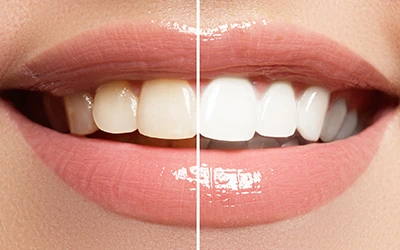
A bright smile is often associated with good health and confidence, but stained or discolored teeth are a common concern for many people. Tooth discoloration can happen gradually due to lifestyle habits, aging, or underlying dental issues. The good news is that there are several effective ways to restore a cleaner, brighter smile.
Understanding how to treat stained or discolored teeth helps you choose the right care approach, whether through home remedies, professional treatments, or preventive habits.
Why Teeth Become Stained or Discolored
Tooth discoloration can be classified into two main types: extrinsic stains (surface-level) and intrinsic stains (deeper within the tooth).
Common causes include:
- Drinking tea, coffee, or red wine
- Smoking or tobacco use
- Poor oral hygiene habits
- Aging and enamel thinning
- Certain medications
- Excess fluoride exposure in childhood
- Trauma or injury to teeth
Identifying the cause helps determine the most effective treatment.
Improve Daily Oral Hygiene
One of the simplest ways to treat and prevent stains is by maintaining strong oral hygiene habits. Consistent care helps remove surface stains before they become permanent.
Effective habits include:
- Brushing twice daily with fluoride toothpaste
- Using a soft-bristled toothbrush
- Flossing once a day
- Rinsing with an antibacterial mouthwash
Pay extra attention to areas where plaque tends to build up, especially near the gum line.
Try Whitening Toothpaste and Products
Whitening toothpaste can help reduce mild surface stains over time. These products contain gentle abrasives or polishing agents that clean the enamel.
You can also consider:
- Whitening mouth rinses
- Over-the-counter whitening strips
- Dental-approved whitening gels
While these options are helpful for light discoloration, they may not be effective for deeper stains.
Professional Dental Cleaning
A professional cleaning is often the first step in treating stained teeth. Dental hygienists use special tools to remove plaque, tartar, and surface stains that cannot be removed by brushing alone.
Benefits include:
- Immediate improvement in brightness
- Removal of stubborn plaque buildup
- Healthier gums
- Fresher breath
Regular cleanings every six months help maintain long-term results.
In-Office Teeth Whitening Treatments
For more noticeable discoloration, professional whitening treatments offer faster and more dramatic results. Dentists use stronger whitening agents that safely lighten enamel color.
Common methods include:
- Laser whitening
- Gel-based whitening systems
- Custom tray whitening treatments
These procedures are carefully monitored to minimize sensitivity while achieving effective results.
At-Home Whitening Kits from Dentists
Dentist-prescribed whitening kits are another safe and effective option. These kits include custom-made trays and professional-grade whitening gel.
Advantages include:
- Gradual whitening at home
- Even results due to custom trays
- Lower risk of gum irritation
- Convenient usage schedule
This option is ideal for people who prefer controlled whitening over time.
Natural Remedies (Use with Caution)
Some people explore natural methods to reduce stains, but they should be used carefully to avoid enamel damage.
Common options include:
- Baking soda (mild abrasive effect)
- Oil pulling with coconut oil
- Eating crunchy fruits like apples for surface cleaning
However, these methods are not as effective as professional treatments and should not replace dental care.
Address Underlying Dental Issues
Sometimes discoloration is linked to deeper dental problems such as enamel erosion, cavities, or trauma. In such cases, simple whitening may not be enough.
Treatment options may include:
- Dental bonding for localized stains
- Veneers for severe discoloration
- Restorative dental treatments if damage is present
A dental evaluation helps identify the best solution for long-term improvement.
Prevent Future Staining
Prevention is key to maintaining a bright smile after treatment. Small lifestyle changes can make a big difference.
Helpful tips include:
- Limit coffee, tea, and soda intake
- Drink water after consuming staining foods
- Quit smoking or tobacco use
- Use a straw for dark beverages
- Maintain regular dental checkups
These habits help prevent stains from returning.
Eat Teeth-Friendly Foods
Your diet plays an important role in oral health and tooth color. Certain foods naturally help clean teeth or strengthen enamel.
Good choices include:
- Apples and pears
- Carrots and celery
- Cheese and dairy products
- Leafy green vegetables
- Nuts (in moderation)
These foods help stimulate saliva production and reduce plaque buildup.
When to See a Dentist
If discoloration does not improve with basic care, it is important to consult a dentist. Persistent stains may indicate deeper issues that require professional treatment.
You should seek help if:
- Stains appear dark or uneven
- Teeth look gray, brown, or yellow despite brushing
- Sensitivity increases over time
- Discoloration is sudden or localized
Early diagnosis ensures better and safer treatment outcomes.
Your smile deserves expert care and personalized attention. With years of experience in advanced orthodontic treatments, Dr. Nizar Ishaq is dedicated to helping patients achieve healthier, more confident smiles through modern techniques and customized treatment plans. Whether you need routine dental care, smile correction, or specialized orthodontic solutions, booking a consultation directly with Dr. Nizar Ishaq ensures professional guidance and patient-focused care. Take the first step toward a healthier, brighter smile by scheduling your consultation today.