
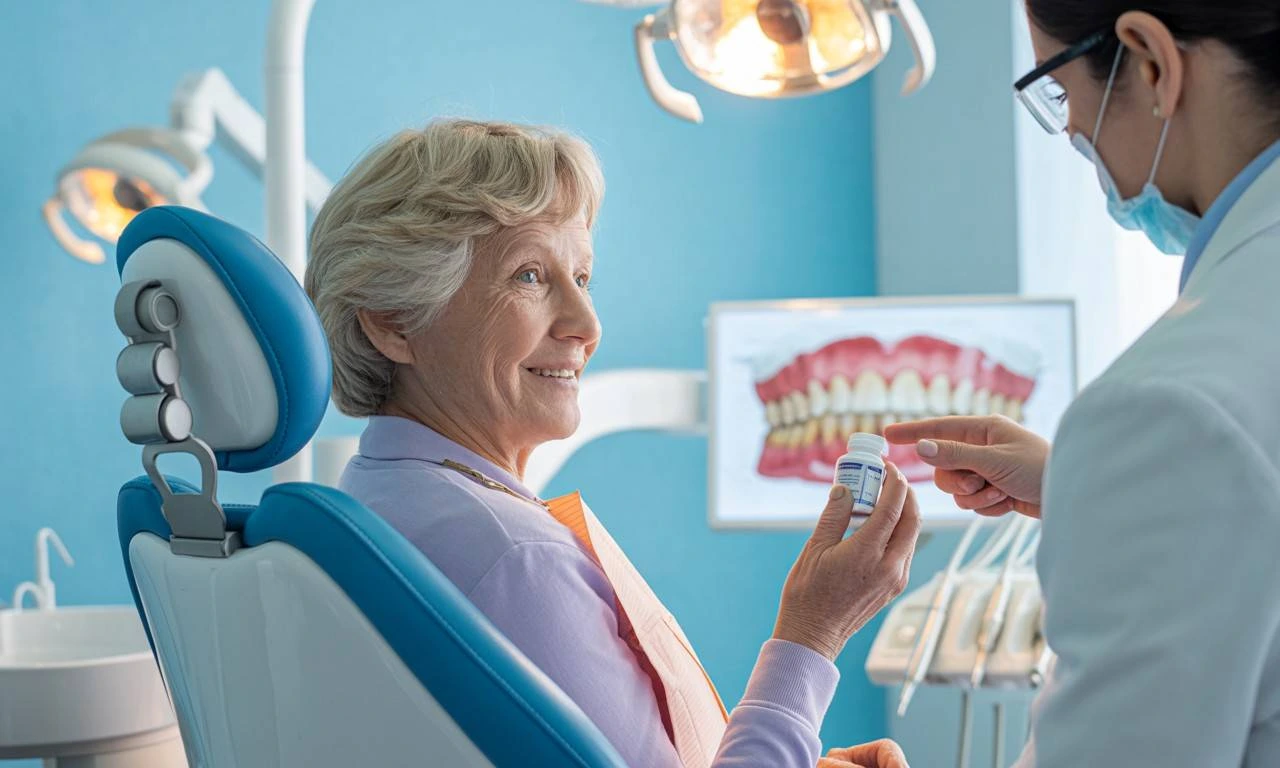
Medications play a vital role in treating many health conditions, but they can also have side effects that impact oral health. From dry mouth to gum changes, many common prescriptions and over-the-counter drugs influence the way your mouth feels and functions.
Understanding how certain medications affect your mouth helps you recognize symptoms early and take steps to protect your teeth and gums while continuing necessary treatments.
Why Medications Impact Oral Health
Many medications interact with saliva production, gum tissues, or the natural balance of bacteria in the mouth. Since saliva is essential for cleaning teeth and neutralizing acids, any reduction or change in its flow can affect oral health significantly.
Some medications may also directly influence gum tissue growth or alter taste perception, leading to discomfort or changes in eating habits.
Dry Mouth (Xerostomia)
One of the most common side effects of medications is dry mouth, also known as xerostomia. It occurs when saliva production decreases, leaving the mouth feeling dry, sticky, or uncomfortable.
Medications that may cause dry mouth include:
- Antihistamines (for allergies)
- Antidepressants
- Blood pressure medications
- Diuretics
- Pain relievers
Effects of dry mouth include:
- Difficulty chewing and swallowing
- Bad breath
- Increased risk of cavities
- Sore or cracked lips
- Burning sensation in the mouth
Without enough saliva, bacteria can build up more easily, increasing the risk of tooth decay and gum disease.
Changes in Taste
Some medications can alter the way food tastes. This condition, known as dysgeusia, may cause a metallic, bitter, or reduced sense of taste.
Common causes include:
- Antibiotics
- Blood pressure medications
- Chemotherapy drugs
- Antifungal medications
These changes may reduce appetite or lead to poor nutrition if food becomes less enjoyable.
Gum Swelling and Overgrowth
Certain medications can affect gum tissue, causing it to become swollen or enlarged. This condition is known as drug-induced gingival overgrowth.
Medications linked to this issue include:
- Some anti-seizure drugs
- Calcium channel blockers (for heart conditions)
- Immunosuppressants
Symptoms include:
- Puffy or enlarged gums
- Bleeding while brushing
- Difficulty cleaning between teeth
- Increased risk of plaque buildup
Good oral hygiene and regular dental visits can help manage this condition.
Increased Risk of Tooth Decay
Medications that reduce saliva or change its composition can increase the risk of cavities. Saliva normally helps wash away food particles and neutralize acids, so reduced saliva allows bacteria to thrive.
This can lead to:
- More frequent cavities
- Enamel erosion
- Tooth sensitivity
- Higher plaque buildup
Patients on long-term medication should pay extra attention to oral hygiene.
Oral Infections and Ulcers
Some medications can weaken the immune response or irritate oral tissues, making the mouth more vulnerable to infections or ulcers.
Possible issues include:
- Fungal infections like oral thrush
- Mouth sores or ulcers
- Burning sensations in the tongue or cheeks
These conditions can cause discomfort and may require medical or dental treatment.
Bleeding Gums and Sensitivity
Certain medications, especially blood thinners, can increase the likelihood of gum bleeding during brushing or flossing.
You may notice:
- Easy gum bleeding
- Increased sensitivity
- Longer healing time after minor injuries
While this does not always indicate poor oral health, it should be monitored closely.
How to Protect Your Mouth While on Medication
Even if medications affect oral health, there are several ways to reduce side effects and maintain a healthy mouth.
1. Stay Hydrated
Drinking plenty of water helps combat dry mouth and supports saliva production.
2. Maintain Strong Oral Hygiene
Brush twice daily, floss regularly, and use fluoride toothpaste to reduce cavity risk.
3. Use Saliva Substitutes
For dry mouth, saliva-enhancing sprays or sugar-free chewing gum can help stimulate natural saliva flow.
4. Avoid Sugary Foods and Drinks
Sugar increases the risk of cavities, especially when saliva levels are low.
5. Visit Your Dentist Regularly
Routine checkups help detect early signs of medication-related oral issues.
6. Inform Your Dentist About Medications
Always share your medical history so your dentist can tailor preventive care accordingly.
When to Seek Professional Help
If you notice persistent changes in your mouth after starting a new medication, it’s important to seek dental or medical advice.
Watch for:
- Severe dry mouth lasting weeks
- Painful gum swelling
- Persistent bad breath
- Mouth sores that do not heal
- Difficulty eating or speaking
Early intervention helps prevent more serious complications.
Your smile deserves expert care and personalized attention. With years of experience in advanced orthodontic treatments, Dr. Nizar Ishaq is dedicated to helping patients achieve healthier, more confident smiles through modern techniques and customized treatment plans. Whether you need routine dental care, smile correction, or specialized orthodontic solutions, booking a consultation directly with Dr. Nizar Ishaq ensures professional guidance and patient-focused care. Take the first step toward a healthier, brighter smile by scheduling your consultation today.