
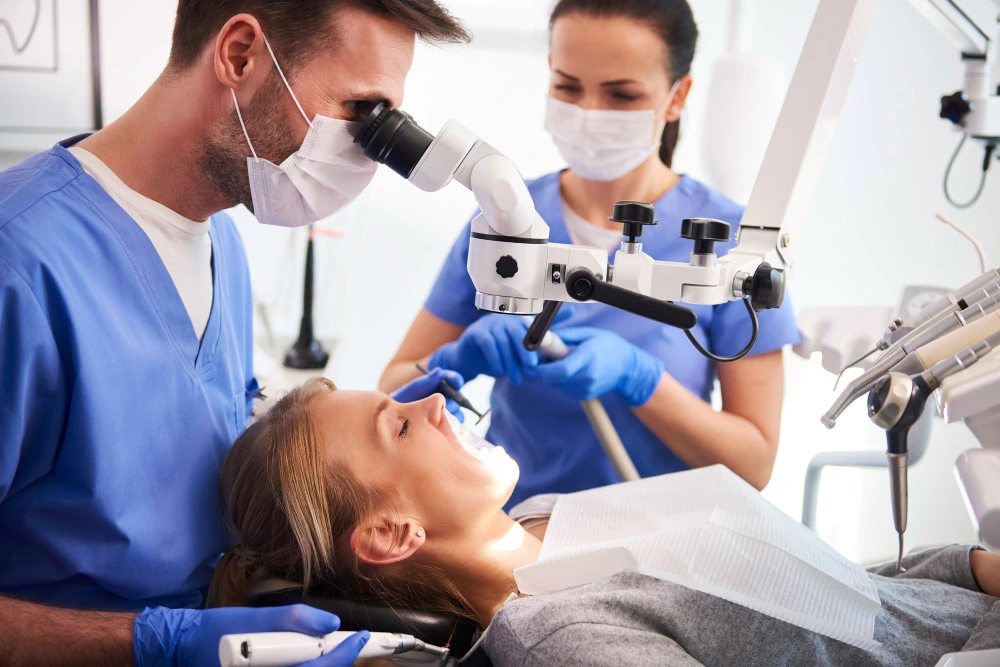
Restorative dentistry has evolved significantly over the past few decades, offering patients more effective, comfortable, and natural-looking solutions for repairing damaged or missing teeth. Thanks to advancements in dental technology, materials, and treatment techniques, modern restorative dentistry can restore both the function and appearance of teeth with greater precision than ever before.
Understanding modern advances in restorative dentistry can help patients appreciate the innovative options available for improving oral health, preserving natural teeth, and achieving long-lasting dental results.
What Is Restorative Dentistry?
Restorative dentistry focuses on diagnosing, treating, and managing dental conditions that affect the structure, function, and appearance of teeth. The goal is to restore oral health, improve chewing ability, and maintain a healthy smile.
Common restorative treatments include:
- Dental fillings
- Crowns
- Bridges
- Dental implants
- Dentures
- Inlays and onlays
Modern advancements have made these treatments more durable, efficient, and aesthetically pleasing.
Why Restorative Dentistry Is Important
Damaged or missing teeth can affect more than appearance. They may lead to:
- Difficulty chewing
- Speech problems
- Tooth shifting
- Jawbone loss
- Reduced confidence
- Oral health complications
Restorative dentistry helps rebuild oral function and supports long-term dental health.
1. Digital Dentistry and Advanced Imaging
One of the most significant advances in restorative dentistry is the use of digital technology.
Digital tools provide:
- Highly accurate diagnostics
- Detailed treatment planning
- Improved patient communication
- Enhanced precision
Modern imaging systems allow dentists to view teeth, bone structures, and surrounding tissues in greater detail, leading to more accurate treatment decisions.
2. Computer-Aided Design and Manufacturing (CAD/CAM)
CAD/CAM technology has transformed the way dental restorations are created.
Benefits include:
- Precise restorations
- Faster treatment times
- Improved fit and comfort
- High-quality results
Dentists can design and fabricate crowns, veneers, and other restorations with exceptional accuracy.
3. Tooth-Colored Restorations
Traditional metal restorations have largely been replaced by more natural-looking alternatives.
Modern restorative materials include:
- Composite resin
- Ceramic
- Porcelain
These materials offer:
- Improved aesthetics
- Better color matching
- Strong durability
- Natural appearance
Patients can often restore damaged teeth without compromising their smile’s appearance.
4. Improved Dental Implant Technology
Dental implants are considered one of the most advanced solutions for replacing missing teeth.
Recent advancements have improved:
- Implant design
- Surgical precision
- Healing times
- Long-term success rates
Modern implants provide excellent stability and closely mimic the function of natural tooth roots.
5. 3D Printing in Dentistry
3D printing technology is increasingly being used in restorative dental procedures.
Applications include:
- Surgical guides
- Dental models
- Temporary restorations
- Denture fabrication
This technology helps improve efficiency, accuracy, and customization during treatment.
6. Minimally Invasive Treatment Techniques
Modern dentistry emphasizes preserving as much natural tooth structure as possible.
Minimally invasive approaches may involve:
- Smaller restorations
- Conservative cavity preparation
- Early intervention
Benefits include:
- Reduced discomfort
- Faster recovery
- Preservation of healthy tooth structure
These techniques support long-term oral health.
7. Advanced Dental Materials
New restorative materials are stronger and more durable than ever before.
Modern materials provide:
- Improved strength
- Better wear resistance
- Enhanced aesthetics
- Longer lifespan
These innovations help restorations withstand daily chewing forces while maintaining a natural appearance.
8. Better Bonding Technologies
Dental bonding techniques have improved significantly in recent years.
Advanced bonding systems help:
- Strengthen restorations
- Improve durability
- Enhance restoration longevity
- Create seamless results
Strong bonding contributes to successful restorative outcomes.
9. Enhanced Patient Comfort
Technological advancements have made restorative procedures more comfortable for patients.
Examples include:
- Improved anesthesia techniques
- Digital impressions
- Faster treatment workflows
- Reduced chair time
Patient-centered care continues to be a major focus of modern dentistry.
10. Digital Impressions
Traditional dental impressions can sometimes be uncomfortable for patients.
Digital impression systems offer:
- Greater comfort
- Improved accuracy
- Faster processing
- Better patient experience
These systems create highly detailed digital models without the need for conventional impression materials.
11. Improved Denture Technology
Modern dentures are more comfortable, stable, and natural-looking than previous generations.
Advancements include:
- Better fit
- Improved materials
- Enhanced aesthetics
- Greater durability
These improvements help patients enjoy better function and confidence.
12. Personalized Treatment Planning
Modern restorative dentistry focuses on individualized care.
Dentists can now create treatment plans based on:
- Oral health needs
- Facial structure
- Functional requirements
- Aesthetic goals
Personalized treatment contributes to more predictable and satisfying outcomes.
Benefits of Modern Restorative Dentistry
Today’s advanced techniques offer numerous advantages:
- Improved oral function
- Natural-looking results
- Enhanced comfort
- Greater durability
- Faster treatment times
- Better long-term outcomes
Patients can achieve healthier smiles with less inconvenience than ever before.
Who Can Benefit from Restorative Dentistry?
Restorative dentistry may benefit individuals who have:
- Cavities
- Cracked teeth
- Worn teeth
- Missing teeth
- Damaged restorations
- Functional dental problems
A comprehensive dental evaluation can determine the most appropriate treatment options.
The Future of Restorative Dentistry
The future of restorative dentistry continues to be shaped by innovation.
Emerging developments may include:
- Artificial intelligence-assisted diagnostics
- Advanced biomaterials
- Regenerative dental therapies
- Improved digital workflows
These advancements aim to further improve patient outcomes and treatment efficiency.
Your smile deserves expert care and personalized attention. With years of experience in advanced orthodontic treatments, Dr. Nizar Ishaq is dedicated to helping patients achieve healthier, more confident smiles through modern techniques and customized treatment plans. Whether you need routine dental care, smile correction, or specialized orthodontic solutions, booking a consultation directly with Dr. Nizar Ishaq ensures professional guidance and patient-focused care. Take the first step toward a healthier, brighter smile by scheduling your consultation today.