
Tooth decay is one of the most widespread oral health problems affecting both children and adults worldwide. It happens when bacteria in the mouth feed on sugars from food and produce acids that slowly erode the protective enamel layer of the teeth. Over time, this leads to cavities, sensitivity, pain, and in severe cases, tooth loss. The good news is that tooth decay is highly preventable with the right oral hygiene habits and lifestyle choices.
How to Protect Your Teeth from Decay is not just about brushing—it involves a complete approach that includes diet control, proper dental care routines, hydration, and regular professional check-ups. By understanding how decay develops and how it can be stopped early, individuals can maintain strong, healthy teeth throughout life.
Understanding How Tooth Decay Develops
Tooth decay begins when plaque builds up on the surface of teeth. Plaque is a sticky film made of bacteria, food particles, and saliva. When you consume sugary or carbohydrate-rich foods, bacteria in plaque produce acids. These acids attack the enamel, which is the hard outer layer of the tooth.
If not removed through proper cleaning, this process continues and creates small holes known as cavities. If untreated, decay can reach deeper layers of the tooth, causing infection and severe pain.
Common causes include frequent sugar intake, poor brushing habits, lack of fluoride exposure, dry mouth, and irregular dental visits.
Importance of Daily Oral Hygiene
Maintaining good oral hygiene is the foundation of preventing tooth decay. Without proper cleaning, bacteria and plaque accumulate quickly.
Brushing your teeth at least twice a day is essential. It helps remove food particles and bacteria before they cause damage. Using a fluoride toothpaste strengthens enamel and makes teeth more resistant to acid attacks.
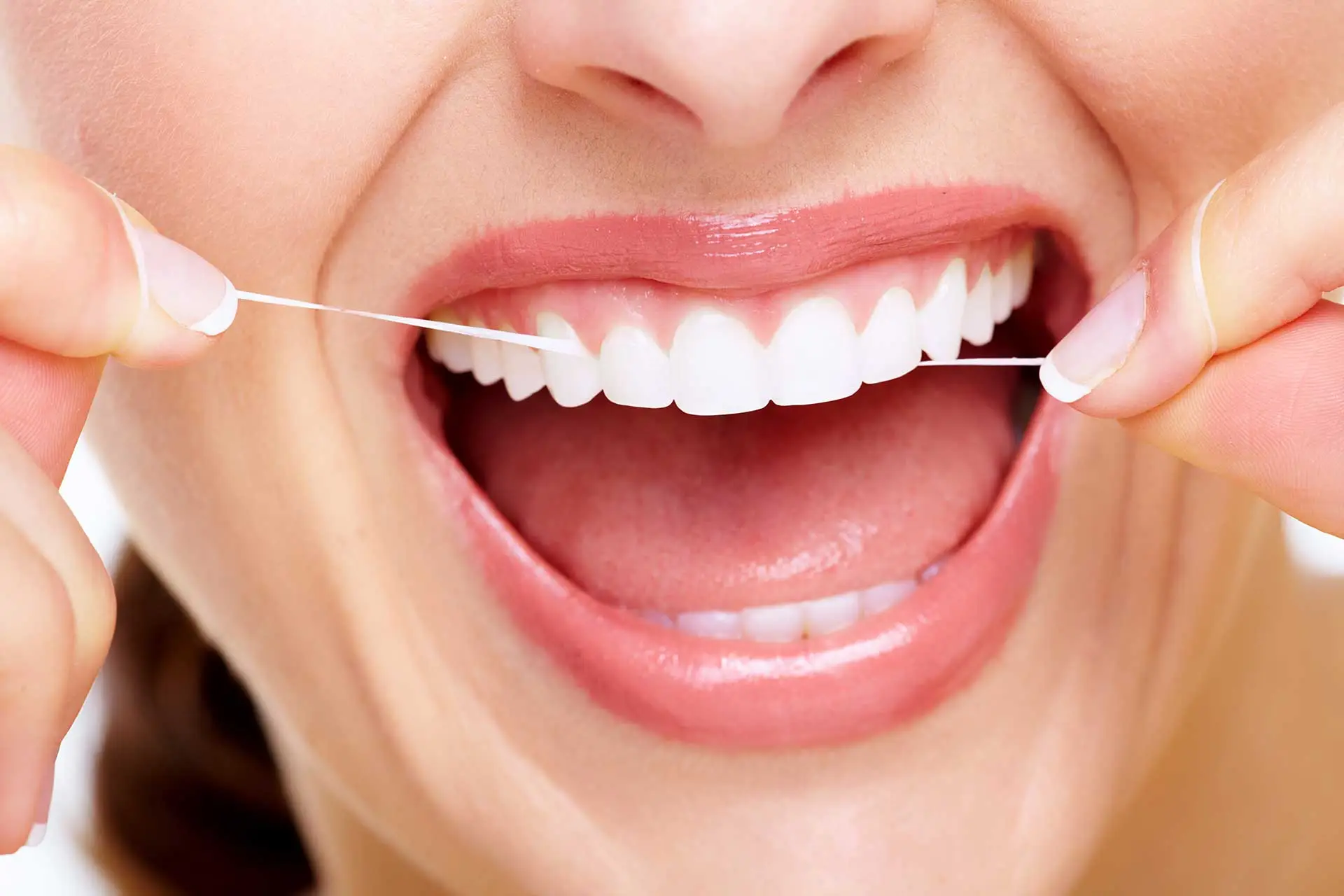
Flossing is equally important because toothbrushes cannot reach between teeth. Flossing once a day removes hidden plaque and prevents cavities from forming in tight spaces.
Cleaning the tongue also helps reduce bacteria in the mouth and improves overall oral freshness.
Proper Brushing Techniques Matter
Brushing correctly is just as important as brushing regularly. Many people brush too hard or too quickly, which can damage gums and enamel.
Dentists recommend using a soft-bristled toothbrush and brushing gently in circular motions for at least two minutes. All surfaces of the teeth—front, back, and chewing surfaces—should be cleaned thoroughly.
Replacing your toothbrush every three months or when bristles become frayed also ensures effective cleaning.
The Role of Diet in Preventing Tooth Decay
Diet plays a major role in oral health. Foods high in sugar and starch increase acid production in the mouth, which accelerates enamel erosion.
Sticky candies, soft drinks, packaged snacks, and frequent sugary drinks are major contributors to tooth decay. Instead, a balanced diet rich in fruits, vegetables, dairy products, and whole grains helps protect teeth.
Calcium-rich foods such as milk, yogurt, and cheese strengthen enamel, while crunchy fruits and vegetables help naturally clean teeth surfaces. Drinking plenty of water also helps wash away food particles and neutralize acids.
Importance of Fluoride in Dental Protection
Fluoride is a natural mineral that helps prevent tooth decay by strengthening enamel and repairing early signs of damage. It makes teeth more resistant to acid attacks from bacteria.
Fluoride can be found in toothpaste, mouth rinses, and sometimes drinking water. Regular use of fluoride toothpaste is one of the simplest and most effective ways to protect teeth from decay.
In some cases, dentists may recommend fluoride treatments for additional protection, especially for children or individuals at higher risk of cavities.
Regular Dental Check-ups and Cleanings
Visiting a dentist regularly is essential for maintaining oral health. Dental professionals can detect early signs of decay before they become serious problems.
Professional cleaning removes hardened plaque (tartar) that cannot be removed by brushing or flossing at home. Dentists also provide preventive treatments such as sealants, which protect the chewing surfaces of back teeth from decay.
Routine check-ups every six months help ensure long-term dental health and prevent costly treatments in the future.
Healthy Habits to Prevent Tooth Decay
Daily habits play a big role in maintaining strong teeth. Avoiding frequent snacking reduces constant acid exposure in the mouth. Limiting sugary drinks and rinsing the mouth with water after meals also helps reduce bacterial activity.
Chewing sugar-free gum can stimulate saliva production, which naturally cleans the mouth and neutralizes acids. Saliva is an important protective factor in oral health.
Avoiding harmful habits such as chewing ice, biting hard objects, or using teeth as tools also helps prevent enamel damage.
Importance of Hydration and Saliva
Water is essential for maintaining oral health. It helps wash away food particles, keeps the mouth hydrated, and reduces acid buildup.
Saliva acts as a natural defense system for teeth. It neutralizes acids, provides minerals for enamel repair, and helps control bacteria levels in the mouth. Dry mouth conditions can increase the risk of tooth decay, making hydration even more important.
Oral Care for Children and Early Prevention
Children are especially vulnerable to tooth decay due to developing brushing habits and frequent exposure to sugary foods. Parents should begin cleaning a child’s mouth even before teeth appear and start brushing as soon as the first tooth erupts.
Teaching proper brushing techniques early, limiting sugary snacks, and scheduling regular dental visits helps build strong oral health habits for life. Dental sealants may also be recommended to protect children’s molars from cavities.
Warning Signs of Tooth Decay
Early detection is important for preventing serious damage. Common signs of tooth decay include white or brown spots on teeth, sensitivity to hot or cold foods, mild pain while chewing, and visible holes in teeth.
Recognizing these symptoms early allows for timely treatment and prevents further complications.
Your smile deserves expert care and personalized attention. With years of experience in advanced orthodontic treatments, Dr. Nizar Ishaq is dedicated to helping patients achieve healthier, more confident smiles through modern techniques and customized treatment plans. Whether you need routine dental care, smile correction, or specialized orthodontic solutions, booking a consultation directly with Dr. Nizar Ishaq ensures professional guidance and patient-focused care. Take the first step toward a healthier, brighter smile by scheduling your consultation today.