
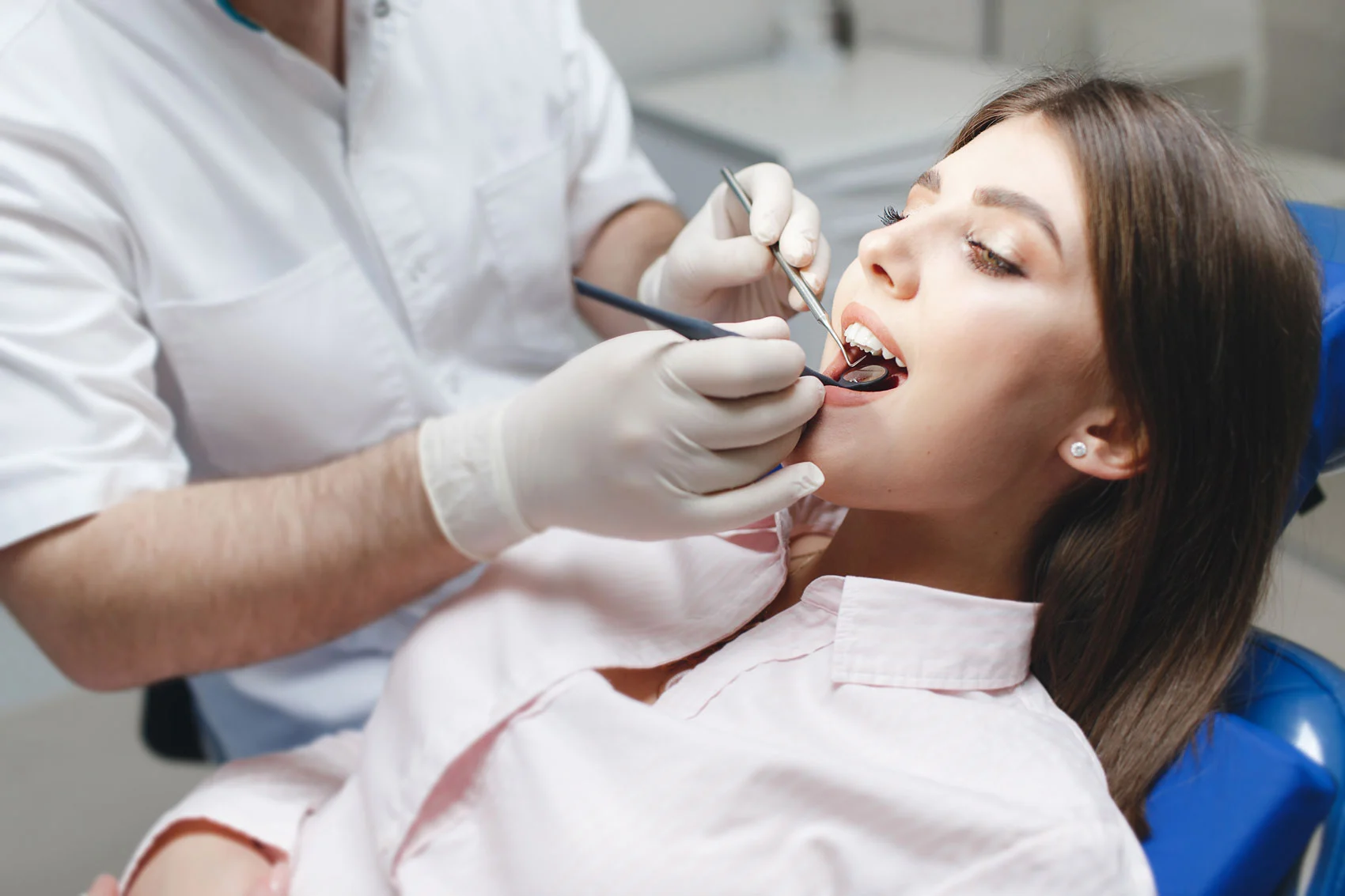
Orthodontic treatment is a specialized dental process designed to correct misaligned teeth, improve bite function, and enhance overall smile aesthetics. Many people choose orthodontic care not only for cosmetic reasons but also to improve oral health, speech, and long-term dental stability.
What to Expect During Orthodontic Treatment helps patients understand the journey from consultation to final results, making the process easier, more predictable, and less stressful.
Initial Consultation and Assessment
The first step in orthodontic treatment is a detailed consultation with an orthodontist.
What happens during this stage:
- Dental examination
- X-rays and digital scans
- Bite analysis
- Discussion of treatment goals
The orthodontist evaluates tooth alignment, jaw structure, and overall oral health before recommending a treatment plan.
Customized Treatment Plan
Every patient receives a personalized treatment plan.
This plan includes:
- Type of treatment (braces or aligners)
- Estimated treatment duration
- Expected results
- Cost and maintenance details
A clear plan helps patients understand the entire process before starting.
Types of Orthodontic Treatments
There are different options depending on dental needs:
Traditional Braces
- Metal brackets and wires
- Effective for complex alignment issues
- Regular adjustments required
Ceramic Braces
- Tooth-colored brackets
- Less visible than metal braces
- Slightly more delicate
Clear Aligners
- Transparent removable trays
- Nearly invisible appearance
- Suitable for mild to moderate cases
Each option has its own advantages based on lifestyle and dental condition.
Getting Braces or Aligners Fitted
The fitting process is simple and usually painless.
For braces:
- Brackets are bonded to teeth
- Archwire is placed to guide movement
For aligners:
- Custom trays are created using digital scans
- First set is fitted and instructions are given
This marks the official start of treatment.
Adjustment Period
The first few days or weeks may require adjustment.
What patients may experience:
- Mild discomfort or pressure
- Slight difficulty in eating
- Mouth sensitivity
This is normal and usually improves as the mouth adapts.
Regular Adjustment Visits
Patients need periodic visits to the orthodontist.
During these visits:
- Braces are tightened or adjusted
- New aligner sets are provided
- Progress is monitored
These appointments are essential for proper tooth movement.
Oral Hygiene During Treatment
Maintaining oral hygiene is very important.
Key practices:
- Brush after every meal if possible
- Use floss or interdental brushes
- Rinse with mouthwash if recommended
- Clean around brackets or aligners carefully
Good hygiene prevents cavities and gum problems during treatment.
Dietary Changes (For Braces)
Patients with braces may need to modify their diet.
Foods to avoid:
- Sticky candies
- Hard foods like nuts or ice
- Chewing gum
Recommended foods:
- Soft fruits
- Cooked vegetables
- Dairy products
These changes help protect braces from damage.
Wearing Aligners Properly
For clear aligner users, discipline is important.
Guidelines:
- Wear aligners 20–22 hours per day
- Remove only for eating and brushing
- Switch trays as instructed
Consistency ensures effective results.
Duration of Treatment
Orthodontic treatment typically lasts:
- 6 months to 2 years depending on complexity
Factors affecting duration:
- Severity of misalignment
- Patient compliance
- Type of treatment used
Possible Discomfort
Mild discomfort is normal during treatment.
Common issues:
- Pressure on teeth
- Soreness after adjustments
- Minor irritation in cheeks or lips
Over-the-counter pain relief and orthodontic wax can help.
Progress and Visible Changes
Changes do not happen overnight, but gradual improvement is noticeable.
Timeline:
- First few months: alignment begins
- Mid-treatment: visible improvement
- Final phase: fine adjustments
Patience is key for successful outcomes.
Retainers After Treatment
After braces or aligners, retainers are essential.
Purpose:
- Maintain new tooth position
- Prevent shifting back
Types:
- Fixed retainers
- Removable retainers
Wearing retainers ensures long-term results.
Emotional and Social Experience
Orthodontic treatment can also affect confidence.
Positive outcomes:
- Improved smile aesthetics
- Increased self-esteem
- Better social confidence
Many patients feel more comfortable smiling after treatment begins.
When to Contact Your Orthodontist
Patients should seek help if:
- Severe pain occurs
- Brackets break or wires loosen
- Aligners don’t fit properly
- Mouth sores persist
Timely support ensures smooth treatment progress.
Your smile deserves expert care and personalized attention. With years of experience in advanced orthodontic treatments, Dr. Nizar Ishaq is dedicated to helping patients achieve healthier, more confident smiles through modern techniques and customized treatment plans. Whether you need routine dental care, smile correction, or specialized orthodontic solutions, booking a consultation directly with Dr. Nizar Ishaq ensures professional guidance and patient-focused care. Take the first step toward a healthier, brighter smile by scheduling your consultation today.