
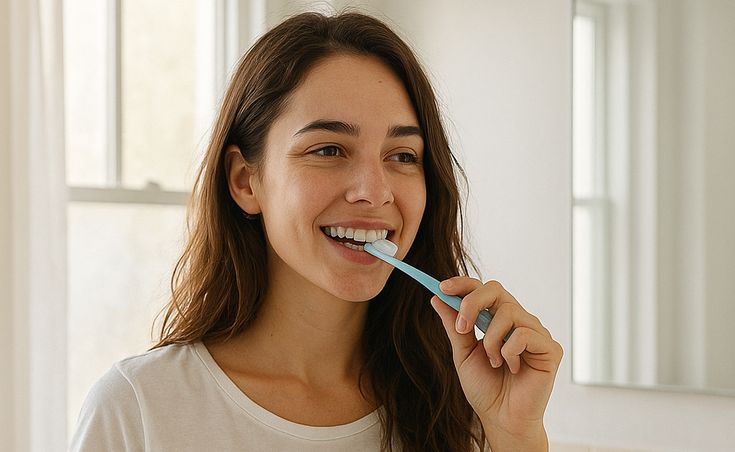
Oral health is closely connected to everyday habits and overall well-being. The mouth is an important part of the body, and taking care of the teeth, gums, tongue, and surrounding tissues can support comfort, nutrition, communication, and confidence. Understanding How Oral Hygiene Supports a Healthy Lifestyle can encourage people to make oral care a consistent part of their daily health routine.
What Is Oral Hygiene?
Oral hygiene involves the daily practices used to keep the mouth clean and healthy. These practices generally include brushing the teeth twice a day with fluoride toothpaste, cleaning between the teeth, cleaning the tongue, maintaining a balanced diet, and attending regular dental checkups.
Good oral hygiene helps control plaque, a sticky layer of bacteria that continuously forms on teeth. If plaque is not removed regularly, it can contribute to tooth decay and gum problems.
Healthy Teeth Support Better Nutrition
Teeth play an important role in biting and chewing food. Healthy teeth and gums make it easier to enjoy a varied diet that includes fruits, vegetables, whole grains, protein-rich foods, and other nutritious choices.
Dental pain, sensitivity, or missing teeth can make certain foods difficult to eat. Maintaining oral health can therefore support comfortable eating and help people maintain balanced dietary habits.
Oral Hygiene Helps Prevent Tooth Decay
Tooth decay occurs when acids produced by bacteria damage tooth enamel. Regular brushing with fluoride toothpaste helps remove plaque and provides fluoride protection for the teeth.
Reducing frequent consumption of sugary foods and drinks can also lower the risk of cavities. Together, daily hygiene and healthy dietary choices can provide important protection against tooth decay.
Healthy Gums Are Important
Gum health is another essential part of oral hygiene. Plaque can accumulate along the gumline and contribute to inflammation.
Brushing gently along the gumline and cleaning between the teeth can help control plaque. Persistent gum swelling, tenderness, redness, or bleeding should be discussed with a dental professional.
Oral Hygiene Supports Fresh Breath
Bad breath can sometimes result from bacteria, food particles, poor oral hygiene, dry mouth, or gum problems.
Brushing the teeth, cleaning the tongue, cleaning between the teeth, drinking enough water, and maintaining regular dental care can support fresher breath.
Persistent bad breath should not simply be covered with mints or mouthwash. A dental evaluation can help identify an underlying cause when the problem continues.
Oral Health Can Support Confidence
A clean and healthy mouth can contribute to confidence when speaking, smiling, eating, and interacting with others.
People who experience dental pain, visible tooth problems, or persistent bad breath may sometimes feel self-conscious. Maintaining oral hygiene can help reduce preventable dental concerns and support a more comfortable social experience.
Brushing Is a Daily Essential
Brushing twice a day is one of the simplest ways to support oral health. A soft-bristled toothbrush and fluoride toothpaste can help remove plaque and strengthen enamel.
Brushing should be gentle rather than aggressive. Excessive pressure can irritate the gums and contribute to tooth sensitivity or enamel wear.
Cleaning Between the Teeth
Even effective brushing cannot completely clean the spaces between teeth. Floss or another appropriate interdental cleaning method can remove plaque and food particles from these areas.
Cleaning between the teeth regularly is particularly important because plaque that remains in these spaces can contribute to gum inflammation and cavities.
Tongue Cleaning Can Complement Oral Care
The tongue can collect bacteria and food debris on its surface. Gently cleaning the tongue can help reduce surface buildup and contribute to a cleaner-feeling mouth.
A toothbrush or tongue scraper can be used according to personal preference and professional recommendations. Aggressive scraping should be avoided because it may irritate the tongue.
A Balanced Diet Supports Oral Health
Diet has an important role in maintaining healthy teeth. Nutrient-rich foods provide the body with substances needed for normal development and maintenance.
Calcium-rich foods, fruits, vegetables, whole grains, and appropriate sources of protein can all form part of a balanced diet. Limiting frequent sugary snacks and drinks can help reduce repeated acid attacks on tooth enamel.
Water Is a Good Everyday Choice
Water supports hydration and can help wash away some food particles from the mouth. Choosing water instead of frequently consuming sugary drinks can reduce sugar exposure.
Water may also be particularly useful after meals or snacks when brushing is not immediately possible.
Avoid Tobacco Products
Tobacco can negatively affect oral health and is associated with gum disease, tooth staining, bad breath, tooth loss, and other serious oral conditions.
Avoiding tobacco is an important part of maintaining a healthy mouth and supporting overall health.
Protect Teeth During Physical Activities
People who participate in contact sports or activities where facial injuries are possible should consider appropriate mouth protection.
A properly fitted mouthguard can help reduce the risk of injuries to the teeth and surrounding oral tissues. Parents should also encourage children and teenagers to follow recommended sports safety practices.
Manage Stress in Healthy Ways
Stress can influence daily routines, including oral hygiene. Some people may neglect brushing or develop habits such as teeth grinding or jaw clenching during periods of stress.
Maintaining regular oral care and discussing persistent jaw discomfort or tooth damage with a dental professional can help address potential concerns.
Regular Dental Checkups Matter
Daily home care is important, but professional dental examinations provide another layer of protection. Dental professionals can identify early signs of tooth decay, gum disease, enamel wear, and other concerns.
Regular visits also provide an opportunity for professional cleaning and personalized advice based on an individual’s oral health needs.
Oral Care for Children
Healthy oral habits should begin early. Parents can help young children brush their teeth and gradually teach them to take responsibility for their own oral hygiene.
Making brushing part of the morning and bedtime routine can help children develop habits that continue into adolescence and adulthood.
Oral Hygiene During Adolescence
Teenagers may face additional challenges, including busy schedules, frequent snacking, sugary beverages, orthodontic appliances, and increased independence.
Encouraging teenagers to maintain consistent brushing, interdental cleaning, healthy eating habits, and regular dental appointments can help them protect their teeth during this important stage.
Oral Hygiene and Daily Well-Being
A healthy mouth can make everyday activities such as eating, speaking, smiling, and socializing more comfortable. Preventing dental problems can also reduce the likelihood of pain or disruptions to normal routines.
Oral hygiene is therefore not simply a cosmetic concern. It is an important component of everyday self-care.
Recognize Warning Signs
People should pay attention to persistent dental symptoms, including tooth pain, sensitivity, swollen gums, bleeding, sores, loose teeth, or changes in the mouth.
Early professional assessment can help identify the cause and determine appropriate treatment. Delaying care may allow some dental problems to become more complicated.
Your smile deserves expert care and personalized attention. With years of experience in advanced orthodontic treatments, Dr. Nizar Ishaq is dedicated to helping patients achieve healthier, more confident smiles through modern techniques and customized treatment plans. Whether you need routine dental care, smile correction, or specialized orthodontic solutions, booking a consultation directly with Dr. Nizar Ishaq ensures professional guidance and patient-focused care. Take the first step toward a healthier, brighter smile by scheduling your consultation today.