
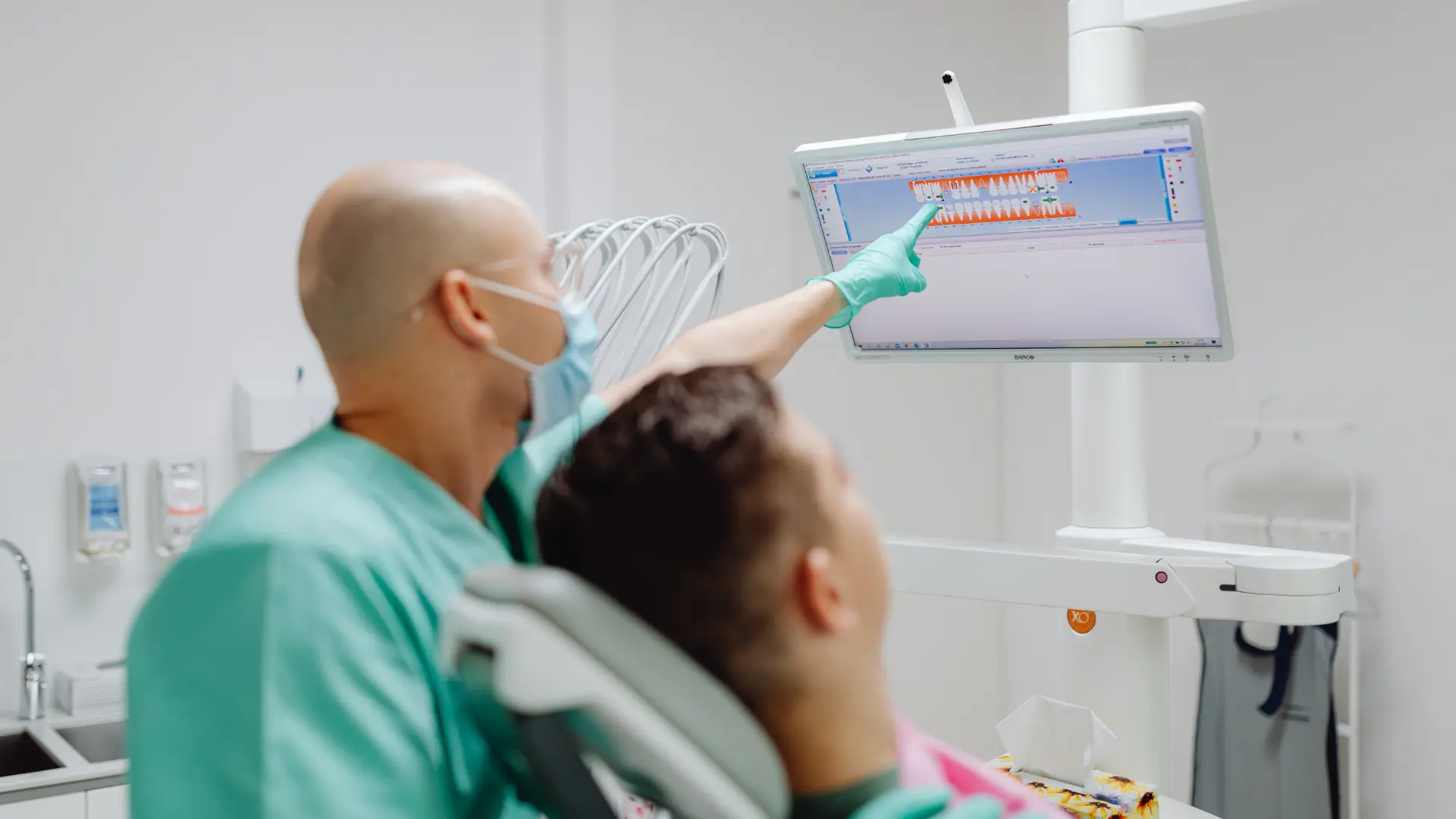
Dental care has changed significantly over the years. What was once largely focused on treating pain and extracting damaged teeth has developed into a broader approach that emphasizes prevention, early diagnosis, restoration, aesthetics, and long-term oral health. Understanding The Evolution of Modern Dental Care helps explain how advances in technology, materials, education, and preventive dentistry have transformed the way people care for their teeth and gums.
From Basic Treatment to Preventive Care
Historically, dental treatment often focused on addressing problems after they developed. Toothaches, infections, and severely damaged teeth could eventually lead to extraction because there were fewer options for preserving natural teeth.
Modern dentistry places much greater emphasis on prevention. Regular examinations, professional cleanings, fluoride use, dental education, and improved home-care routines help identify and manage problems before they become more complicated.
This shift from treatment-focused dentistry toward preventive care has become one of the most important developments in oral health.
Improved Understanding of Oral Health
Advances in dental research have increased understanding of how tooth decay, gum disease, oral infections, and other conditions develop.
Dental professionals now have a better understanding of the role of plaque, bacteria, diet, oral hygiene, genetics, lifestyle factors, and individual risk in oral health.
This knowledge allows dental care to become more personalized. Instead of providing exactly the same advice to every patient, professionals can consider individual needs and risk factors.
The Development of Modern Dental Materials
Dental materials have evolved considerably. Traditional metal-based restorations have been complemented by tooth-colored materials designed to restore damaged teeth while maintaining a more natural appearance.
Modern restorative materials can be selected based on factors such as tooth location, strength requirements, appearance, and the extent of damage.
These developments have expanded the options available for restoring teeth while preserving as much healthy tooth structure as possible.
Digital Dental Technology
Digital technology has become an important part of contemporary dentistry. Digital imaging, intraoral scanners, computer-based treatment planning, and electronic patient records can improve efficiency and support more detailed assessment.
Digital impressions can provide an alternative to traditional impression materials in many situations. Scanning technology can also help create detailed representations of the teeth for treatment planning.
Digital Imaging and Diagnosis
Modern imaging technologies allow dental professionals to examine teeth, roots, bone, and surrounding structures in greater detail.
Depending on the clinical situation, dentists may use digital X-rays or three-dimensional imaging to support diagnosis and treatment planning.
These technologies can help professionals identify problems that may not be visible during a standard visual examination.
Advances in Preventive Dentistry
Preventive dentistry has become increasingly important in modern dental care. Fluoride treatments, dental sealants, professional cleanings, customized oral hygiene instructions, and regular monitoring can help reduce the risk of common dental problems.
Preventive care is particularly valuable for children because early habits can influence oral health throughout life.
Changes in Pediatric Dental Care
Children’s dentistry has also evolved. Modern pediatric dental care focuses not only on treating cavities but also on prevention, dental education, healthy development, and creating positive experiences.
Parents are encouraged to begin oral care early and schedule dental visits as recommended. Early monitoring can help identify concerns involving tooth eruption, habits, alignment, and oral development.
Evolution of Orthodontic Treatment
Orthodontics has moved beyond traditional metal braces alone. Although conventional braces remain an effective treatment option, patients may now have access to ceramic braces, self-ligating systems, and clear aligner technology depending on their needs.
Digital treatment planning can help orthodontic professionals visualize tooth movement and develop customized treatment sequences.
Clear Aligners
Clear aligners have become a widely recognized option for certain orthodontic cases. They use a series of removable trays designed to gradually move teeth.
They may be suitable for selected alignment problems, although not every patient or type of malocclusion is appropriate for aligner treatment.
Professional assessment is important to determine the most suitable orthodontic approach.
Modern Dental Implants
Dental implants have also transformed tooth replacement. Instead of relying only on removable dentures or traditional bridges, suitable patients may have implant-supported replacement options.
Implants are designed to replace the root portion of a missing tooth and can support crowns, bridges, or other restorations depending on the treatment plan.
Advances in implant planning and digital technology have improved the precision of treatment in many cases.
Cosmetic Dentistry Has Expanded
Modern dental care also includes a growing range of cosmetic treatments. Teeth whitening, veneers, tooth-colored restorations, and orthodontic treatments can address various aesthetic concerns.
Cosmetic dentistry should ideally be approached alongside oral health. Healthy teeth and gums provide an important foundation for many aesthetic procedures.
Better Pain and Anxiety Management
Dental care has also changed through improved approaches to patient comfort. Modern practices may use local anesthesia, carefully planned treatment techniques, and communication strategies to make procedures more comfortable.
For patients who experience significant dental anxiety, dental professionals can discuss appropriate options for managing fear and improving the treatment experience.
Minimally Invasive Dentistry
Modern dentistry increasingly emphasizes preserving healthy tooth structure. When possible, treatment approaches aim to remove only damaged areas while maintaining as much natural tooth material as practical.
Early detection plays an important role in this approach because smaller problems may be easier to manage with less extensive treatment.
Laser Technology
Laser technology is used in selected dental procedures and may have applications involving soft tissues and certain other treatments.
Its suitability depends on the procedure, patient’s needs, and the equipment available. Lasers are not a replacement for every conventional dental technique, but they represent one area where technology has expanded treatment options.
Artificial Intelligence and Dental Technology
Artificial intelligence is increasingly being explored in dentistry. AI-based tools may assist with image analysis, pattern recognition, treatment planning, administrative tasks, and patient communication.
These technologies are designed to support dental professionals rather than replace clinical judgment. Human expertise remains essential when diagnosing conditions and deciding on treatment.
Teledentistry and Remote Communication
Digital communication has also expanded access to dental guidance. Teledentistry can allow certain consultations, follow-ups, education, and preliminary assessments to take place remotely when appropriate.
Not every dental concern can be diagnosed or treated virtually, so in-person examination remains necessary for many conditions.
Focus on Patient-Centered Care
Modern dentistry increasingly emphasizes patient education and shared decision-making. Patients can learn about their diagnosis, available treatment options, expected outcomes, and preventive strategies.
This approach allows individuals to participate more actively in decisions about their oral health.
Importance of Oral Health Education
Dental care has become increasingly connected to education. Patients are encouraged to understand brushing techniques, interdental cleaning, nutrition, fluoride use, and the importance of regular examinations.
Better knowledge can help individuals make informed decisions and maintain healthier habits between dental appointments.
The Future of Dental Care
The evolution of dentistry is continuing. Advances in digital scanning, artificial intelligence, biomaterials, imaging, regenerative research, and personalized treatment planning may further influence how dental care is delivered.
Future developments are likely to focus on earlier detection, more precise treatment, improved patient comfort, and greater preservation of natural teeth.
Your smile deserves expert care and personalized attention. With years of experience in advanced orthodontic treatments, Dr. Nizar Ishaq is dedicated to helping patients achieve healthier, more confident smiles through modern techniques and customized treatment plans. Whether you need routine dental care, smile correction, or specialized orthodontic solutions, booking a consultation directly with Dr. Nizar Ishaq ensures professional guidance and patient-focused care. Take the first step toward a healthier, brighter smile by scheduling your consultation today.