
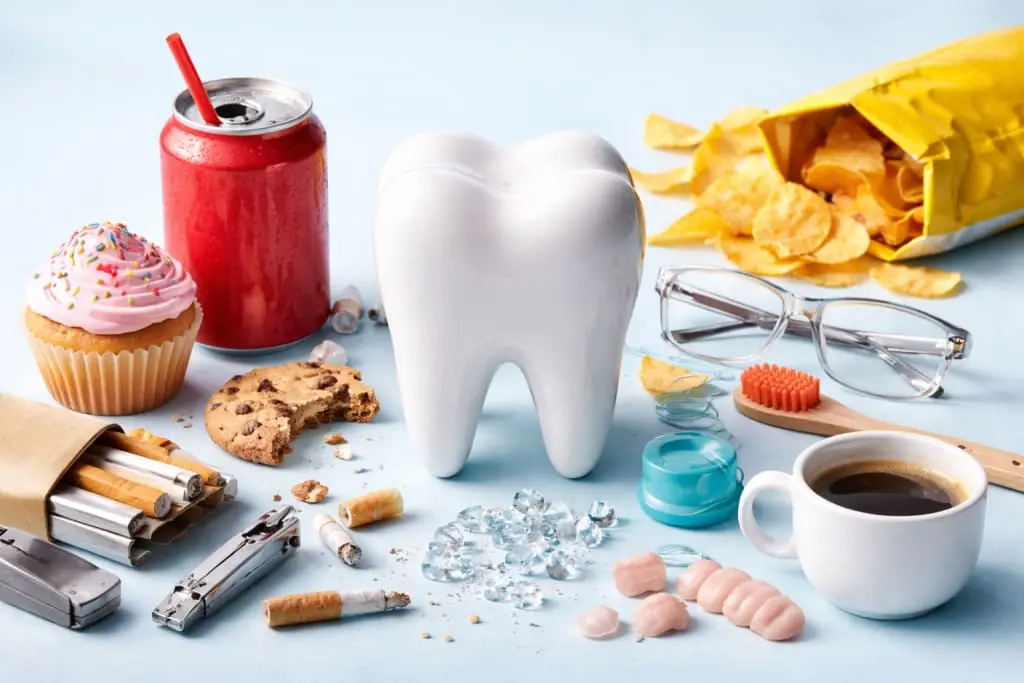
Your teeth are designed to last a lifetime, but everyday habits can gradually weaken enamel, increase the risk of cavities, and lead to gum disease or tooth loss. While brushing and flossing are essential for maintaining good oral health, avoiding harmful habits is equally important.
Many people unknowingly engage in behaviors that damage their teeth over time. Understanding the habits that can damage your teeth can help you make healthier choices and protect your smile for years to come.
Why Healthy Dental Habits Matter
Tooth enamel is the hardest substance in the human body, but it is not indestructible. Once enamel wears away, it cannot regenerate naturally. Poor oral habits can also affect the gums, jaw, and overall oral health, leading to expensive and complex dental treatments.
By recognizing damaging habits early, you can reduce the risk of dental problems and maintain strong, healthy teeth.
1. Brushing Too Hard
Brushing your teeth vigorously may seem like an effective way to clean them, but excessive force can wear down enamel and cause gum recession.
Instead:
- Use a soft-bristled toothbrush.
- Brush gently using small circular motions.
- Brush for about two minutes twice a day.
Gentle brushing is more effective and safer than aggressive scrubbing.
2. Skipping Daily Flossing
Brushing alone cannot remove plaque and food particles between your teeth.
Without daily flossing:
- Plaque builds up.
- Cavities may develop between teeth.
- Gum disease becomes more likely.
- Bad breath can occur.
Flossing once a day helps keep your gums healthy and reduces the risk of tooth decay.
3. Frequent Sugary Snacks and Drinks
Sugar feeds harmful bacteria in the mouth, which produce acids that attack tooth enamel.
Common sources include:
- Soft drinks
- Candy
- Cakes
- Sweetened coffee and tea
- Sports drinks
- Sticky sweets
Limiting sugary foods and rinsing your mouth with water after consuming them can help protect your teeth.
4. Chewing Ice
Although ice contains only water, chewing it can crack teeth, damage fillings, and wear down enamel.
If you enjoy cold drinks, avoid chewing the ice cubes afterward.
5. Using Teeth as Tools
Opening bottles, tearing packages, or biting fingernails with your teeth can lead to:
- Chipped teeth
- Cracks
- Broken dental restorations
- Jaw strain
Always use the appropriate tools instead of your teeth.
6. Teeth Grinding (Bruxism)
Many people grind or clench their teeth during sleep without realizing it.
Teeth grinding may cause:
- Worn enamel
- Tooth fractures
- Jaw pain
- Headaches
- Tooth sensitivity
A dentist may recommend a custom night guard to protect your teeth while you sleep.
7. Smoking and Tobacco Use
Smoking affects both your teeth and gums by increasing the risk of:
- Gum disease
- Tooth loss
- Stained teeth
- Bad breath
- Delayed healing after dental procedures
- Oral cancer
Quitting tobacco is one of the best decisions you can make for your oral and overall health.
8. Drinking Acidic Beverages Frequently
Acidic drinks gradually erode tooth enamel.
These include:
- Soft drinks
- Energy drinks
- Citrus juices
- Sports drinks
To reduce the impact:
- Drink water afterward.
- Use a straw when appropriate.
- Avoid sipping acidic beverages throughout the day.
9. Ignoring Dental Check-ups
Many dental problems begin without noticeable symptoms.
Routine dental visits help detect:
- Cavities
- Gum disease
- Oral infections
- Cracked teeth
- Early signs of oral cancer
Regular check-ups allow for early treatment before problems become more serious.
10. Nail Biting
Nail biting places unnecessary pressure on the teeth and jaw.
This habit may lead to:
- Chipped teeth
- Small fractures
- Jaw discomfort
- Increased exposure to bacteria from the hands
Breaking this habit benefits both your oral health and overall hygiene.
11. Poor Hydration
Saliva helps wash away food particles, neutralize acids, and protect tooth enamel.
Not drinking enough water can contribute to:
- Dry mouth
- Bad breath
- Increased plaque buildup
- Higher cavity risk
Stay hydrated throughout the day to support a healthy mouth.
12. Delaying Dental Treatment
Ignoring minor dental issues often allows them to become more serious.
For example:
- A small cavity may progress to a root canal.
- Mild gum inflammation can develop into advanced gum disease.
- A cracked tooth may eventually require extraction.
Seeking prompt treatment helps preserve your natural teeth and reduces treatment costs.
Tips for Protecting Your Teeth
Healthy daily habits can significantly reduce the risk of dental problems.
Follow these simple practices:
- Brush twice daily with fluoride toothpaste.
- Floss every day.
- Eat a balanced diet.
- Limit sugary and acidic foods.
- Drink plenty of water.
- Wear a mouthguard during sports.
- Visit your dentist every six months.
- Avoid tobacco products.
- Replace your toothbrush every three to four months.
Small lifestyle changes can make a big difference in maintaining a healthy smile.
Your smile deserves expert care and personalized attention. With years of experience in advanced orthodontic treatments, Dr. Nizar Ishaq is dedicated to helping patients achieve healthier, more confident smiles through modern techniques and customized treatment plans. Whether you need routine dental care, smile correction, or specialized orthodontic solutions, booking a consultation directly with Dr. Nizar Ishaq ensures professional guidance and patient-focused care. Take the first step toward a healthier, brighter smile by scheduling your consultation today.