
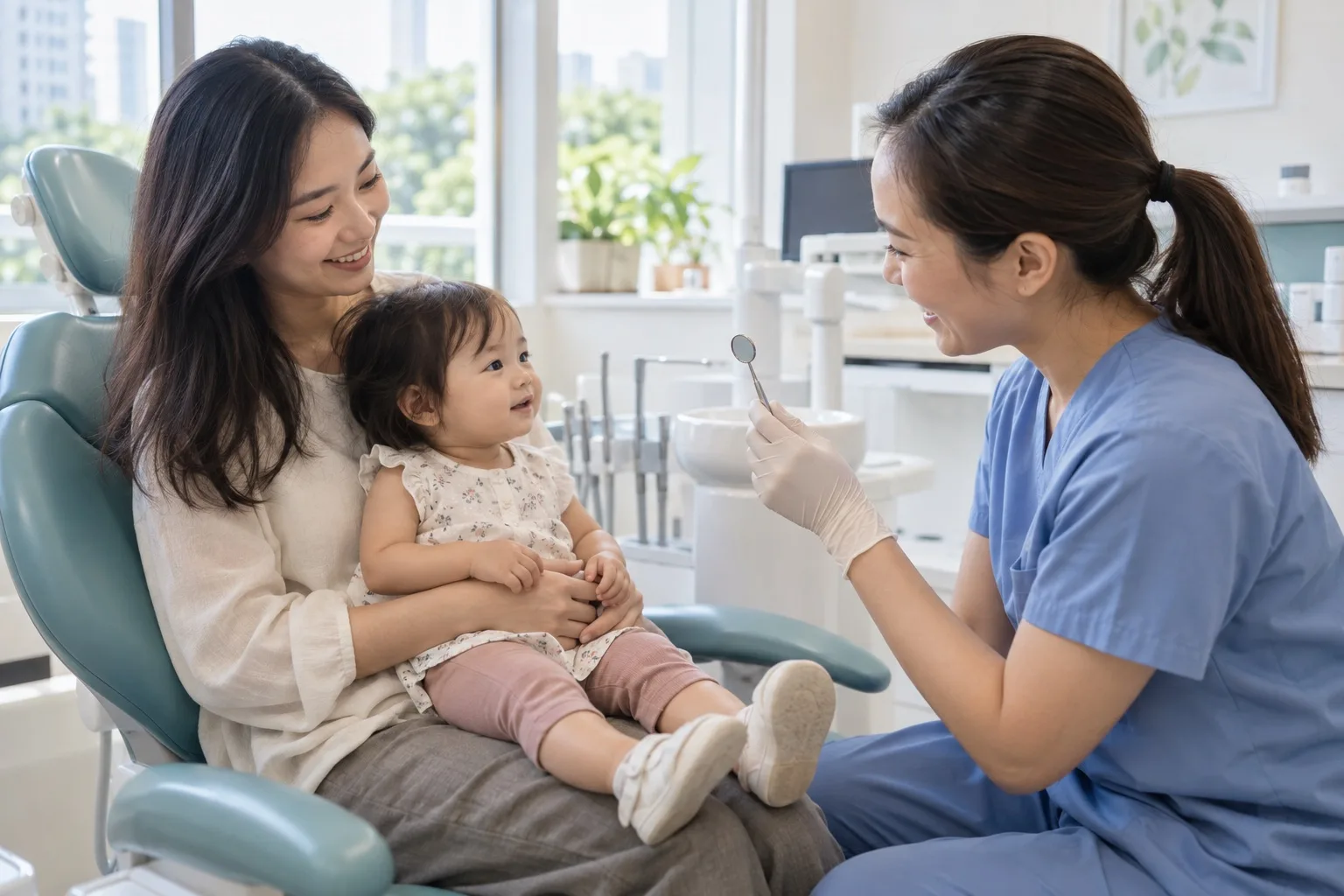
Starting dental care early can help children develop healthy teeth and positive oral hygiene habits. Parents often wonder when their child should have the first dental appointment, particularly when only a few baby teeth have appeared. Early dental visits allow dental professionals to monitor oral development, identify potential concerns, and guide parents on suitable home care.
Baby teeth are important for chewing, speech development, and maintaining the space needed for permanent teeth. For this reason, caring for them should begin from an early age.
The Right Time for a Child’s First Dental Visit
A child should generally see a dentist when the first tooth becomes visible or no later than the first birthday. This early appointment is mainly focused on prevention and education rather than extensive treatment.
The dental professional can check the condition of the teeth and gums, discuss the child’s oral hygiene routine, and identify factors that may increase the risk of tooth decay.
Why Early Dental Care Is Important
Baby teeth may eventually be replaced by permanent teeth, but they still serve several important purposes. They help children eat comfortably, support clear speech, and preserve appropriate space for developing adult teeth.
Untreated dental problems in primary teeth can cause pain and may affect a child’s daily activities. Regular dental care helps detect issues early and encourages healthy habits before problems become more complicated.
What to Expect During the First Appointment
A child’s first dental appointment is usually designed to be gentle and comfortable. The dental professional may examine the child’s mouth, teeth, and gums while considering the child’s age and level of cooperation.
Parents may receive guidance about:
- Cleaning a baby’s teeth and gums
- Choosing suitable toothpaste
- Fluoride and cavity prevention
- Healthy snacks and drinks
- Teething-related concerns
- Pacifier or thumb-sucking habits
- Feeding and bedtime routines
The appointment also gives parents an opportunity to discuss any concerns they have about their child’s oral development.
Helping Children Feel Comfortable
A positive first experience can make future dental visits easier. Parents can prepare children by explaining that the dentist helps keep their teeth clean and healthy.
It is better to use simple, reassuring language rather than discussing dental procedures in a way that could create fear. Age-appropriate books, stories, or pretend dental visits at home can also help children become familiar with the idea.
Scheduling the appointment when the child is well-rested may make it easier for them to cooperate.
Starting Oral Hygiene at Home
Dental care begins before a child’s first appointment. Parents can gently clean a baby’s gums using a clean, soft cloth. Once the first tooth appears, regular brushing should become part of the child’s daily routine.
An age-appropriate fluoride toothpaste can be used according to professional guidance. Young children usually need parental assistance because they may not yet have the ability to brush thoroughly on their own.
As children become older, parents can gradually teach them how to brush independently while continuing to supervise their routine.
Reducing the Risk of Tooth Decay
Early childhood tooth decay can develop when teeth are repeatedly exposed to sugary foods and drinks. Parents can help protect their child’s teeth by limiting frequent sugary snacks and choosing nutritious foods.
Water can be encouraged between meals where appropriate. Parents should also be mindful of prolonged exposure to sugary liquids, particularly around bedtime.
Good brushing habits combined with regular dental care can provide additional protection against cavities.
Continuing With Regular Dental Visits
The first appointment should be viewed as the beginning of ongoing dental care. Regular checkups allow dental professionals to observe changes in the child’s teeth, gums, bite, and overall oral development.
The recommended appointment schedule can differ between children depending on factors such as cavity risk, oral hygiene, dental development, and individual needs.
Frequent positive experiences can also help children become more comfortable with dental environments as they grow.
When a Child Needs Dental Care Earlier
Parents should arrange a dental appointment sooner if they notice signs of a possible oral health problem. Toothache, swollen gums, unusual marks on teeth, persistent sensitivity, tooth discoloration, or an injury to the mouth may require professional assessment.
A child experiencing difficulty eating or sleeping because of dental discomfort should also be evaluated.
Seeking care promptly can help identify the cause of the problem and prevent it from becoming more serious.
Protecting Primary Teeth
Maintaining healthy baby teeth requires consistent care at home and professional monitoring. Parents can support good oral health by encouraging regular brushing, providing balanced meals, limiting sugary foods, and arranging routine dental examinations.
Children often learn by observing their parents. Making brushing and dental care a normal family routine can help children develop habits that continue into adulthood.
Monitoring Oral Development
As children grow, dental visits can provide valuable opportunities to monitor the eruption of permanent teeth and the development of the jaw and bite. Dental professionals can also identify certain alignment concerns at an early stage.
Preventive guidance may change as a child gets older, making continued dental care important throughout childhood.
Building Lifelong Dental Habits
Introducing children to dental care at an early age can help establish a positive attitude toward oral health. When children understand the importance of brushing, healthy eating, and regular dental visits, they are more likely to carry these habits into later life.
Early dental appointments are therefore not only about checking teeth. They also provide education, prevention, and an opportunity to build a strong foundation for lifelong oral health.
Your smile deserves expert care and personalized attention. With years of experience in advanced orthodontic treatments, Dr. Nizar Ishaq is dedicated to helping patients achieve healthier, more confident smiles through modern techniques and customized treatment plans. Whether you need routine dental care, smile correction, or specialized orthodontic solutions, booking a consultation directly with Dr. Nizar Ishaq ensures professional guidance and patient-focused care. Take the first step toward a healthier, brighter smile by scheduling your consultation today.