
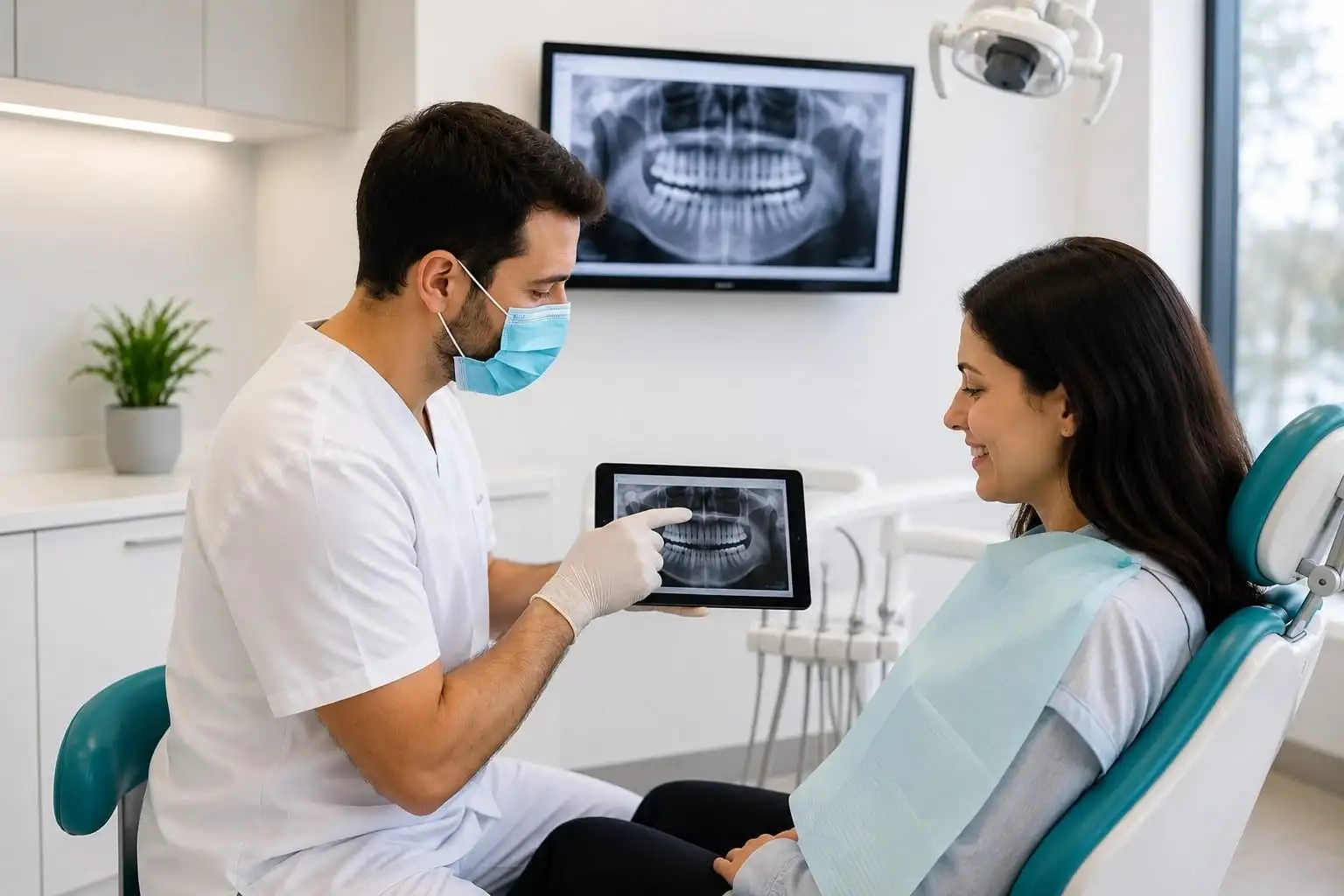
Preventive care plays an important role in maintaining health and reducing the risk of avoidable health problems. Instead of waiting for symptoms to appear, preventive healthcare focuses on regular checkups, screenings, healthy lifestyle choices, vaccinations, and early identification of potential concerns.
Long-term health is influenced by many factors, including daily habits, family history, age, environment, and access to appropriate healthcare. Making preventive care part of a regular routine can help people stay informed about their health and address concerns at an earlier stage.
Understanding Preventive Care
Preventive care includes healthcare services and lifestyle practices designed to help maintain health and identify potential problems before they become more serious.
Depending on a person’s age, health history, and individual risk factors, preventive care may include routine medical examinations, recommended screenings, vaccinations, dental checkups, vision assessments, and health counseling.
The appropriate preventive approach can differ from person to person, so healthcare recommendations should be based on individual needs.
Early Detection of Health Problems
One of the key benefits of preventive care is the opportunity to identify certain health concerns early. Some conditions may develop without obvious symptoms during their initial stages.
Routine health assessments and recommended screenings can help healthcare professionals identify changes that may require further evaluation. Detecting a concern earlier can provide more opportunities to manage it appropriately.
Regular checkups should therefore not be viewed only as a response to illness. They can also be an important part of maintaining overall health.
Supporting Healthy Lifestyle Choices
Preventive healthcare often includes guidance on nutrition, physical activity, sleep, stress management, and other lifestyle factors.
Small, sustainable changes can contribute to better long-term health. Eating a balanced diet, staying physically active, getting sufficient sleep, avoiding tobacco, and maintaining healthy habits can support overall wellbeing.
Healthcare professionals can provide personalized recommendations based on a person’s circumstances and health goals.
Importance of Regular Health Checkups
Routine health checkups provide an opportunity to discuss health concerns, review personal and family history, and monitor important health indicators.
Depending on age and individual risk factors, a checkup may include measurements such as blood pressure, weight, or other appropriate assessments. Additional tests or screenings may be recommended when necessary.
Regular appointments can also help people keep track of changes in their health over time.
Vaccination and Disease Prevention
Vaccination is an important part of preventive healthcare. Recommended vaccines can help protect individuals and communities against certain infectious diseases.
Vaccination schedules vary according to age, health circumstances, location, and other factors. Following recommendations from qualified healthcare professionals and public health authorities can help individuals stay appropriately protected.
Preventive Screenings
Health screenings can help identify certain conditions or risk factors before noticeable symptoms develop. The type and timing of screening depend on factors such as age, sex, family history, personal risk factors, and applicable healthcare guidelines.
People should discuss appropriate screening options with a healthcare professional rather than assuming that every screening is necessary for everyone.
Maintaining Oral and Dental Health
Preventive care also extends to oral health. Regular dental examinations and professional cleanings can help identify cavities, gum problems, and other dental concerns at an early stage.
Daily brushing, cleaning between the teeth, healthy food choices, and routine dental visits can support healthier teeth and gums.
Good oral health is an important part of overall wellbeing and should not be separated from general preventive healthcare.
Managing Health Risks
Preventive care can help individuals understand factors that may increase their risk of certain health conditions. Family history, lifestyle habits, age, and existing health concerns can all influence individual risk.
Knowing these factors allows people to have informed conversations with healthcare professionals and make appropriate decisions about monitoring, screening, and lifestyle changes.
Reducing the Risk of Complications
Early attention to health concerns may help reduce the likelihood of complications in some situations. When a potential problem is identified, healthcare professionals can determine whether monitoring, lifestyle changes, treatment, or additional evaluation is appropriate.
Preventive care does not guarantee that illness will be avoided, but it provides opportunities to identify and manage certain risks before they become more difficult to address.
Supporting Health at Different Life Stages
Preventive healthcare needs can change throughout life. Children may require vaccinations, developmental monitoring, dental care, and age-appropriate screenings. Adults may need regular health assessments and screenings based on their age and risk factors.
Older adults may require additional monitoring for certain age-related health concerns. Regular communication with healthcare professionals can help ensure preventive care remains appropriate as circumstances change.
Encouraging Personal Health Awareness
Preventive care encourages people to take an active role in understanding their health. Keeping track of appointments, following recommended screenings, maintaining healthy routines, and discussing unusual symptoms with a healthcare professional can improve health awareness.
People should also avoid ignoring persistent or concerning symptoms simply because they have recently completed a routine checkup. Preventive care and timely medical evaluation work together.
Building a Long-Term Healthcare Routine
The greatest value of preventive care comes from consistency. A single checkup is useful, but maintaining appropriate health appointments and healthy habits over time provides a more continuous approach to wellness.
Keeping medical and dental records organized, following professional recommendations, and updating healthcare providers about changes in health can make preventive care more effective.
Your smile deserves expert care and personalized attention. With years of experience in advanced orthodontic treatments, Dr. Nizar Ishaq is dedicated to helping patients achieve healthier, more confident smiles through modern techniques and customized treatment plans. Whether you need routine dental care, smile correction, or specialized orthodontic solutions, booking a consultation directly with Dr. Nizar Ishaq ensures professional guidance and patient-focused care. Take the first step toward a healthier, brighter smile by scheduling your consultation today.