
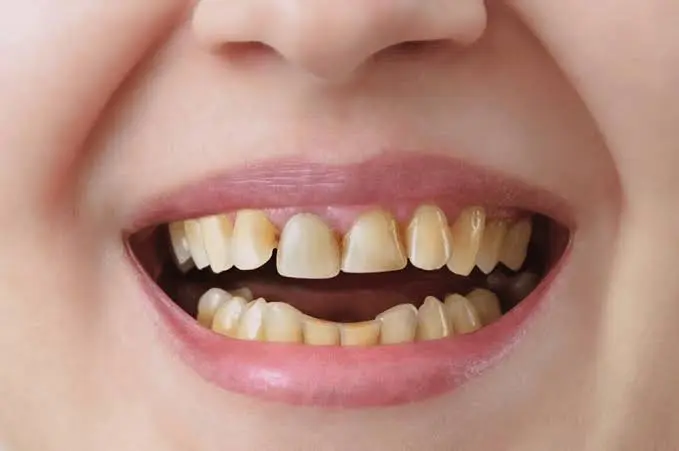
A bright smile can boost confidence, but certain foods and beverages may gradually stain your teeth over time. While tooth discoloration is common and often harmless, understanding Foods That Cause Tooth Stains can help you make informed dietary choices and protect the natural appearance of your teeth.
Staining does not always indicate poor oral health. However, maintaining good oral hygiene and limiting exposure to stain-causing foods can help keep your smile looking brighter.
Why Do Teeth Become Stained?
Tooth stains occur when colored pigments from foods and drinks attach to the outer layer of the teeth, known as enamel. Over time, repeated exposure can make these stains more noticeable.
Several factors influence tooth staining, including:
- Frequent consumption of deeply colored foods and drinks
- Poor oral hygiene
- Aging, which naturally thins enamel
- Tobacco use
- Certain medications
- Natural wear of tooth enamel
Daily brushing and regular dental cleanings can help reduce surface stains.
Foods That Cause Tooth Stains
Some foods contain strong natural or artificial pigments that may discolor teeth over time.
1. Berries
Dark-colored berries contain pigments that can stain enamel.
Examples include:
- Blueberries
- Blackberries
- Raspberries
- Cherries
Although these fruits may stain teeth, they are also rich in vitamins and antioxidants and should remain part of a balanced diet.
2. Tomato-Based Foods
Tomato sauces and similar dishes are acidic and highly pigmented.
Examples include:
- Pasta sauce
- Pizza sauce
- Tomato soup
Their acidity may temporarily soften enamel, making it easier for pigments to adhere.
3. Curry
Many curries contain spices such as turmeric, which have strong natural coloring.
Frequent consumption may contribute to gradual surface staining.
4. Soy Sauce and Dark Sauces
Dark-colored condiments may leave pigments on tooth enamel.
These include:
- Soy sauce
- Balsamic vinegar
- Dark barbecue sauce
Using them in moderation and rinsing with water afterward may help reduce staining.
5. Beetroot
Beets contain deep natural pigments that may temporarily stain the teeth.
Despite this, they are a nutritious food rich in vitamins, minerals, and antioxidants.
Drinks That Can Stain Teeth
Beverages are among the most common causes of tooth staining because they remain in contact with the teeth for extended periods.
Coffee
Coffee contains tannins that may gradually discolor enamel, especially with frequent consumption.
Tea
Black tea is often associated with tooth staining, while some herbal and green teas may also contribute, although generally to a lesser extent.
Red Wine
Red wine contains both tannins and dark pigments that can contribute to staining.
Soft Drinks
Dark-colored carbonated beverages may stain teeth due to both pigments and acidity.
Sports and Energy Drinks
Some sports and energy drinks contain coloring agents and acids that may affect the appearance of teeth.
Acidic Foods Can Increase Staining
Acidic foods may temporarily soften enamel, making it easier for pigments to attach.
Examples include:
- Citrus fruits
- Vinegar-based foods
- Carbonated beverages
This does not mean you should avoid these foods, but moderation is helpful.
Healthy Foods That Are Less Likely to Stain Teeth
Many nutritious foods are less likely to cause discoloration, including:
- Apples
- Pears
- Cucumbers
- Cauliflower
- Cheese
- Plain yogurt
- Leafy green vegetables
These foods can be part of a tooth-friendly diet.
How to Reduce Tooth Staining
You do not have to eliminate stain-causing foods completely. Instead, try these simple habits:
- Drink water after meals and beverages.
- Brush twice daily with fluoride toothpaste.
- Floss every day.
- Avoid sipping stain-causing drinks over long periods.
- Use a straw for cold beverages when appropriate.
- Visit your dentist for regular cleanings.
These habits help reduce surface stains while supporting overall oral health.
Wait Before Brushing After Acidic Foods
If you consume acidic foods or beverages, wait about 30 minutes before brushing.
Brushing immediately after acidic exposure may contribute to enamel wear because the enamel is temporarily softened.
Rinsing with water first is a good alternative.
Professional Dental Cleanings
Regular dental cleanings help remove plaque, tartar, and many surface stains.
Your dentist can also evaluate whether discoloration is caused by:
- Surface stains
- Tooth decay
- Aging
- Other dental conditions
Professional advice ensures appropriate treatment if needed.
Tooth Whitening
If stains remain despite good oral hygiene, your dentist may discuss whitening options that are suitable for your individual needs.
Professional whitening treatments are generally more effective and safer than many over-the-counter products when performed or supervised by a dental professional.
Healthy Habits for a Brighter Smile
To help maintain naturally bright teeth:
- Brush twice daily.
- Floss every day.
- Drink plenty of water.
- Eat a balanced diet.
- Limit tobacco use.
- Visit your dentist regularly.
- Enjoy stain-causing foods and drinks in moderation.
Consistency is the key to maintaining both oral health and the appearance of your smile.
When Should You See a Dentist?
Schedule a dental appointment if you notice:
- Sudden tooth discoloration
- Brown or black spots that may indicate cavities
- Tooth sensitivity
- Persistent staining that does not improve with brushing
- Changes in the color of a single tooth following an injury
A dentist can determine the cause and recommend the most appropriate treatment.
Your smile deserves expert care and personalized attention. With years of experience in advanced orthodontic treatments, Dr. Nizar Ishaq is dedicated to helping patients achieve healthier, more confident smiles through modern techniques and customized treatment plans. Whether you need routine dental care, smile correction, or specialized orthodontic solutions, booking a consultation directly with Dr. Nizar Ishaq ensures professional guidance and patient-focused care. Take the first step toward a healthier, brighter smile by scheduling your consultation today.