
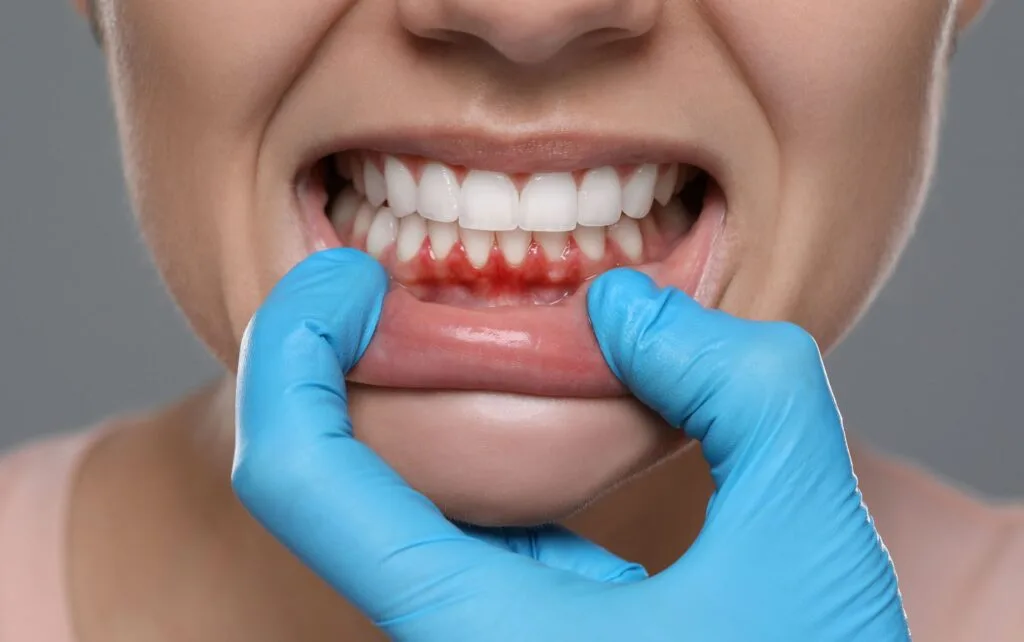
Healthy gums are essential for maintaining strong teeth and a healthy smile. They provide support for your teeth, protect the roots, and help prevent infections that can affect your overall oral health. Unfortunately, gum problems often develop gradually and may not cause significant discomfort in their early stages. Understanding Early Warning Signs of Gum Problems can help you recognize symptoms early and seek timely dental care before the condition progresses.
Early detection and proper treatment can help prevent gum disease, tooth loss, and other serious oral health complications.
Why Gum Health Matters
Your gums play an important role in protecting your teeth and the tissues that support them. Healthy gums are usually:
- Pink in color
- Firm to the touch
- Free from swelling
- Comfortable when brushing or flossing
- Tightly attached around the teeth
When gum health begins to decline, early symptoms may appear that should not be ignored.
What Causes Gum Problems?
Gum problems usually begin when plaque, a sticky film of bacteria, builds up along the gumline. If plaque is not removed through regular brushing and flossing, it can harden into tartar, increasing the risk of gum inflammation.
Other factors that may contribute include:
- Poor oral hygiene
- Tobacco use
- Diabetes
- Hormonal changes
- Certain medications
- Dry mouth
- Family history of gum disease
Understanding these risk factors can help you take preventive steps.
Early Warning Signs of Gum Problems
Recognizing the early signs allows treatment to begin before permanent damage occurs.
1. Bleeding Gums
One of the earliest signs of gum problems is bleeding while brushing or flossing.
Occasional bleeding should not be considered normal and may indicate early gum inflammation.
2. Red or Swollen Gums
Healthy gums are generally pink and firm.
Redness, puffiness, or swelling may be an early sign of gingivitis, the first stage of gum disease.
3. Persistent Bad Breath
Bad breath that continues despite brushing and flossing may be caused by bacteria trapped around the gums.
Professional dental evaluation can help identify the underlying cause.
4. Tender or Painful Gums
Healthy gums should not hurt during normal brushing or eating.
Persistent tenderness or soreness may indicate inflammation or infection.
5. Gum Recession
Gums that begin to pull away from the teeth can expose the tooth roots.
You may notice:
- Teeth appearing longer
- Increased tooth sensitivity
- Small spaces developing near the gumline
Early treatment may help slow further recession.
6. Tooth Sensitivity
Exposed tooth roots caused by gum recession can make teeth more sensitive to:
- Hot foods
- Cold drinks
- Sweet foods
- Acidic beverages
While sensitivity can have several causes, gum problems are one possible reason.
7. Plaque and Tartar Buildup
Visible plaque or hardened tartar near the gumline increases the risk of gum disease.
Professional dental cleanings remove tartar that cannot be eliminated with brushing alone.
8. Changes in the Way Teeth Fit Together
As gum disease progresses, the supporting tissues around the teeth may become affected.
You may notice:
- Teeth feeling loose
- Changes in your bite
- Difficulty chewing comfortably
These symptoms require prompt dental evaluation.
Gingivitis: The Earliest Stage of Gum Disease
Most gum disease begins as gingivitis, which affects only the gums.
Common symptoms include:
- Bleeding gums
- Redness
- Swelling
- Mild tenderness
With good oral hygiene and professional dental care, gingivitis is often reversible.
How to Prevent Gum Problems
Good daily habits greatly reduce the risk of gum disease.
Protect your gums by:
- Brushing twice daily with fluoride toothpaste
- Flossing every day
- Cleaning your tongue
- Drinking plenty of water
- Eating a balanced diet
- Avoiding tobacco products
- Visiting your dentist regularly
Consistency is essential for maintaining healthy gums.
The Importance of Professional Dental Check-Ups
Routine dental visits help identify gum problems before they become serious.
Your dentist may:
- Examine your gums
- Measure gum health
- Remove plaque and tartar
- Provide professional cleanings
- Recommend personalized oral hygiene techniques
Preventive care is one of the most effective ways to protect your gums.
Healthy Foods That Support Gum Health
A nutritious diet helps maintain healthy gums.
Include foods such as:
- Leafy green vegetables
- Citrus fruits
- Berries
- Dairy products
- Lean proteins
- Whole grains
- Nuts and seeds
Vitamin C-rich foods are particularly important for healthy gum tissue.
When Should You See a Dentist?
Schedule a dental appointment if you experience:
- Bleeding gums
- Swollen or red gums
- Persistent bad breath
- Gum recession
- Loose teeth
- Pain while chewing
- Pus around the gums
Prompt treatment helps prevent gum disease from progressing.
Long-Term Benefits of Healthy Gums
Maintaining healthy gums offers many advantages, including:
- Strong support for your teeth
- Lower risk of gum disease
- Fresher breath
- Reduced risk of tooth loss
- Improved oral health
- Greater confidence in your smile
Healthy gums are the foundation of lifelong oral health.
Your smile deserves expert care and personalized attention. With years of experience in advanced orthodontic treatments, Dr. Nizar Ishaq is dedicated to helping patients achieve healthier, more confident smiles through modern techniques and customized treatment plans. Whether you need routine dental care, smile correction, or specialized orthodontic solutions, booking a consultation directly with Dr. Nizar Ishaq ensures professional guidance and patient-focused care. Take the first step toward a healthier, brighter smile by scheduling your consultation today.