
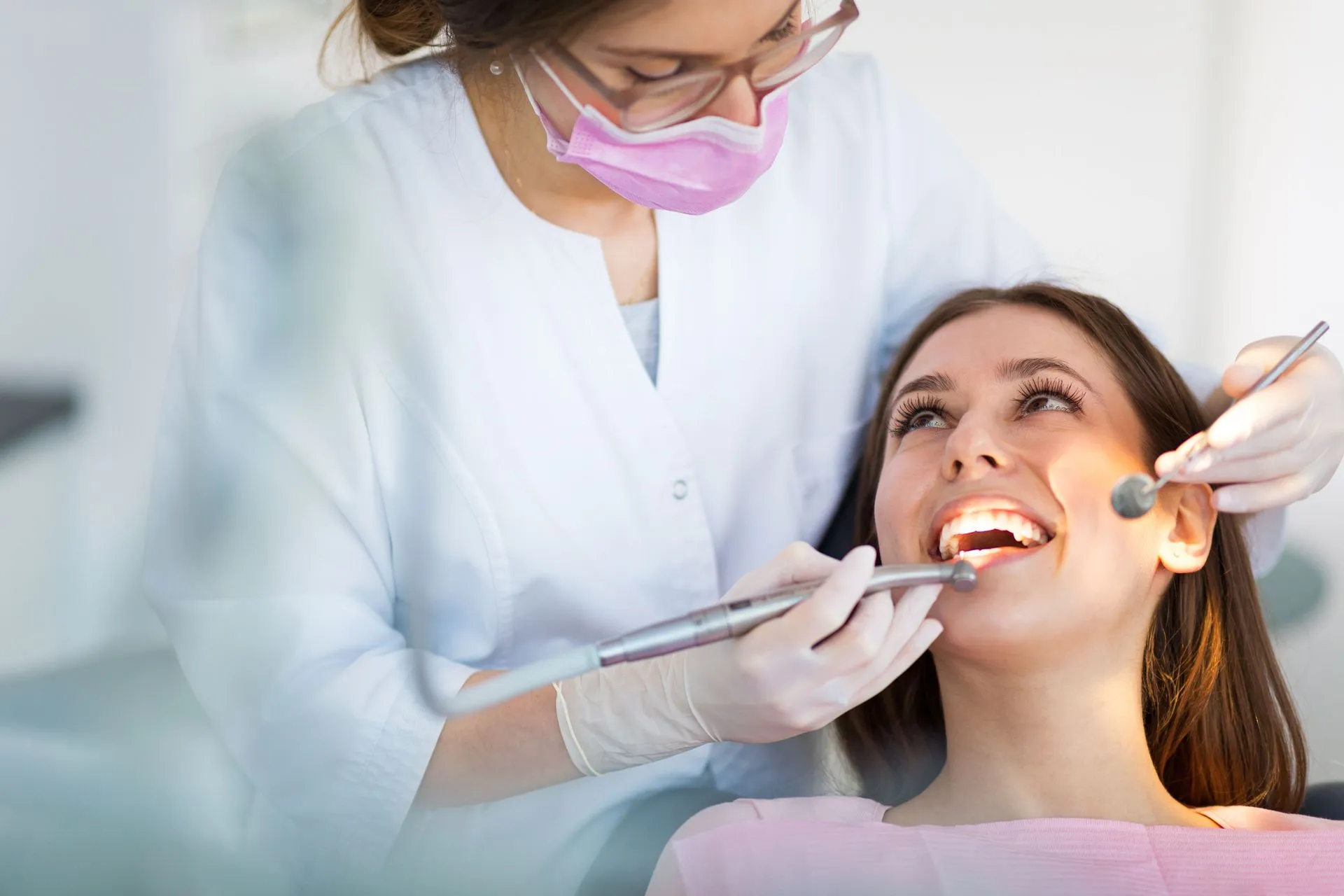
There are many myths about oral health that have been passed down through generations. While some may seem harmless, believing incorrect information can lead to poor dental habits and increase the risk of cavities, gum disease, and other oral health problems. Understanding Common Dental Myths Debunked can help you make informed decisions about your oral care and maintain a healthy smile.
Reliable dental advice should always come from qualified dental professionals and evidence-based recommendations rather than common misconceptions.
Why Dental Myths Can Be Harmful
Believing dental myths may cause people to:
- Delay necessary dental treatment
- Neglect proper oral hygiene
- Use ineffective home remedies
- Increase the risk of oral health problems
- Miss opportunities for preventive care
Knowing the facts helps you protect your teeth and gums more effectively.
Myth 1: If My Teeth Don’t Hurt, They’re Healthy
The Truth
Many dental problems develop without causing pain in the early stages. Cavities, gum disease, and even some infections may progress silently before symptoms appear.
Regular dental check-ups help detect problems before they become serious.
Myth 2: Brushing Harder Cleans Teeth Better
The Truth
Brushing too aggressively can wear down tooth enamel and irritate your gums.
Instead:
- Use a soft-bristled toothbrush.
- Brush gently using small circular motions.
- Brush for two minutes twice a day.
Gentle, consistent brushing is more effective than applying excessive pressure.
Myth 3: You Only Need to Visit the Dentist When Something Hurts
The Truth
Routine dental visits are designed to prevent problems, not just treat pain.
Regular check-ups allow your dentist to:
- Detect cavities early
- Monitor gum health
- Remove plaque and tartar
- Provide preventive care
Preventive visits can help avoid more complex treatments later.
Myth 4: Baby Teeth Don’t Matter Because They Fall Out
The Truth
Baby teeth play an important role in:
- Chewing food
- Speech development
- Guiding permanent teeth into position
- Maintaining space for adult teeth
Keeping baby teeth healthy supports proper dental development.
Myth 5: Sugar Is the Only Cause of Cavities
The Truth
Sugar contributes to cavities, but it is not the only factor.
Cavities develop when bacteria in plaque produce acids after feeding on sugars and carbohydrates. Poor oral hygiene, frequent snacking, and inadequate fluoride exposure also increase the risk.
Limiting sugary foods while maintaining good oral hygiene provides the best protection.
Myth 6: If My Gums Bleed, I Should Stop Flossing
The Truth
Bleeding gums are often an early sign of gum inflammation caused by plaque buildup.
Gentle daily flossing helps remove plaque and may improve gum health over time. However, persistent bleeding should be evaluated by a dentist.
Myth 7: Whitening Toothpaste Can Dramatically Whiten Teeth
The Truth
Whitening toothpaste primarily helps remove surface stains. It generally cannot significantly change the natural color of your teeth or provide the same results as professional whitening treatments.
If you are interested in whitening your teeth, discuss suitable options with your dentist.
Myth 8: Chewing Sugar-Free Gum Replaces Brushing
The Truth
Sugar-free gum may help stimulate saliva production, which can reduce acid levels in the mouth after meals.
However, it does not replace:
- Brushing twice daily
- Flossing every day
- Regular dental check-ups
It should only be considered a helpful addition to good oral hygiene.
Myth 9: Mouthwash Can Replace Brushing and Flossing
The Truth
Mouthwash can help freshen breath and may provide additional benefits depending on the product.
However, it cannot remove plaque as effectively as brushing and flossing.
A complete oral care routine includes:
- Brushing
- Flossing
- Mouthwash when recommended
- Regular dental visits
Myth 10: Tooth Loss Is a Normal Part of Aging
The Truth
Healthy teeth can last a lifetime with proper care.
Tooth loss is usually associated with untreated cavities, advanced gum disease, injury, or other dental conditions—not aging itself.
Good oral hygiene and preventive dental care help preserve natural teeth.
Myth 11: Dental Treatment Is Always Painful
The Truth
Modern dentistry focuses on patient comfort. Advances in techniques, local anesthesia, and technology have made many dental procedures much more comfortable than in the past.
If you feel anxious about dental treatment, discuss your concerns with your dentist, who can explain available comfort options.
Myth 12: Brushing Immediately After Acidic Foods Is Best
The Truth
After consuming acidic foods or drinks, tooth enamel becomes temporarily softened.
It is generally recommended to wait about 30 minutes before brushing. In the meantime, rinse your mouth with water to help neutralize acids.
The Importance of Evidence-Based Oral Care
The best way to protect your oral health is by following advice supported by scientific evidence.
Healthy habits include:
- Brushing twice daily with fluoride toothpaste
- Flossing every day
- Eating a balanced diet
- Drinking plenty of water
- Limiting sugary snacks and drinks
- Visiting your dentist regularly
These simple habits provide long-term protection for your teeth and gums.
When Should You See a Dentist?
Do not wait until you experience pain.
Schedule a dental appointment if you notice:
- Bleeding gums
- Tooth sensitivity
- Tooth pain
- Persistent bad breath
- Loose teeth
- Mouth sores that do not heal
- Changes in your oral health
Early evaluation allows for timely treatment and better outcomes.
Your smile deserves expert care and personalized attention. With years of experience in advanced orthodontic treatments, Dr. Nizar Ishaq is dedicated to helping patients achieve healthier, more confident smiles through modern techniques and customized treatment plans. Whether you need routine dental care, smile correction, or specialized orthodontic solutions, booking a consultation directly with Dr. Nizar Ishaq ensures professional guidance and patient-focused care. Take the first step toward a healthier, brighter smile by scheduling your consultation today.