
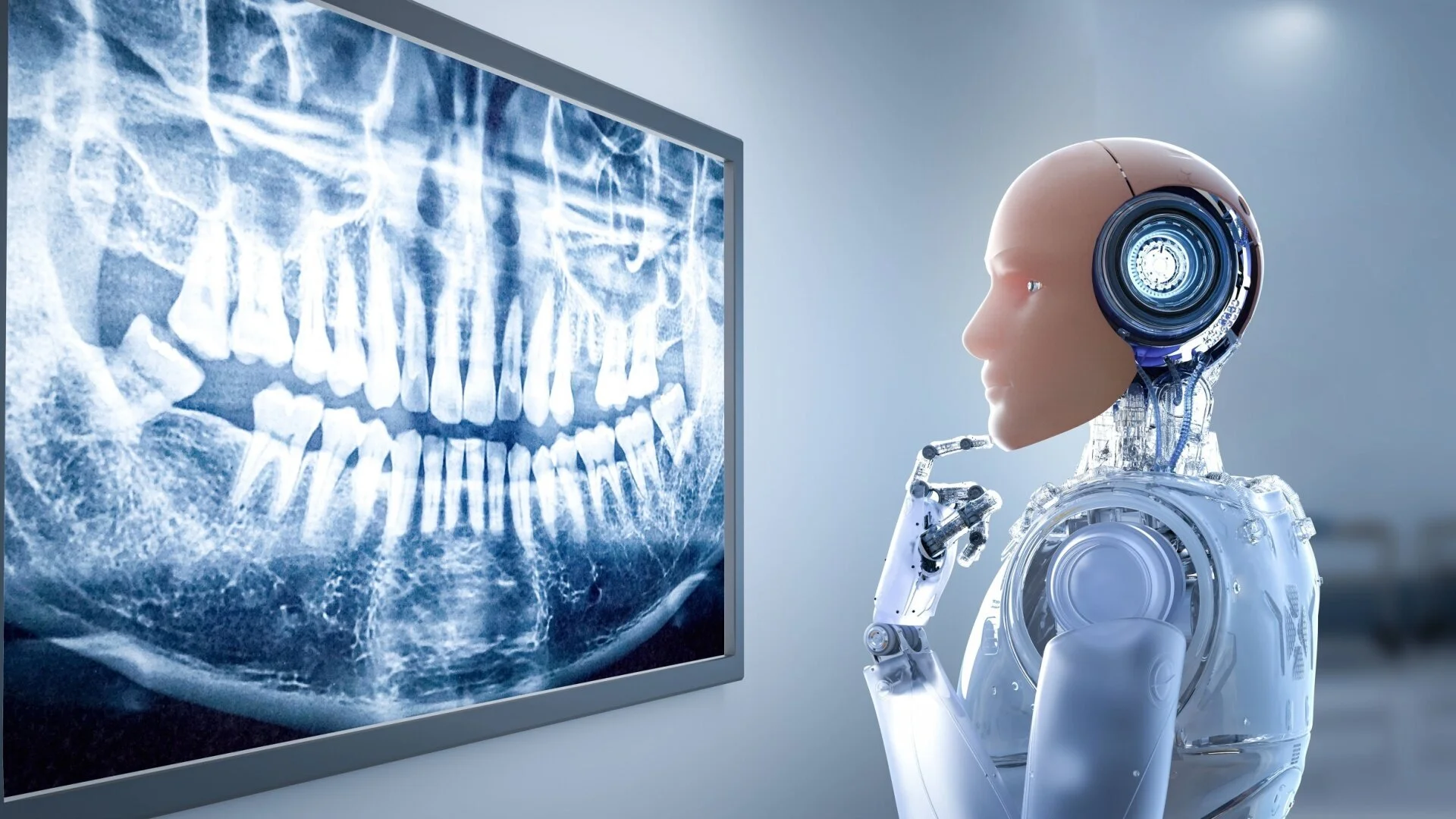
Artificial intelligence is becoming increasingly relevant in modern dentistry. AI in Dentistry: What Patients Should Know is an important topic for anyone interested in how technology may influence dental diagnosis, treatment planning, imaging, and patient care. While AI can support dental professionals by analyzing information and identifying patterns, it is not a replacement for professional judgment. Understanding its role can help patients feel more informed about technology used during dental care.
What Is Artificial Intelligence in Dentistry?
Artificial intelligence refers to computer systems that can analyze large amounts of information and identify patterns based on trained algorithms. In dentistry, AI can be used to assist with tasks involving dental images, patient records, treatment planning, and risk assessment.
Dental professionals remain responsible for interpreting findings and making clinical decisions. AI is generally used as a supporting tool rather than an independent replacement for a dentist.
The technology continues to develop, and its applications may vary between dental practices and healthcare systems.
AI and Dental Imaging
One of the most established applications of AI in dentistry is the analysis of dental images. X-rays and other imaging methods can contain detailed information that may be difficult to assess quickly.
AI-based systems can assist in identifying patterns associated with cavities, bone changes, tooth abnormalities, or other findings. These systems may highlight areas that deserve closer attention.
However, AI-generated findings should be reviewed by a qualified dental professional. An algorithm may identify a potential concern, but clinical interpretation requires consideration of symptoms, examination findings, medical history, and other information.
Supporting Early Detection
AI may help dental professionals identify certain problems at an earlier stage. By analyzing dental images and patient information, AI systems can potentially flag changes that might otherwise be overlooked.
Early detection can be valuable because many dental conditions are easier to manage when identified before they become advanced.
AI does not guarantee that every dental problem will be detected. It should be considered an additional support tool within a broader examination and diagnostic process.
AI in Treatment Planning
AI can also assist with treatment planning. In orthodontics, for example, digital technologies may help analyze tooth positions and create treatment simulations.
For clear aligner treatment, software can assist in planning a sequence of tooth movements. Similar technologies may be used in restorative dentistry and other areas to help professionals visualize possible treatment outcomes.
The final treatment plan should still be reviewed and approved by the treating dental professional based on the patient’s individual needs.
Personalized Dental Care
Every patient’s oral health needs are different. AI may help professionals analyze information and identify patterns related to an individual’s dental history and risk factors.
For example, digital systems may support risk assessment for cavities or gum disease by considering information such as previous dental findings, oral hygiene patterns, and imaging results.
This may help dental professionals provide more personalized preventive advice.
AI and Orthodontics
Orthodontics is another area where artificial intelligence and digital technology are developing rapidly. AI-assisted software can analyze photographs, scans, and dental images to evaluate tooth alignment and bite characteristics.
Digital models can also help patients visualize potential treatment changes.
These technologies may improve planning and communication, but they do not eliminate the need for professional orthodontic assessment.
Improving Dental Practice Efficiency
AI may help dental practices manage certain administrative and clinical tasks more efficiently. Automated systems can assist with appointment scheduling, documentation, patient communication, and organization of information.
Reducing repetitive administrative work may allow dental teams to spend more time focusing on patient care.
However, practices should use technology responsibly and maintain appropriate safeguards for patient information.
AI and Patient Communication
Technology can also support communication between patients and dental teams. Automated reminders and digital platforms may help patients receive appointment information, treatment instructions, or follow-up messages.
Some systems may provide educational information about dental procedures or oral hygiene.
Patients should remember that automated information is not necessarily a substitute for direct professional advice, particularly when symptoms or urgent concerns are involved.
Data Privacy and Security
AI systems often require access to patient information, including dental images and clinical records. This makes privacy and data security important considerations.
Dental practices should use appropriate safeguards when collecting, storing, processing, and sharing patient information.
Patients can ask how their information is being used, whether AI tools are involved, and what measures are in place to protect their data.
Understanding these practices can help patients make informed decisions about their healthcare.
AI Does Not Replace the Dentist
One of the most important things patients should understand about AI in dentistry is that technology does not replace the experience and judgment of a dental professional.
Dental diagnosis often requires more than recognizing patterns in an image. A dentist considers symptoms, medical history, clinical examination, patient preferences, and other factors when developing a treatment plan.
AI can provide additional information, but the professional remains responsible for interpreting that information and deciding what is appropriate.
Benefits and Limitations of AI
AI may offer several potential benefits, including faster image analysis, assistance with early detection, improved treatment planning, personalized risk assessment, and better workflow efficiency.
At the same time, AI systems have limitations. They may produce inaccurate results, miss certain findings, or interpret unusual cases incorrectly. Their performance can also depend on the quality and type of data used to train them.
For this reason, AI-generated results should be reviewed carefully by qualified professionals.
What Patients Can Ask Their Dentist
Patients who are curious about AI can ask their dental professional how technology is being used during their care.
Useful questions may include whether AI is being used to analyze dental images, whether it contributes to treatment planning, how patient information is protected, and how AI-generated findings are reviewed.
Open communication can help patients understand the role technology plays in their individual treatment.
The Future of AI in Dentistry
AI technology is likely to continue developing. Future applications may support more advanced diagnostic tools, predictive risk assessment, digital treatment planning, remote monitoring, and personalized preventive care.
As these technologies evolve, professional oversight, patient privacy, clinical validation, and responsible use will remain important.
The goal should be to use technology to complement dental expertise and improve patient care rather than replace the human relationship between patients and dental professionals.
Your smile deserves expert care and personalized attention. With years of experience in advanced orthodontic treatments, Dr. Nizar Ishaq is dedicated to helping patients achieve healthier, more confident smiles through modern techniques and customized treatment plans. Whether you need routine dental care, smile correction, or specialized orthodontic solutions, booking a consultation directly with Dr. Nizar Ishaq ensures professional guidance and patient-focused care. Take the first step toward a healthier, brighter smile by scheduling your consultation today.