
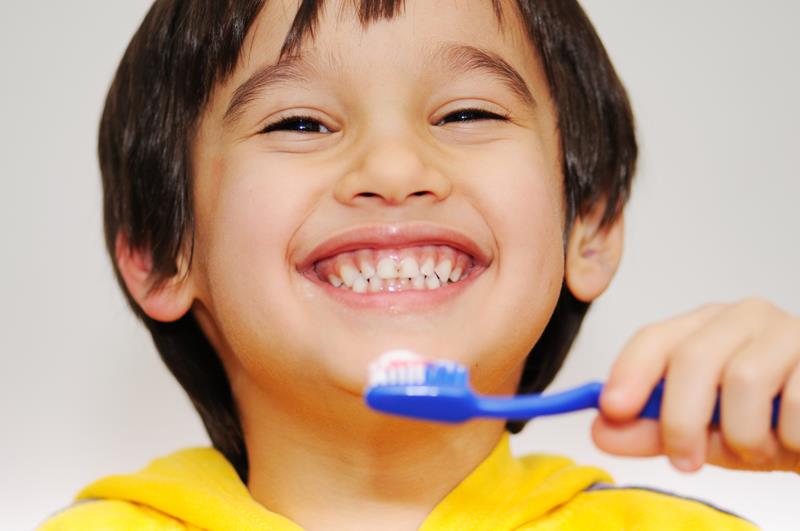
Oral health is a vital part of overall well-being, yet many people experience dental issues at some point in their lives. From cavities to gum disease, these problems can cause discomfort, affect confidence, and lead to more serious health concerns if left untreated. Understanding common dental problems and how to avoid them empowers you to take proactive steps toward maintaining a healthy smile.
With proper care, most dental issues are preventable. The key lies in consistent habits, regular check-ups, and informed lifestyle choices.
1. Tooth Decay (Cavities)
Tooth decay is one of the most widespread dental problems. It occurs when bacteria in the mouth produce acids that erode the enamel, leading to cavities.
Causes:
- Frequent consumption of sugary foods and drinks
- Poor brushing and flossing habits
- Plaque buildup
How to Avoid:
- Brush twice daily with fluoride toothpaste
- Floss regularly to remove food particles
- Limit sugar intake
- Visit the dentist for routine cleanings
Early detection can prevent cavities from progressing into more serious conditions.
2. Gum Disease (Gingivitis and Periodontitis)
Gum disease begins with gingivitis, which causes redness, swelling, and bleeding gums. If untreated, it can progress to periodontitis, a more severe condition that can lead to tooth loss.
Causes:
- Poor oral hygiene
- Plaque and tartar buildup
- Smoking
How to Avoid:
- Maintain a consistent oral hygiene routine
- Use an antimicrobial mouthwash
- Avoid tobacco products
- Schedule regular dental check-ups
Healthy gums are essential for strong teeth and overall oral health.
3. Tooth Sensitivity
Tooth sensitivity occurs when the protective enamel wears down, exposing the inner layers of the tooth. This can cause discomfort when consuming hot, cold, or sweet foods.
Causes:
- Aggressive brushing
- Enamel erosion
- Gum recession
How to Avoid:
- Use a soft-bristled toothbrush
- Avoid overly acidic foods and drinks
- Use toothpaste designed for sensitive teeth
- Follow gentle brushing techniques
Addressing sensitivity early can prevent further damage.
4. Bad Breath (Halitosis)
Persistent bad breath can be embarrassing and may indicate underlying dental issues.
Causes:
- Poor oral hygiene
- Food particles trapped between teeth
- Dry mouth
- Gum disease
How to Avoid:
- Brush and floss daily
- Clean your tongue regularly
- Stay hydrated
- Use mouthwash when needed
Maintaining cleanliness is the most effective way to keep breath fresh.
5. Plaque and Tartar Buildup
Plaque is a sticky film of bacteria that forms on teeth. If not removed, it hardens into tartar, which can only be removed by a dental professional.
Causes:
- Inadequate brushing and flossing
- Poor diet
How to Avoid:
- Brush thoroughly at least twice a day
- Floss daily
- Schedule professional cleanings
Preventing plaque buildup is key to avoiding many dental problems.
6. Tooth Erosion
Tooth erosion occurs when acids wear away the enamel, making teeth more vulnerable to decay and sensitivity.
Causes:
- Acidic foods and beverages
- Frequent consumption of soft drinks
- Acid reflux
How to Avoid:
- Limit acidic foods and drinks
- Rinse your mouth with water after consumption
- Wait before brushing after acidic meals
Protecting enamel helps maintain strong, healthy teeth.
7. Tooth Grinding (Bruxism)
Teeth grinding often occurs during sleep and can lead to worn enamel, jaw pain, and headaches.
Causes:
- Stress and anxiety
- Misaligned teeth
- Sleep disorders
How to Avoid:
- Manage stress through relaxation techniques
- Use a night guard if recommended
- Consult a dental professional for evaluation
Addressing bruxism early prevents long-term damage.
8. Stained or Discolored Teeth
Tooth discoloration can affect the appearance of your smile and may result from lifestyle habits.
Causes:
- Coffee, tea, and red wine
- Smoking
- Poor oral hygiene
How to Avoid:
- Limit staining foods and beverages
- Brush regularly
- Consider professional cleaning or whitening options
Maintaining good habits helps keep teeth bright and healthy.
9. Dry Mouth
Saliva plays a crucial role in neutralizing acids and washing away bacteria. A lack of saliva can increase the risk of dental problems.
Causes:
- Dehydration
- Certain medications
- Medical conditions
How to Avoid:
- Drink plenty of water
- Chew sugar-free gum
- Avoid alcohol and tobacco
Keeping your mouth hydrated supports overall oral health.
10. Misaligned Teeth
Crooked or crowded teeth can make cleaning difficult and increase the risk of decay and gum disease.
Causes:
- Genetics
- Childhood habits
- Jaw development issues
How to Avoid:
- Seek early orthodontic evaluation
- Maintain good oral hygiene
Correcting alignment improves both function and aesthetics.
The Importance of Preventive Care
Preventive care is the most effective way to avoid dental problems. This includes:
- Regular dental check-ups
- Professional cleanings
- Early treatment of minor issues
Preventive measures save time, reduce costs, and protect long-term oral health.
Building Healthy Daily Habits
Daily habits play a major role in maintaining oral health. Key practices include:
- Brushing twice daily
- Flossing regularly
- Eating a balanced diet
- Avoiding harmful habits like smoking
Consistency is the foundation of a healthy smile.
Your smile deserves expert care and personalized attention. With years of experience in advanced orthodontic treatments,Dr. Nizar Ishaq is dedicated to helping patients achieve healthier, more confident smiles through modern techniques and customized treatment plans. Whether you need routine dental care, smile correction, or specialized orthodontic solutions, booking a consultation directly with Dr. Nizar Ishaq ensures professional guidance and patient-focused care. Take the first step toward a healthier, brighter smile by scheduling your consultation today.