
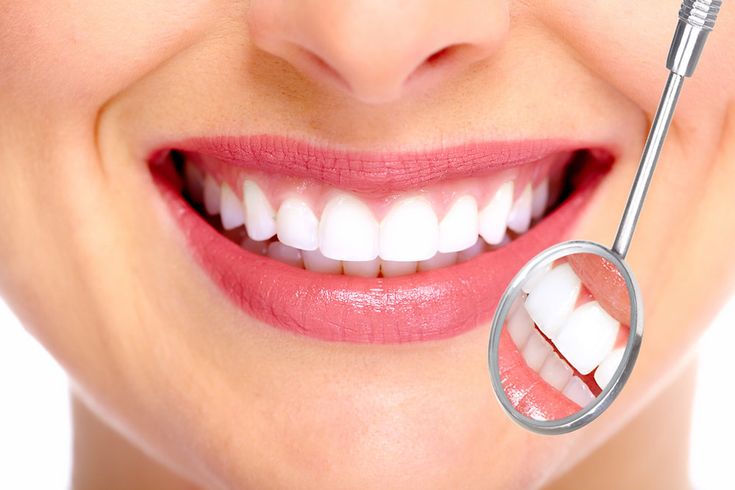
Dental health is a vital part of overall well-being, yet many people experience preventable oral issues due to neglect or lack of awareness. Understanding common dental problems and prevention tips can help individuals protect their teeth and gums, maintain a healthy smile, and avoid painful or costly treatments. By recognizing potential dental issues and adopting proactive care habits, you can significantly improve your oral health and quality of life.
Common Dental Problems
Dental problems can range from minor irritations to serious conditions that require professional treatment. Here are some of the most common issues people face:
1. Tooth Decay (Cavities)
Tooth decay is one of the most prevalent dental problems worldwide. It occurs when acids produced by bacteria in plaque erode the enamel, leading to cavities. If left untreated, decay can reach the inner layers of the tooth, causing pain, infection, and even tooth loss.
Symptoms: Sensitivity to hot or cold foods, visible holes or pits in teeth, toothache.
2. Gum Disease (Gingivitis and Periodontitis)
Gum disease begins with gingivitis, an inflammation of the gums caused by plaque buildup. If untreated, it can progress to periodontitis, a severe condition that damages the gums and bone supporting the teeth, potentially leading to tooth loss.
Symptoms: Red, swollen, or bleeding gums, bad breath, receding gums, loose teeth.
3. Tooth Sensitivity
Tooth sensitivity occurs when the enamel wears down or the gums recede, exposing the dentin. This leads to sharp pain when consuming hot, cold, sweet, or acidic foods. Sensitivity can result from aggressive brushing, enamel erosion, cavities, or gum disease.
Symptoms: Pain or discomfort when eating or drinking certain foods or beverages.
4. Bad Breath (Halitosis)
Chronic bad breath is often caused by poor oral hygiene, gum disease, or bacterial buildup on the tongue. It can also result from certain foods, tobacco use, or underlying health conditions.
Symptoms: Persistent foul odor from the mouth, even after brushing or using mouthwash.
5. Tooth Erosion
Tooth erosion occurs when acids wear away the enamel. Common causes include acidic foods and beverages, acid reflux, or excessive consumption of soft drinks. Over time, erosion weakens teeth and increases sensitivity.
Symptoms: Smooth or shiny enamel, increased tooth sensitivity, yellowing of teeth.
6. Cracked or Chipped Teeth
Teeth can crack or chip due to injury, biting hard objects, or teeth grinding (bruxism). Even minor damage can lead to pain, sensitivity, or infection if not treated.
Symptoms: Pain when biting, visible cracks or chips, rough edges on teeth.
7. Oral Infections and Abscesses
Infections can occur in the teeth, gums, or surrounding tissues due to untreated decay, injury, or gum disease. Abscesses are painful collections of pus that require immediate dental attention.
Symptoms: Severe toothache, swelling, fever, pus, or bad taste in the mouth.
Prevention Tips for Common Dental Problems
Preventing dental issues requires consistent care, good habits, and regular dental visits. Here are effective tips to maintain oral health:
1. Practice Proper Oral Hygiene
Brushing at least twice a day with fluoride toothpaste and flossing daily removes plaque and prevents cavities and gum disease. Use a soft-bristled toothbrush and gentle circular motions to avoid damaging enamel and gums.
2. Clean Your Tongue
Bacteria on the tongue contribute to bad breath and plaque buildup. Use a tongue scraper or your toothbrush to clean your tongue daily.
3. Eat a Balanced Diet
Limit sugary and acidic foods, which promote tooth decay and enamel erosion. Include calcium-rich foods, fresh vegetables, and fruits to strengthen teeth and support healthy gums.
4. Stay Hydrated
Drinking plenty of water helps wash away food particles and bacteria while maintaining saliva flow, which naturally protects teeth from decay.
5. Avoid Harmful Habits
Tobacco use, excessive alcohol, and chewing hard objects can damage teeth and gums. Reducing these habits helps prevent oral health issues.
6. Use Mouthwash
Antimicrobial or fluoride mouthwashes reduce bacteria, strengthen enamel, and freshen breath. Incorporating mouthwash into your routine complements brushing and flossing.
7. Protect Your Teeth
If you play contact sports or grind your teeth at night, wear a mouthguard to prevent injuries and enamel wear.
8. Schedule Regular Dental Check-Ups
Visiting the dentist every six months allows for early detection of cavities, gum disease, and other oral issues. Professional cleanings remove tartar and plaque that cannot be eliminated by brushing alone.
9. Address Problems Early
Don’t ignore warning signs like tooth pain, bleeding gums, or sensitivity. Prompt treatment prevents minor issues from becoming severe dental emergencies.
Your smile deserves expert care and personalized attention. With years of experience in advanced orthodontic treatments,Dr. Nizar Ishaq is dedicated to helping patients achieve healthier, more confident smiles through modern techniques and customized treatment plans. Whether you need routine dental care, smile correction, or specialized orthodontic solutions, booking a consultation directly with Dr. Nizar Ishaq ensures professional guidance and patient-focused care. Take the first step toward a healthier, brighter smile by scheduling your consultation today.