
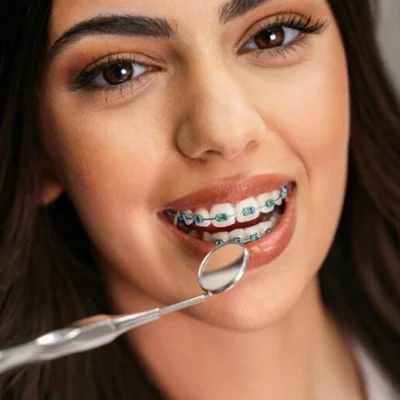
A well-aligned set of teeth is important not only for appearance but also for proper chewing, speaking, and long-term oral health. Orthodontic issues are quite common, and many people may not realize they have alignment problems until they become more noticeable.
Learning the common signs that you may need braces helps you identify potential dental issues early and seek timely orthodontic care for better results.
Why Proper Tooth Alignment Is Important
When teeth are properly aligned, the mouth functions more efficiently and is easier to keep clean. Misaligned teeth can create areas where plaque and food easily get trapped.
Correct alignment supports:
- Easier brushing and flossing
- Better chewing and digestion
- Reduced risk of tooth decay
- Even pressure across teeth
- Improved smile balance
Addressing alignment problems early helps avoid future complications.
1. Teeth That Appear Crooked
Crooked teeth are one of the most common reasons people need braces. Teeth may grow at angles or overlap due to lack of space or genetic factors.
Possible effects include:
- Difficulty cleaning between teeth
- Increased plaque buildup
- Uneven smile appearance
- Higher chance of cavities
Braces help guide teeth into a straighter, more balanced position.
2. Crowded Teeth
Crowding happens when there is not enough space in the jaw for all teeth to fit properly, causing them to twist or overlap.
Signs include:
- Overlapping teeth
- Tight spacing between teeth
- Difficulty flossing properly
- Increased buildup of food particles
Orthodontic treatment creates proper spacing and improves alignment.
3. Noticeable Gaps Between Teeth
Some people have extra space between teeth, which can affect both appearance and bite function.
Common causes include:
- Jaw size differences
- Missing teeth
- Childhood oral habits
Braces help close these gaps and improve overall alignment.
4. Overbite Issues
An overbite occurs when the upper front teeth extend too far over the lower teeth.
This may lead to:
- Excess wear on lower teeth
- Jaw discomfort
- Difficulty biting properly
- Aesthetic imbalance
Braces help adjust the bite to a more natural position.
5. Underbite Concerns
An underbite happens when the lower teeth extend beyond the upper teeth.
Possible effects:
- Chewing difficulty
- Speech challenges
- Jaw strain or discomfort
- Uneven tooth wear
Orthodontic correction improves both function and appearance.
6. Crossbite Problems
A crossbite occurs when upper teeth sit inside the lower teeth when biting down.
This condition may cause:
- Uneven wear on teeth
- Jaw misalignment
- Gum irritation
- Chewing difficulties
Early treatment helps prevent long-term dental damage.
7. Difficulty While Chewing
If chewing feels uncomfortable or uneven, it may be a sign of bite misalignment.
Indicators include:
- Food getting stuck while chewing
- Uneven pressure on teeth
- Jaw discomfort when eating
Braces can help restore balanced bite function.
8. Jaw Pain or Clicking Sounds
Pain or clicking in the jaw joint may be linked to orthodontic problems.
Possible reasons include:
- Misaligned bite
- Jaw joint stress
- Muscle strain
Correcting alignment can reduce discomfort over time.
9. Speech Difficulties
Tooth and jaw positioning can influence how clearly a person speaks.
Signs may include:
- Difficulty pronouncing certain sounds
- Lisping or unclear speech
- Air escaping while speaking
Orthodontic correction may improve speech clarity.
10. Biting Cheeks or Tongue Frequently
Accidentally biting the inner cheeks or tongue can indicate poor tooth alignment.
This may result in:
- Mouth irritation
- Small injuries inside the mouth
- Difficulty chewing comfortably
Braces help reposition teeth for safer alignment.
11. Uneven Tooth Wear
When teeth are not aligned properly, some areas may wear down faster than others.
Effects include:
- Flattened or chipped teeth
- Tooth sensitivity
- Weak enamel spots
Proper alignment helps distribute biting pressure evenly.
12. Feeling Unsatisfied With Your Smile
Sometimes alignment issues are visible and affect confidence, even if they do not cause pain.
This may impact:
- Self-confidence
- Social interactions
- Smile appearance
Braces can improve both dental function and aesthetics.
Why Early Orthodontic Checkups Are Important
Early evaluation helps identify alignment issues before they become more complex.
Benefits include:
- Easier treatment planning
- Shorter treatment duration
- Better jaw development guidance
- Prevention of severe dental issues
Regular dental visits help detect problems at an early stage.
Your smile deserves expert care and personalized attention. With years of experience in advanced orthodontic treatments, Dr. Nizar Ishaq is dedicated to helping patients achieve healthier, more confident smiles through modern techniques and customized treatment plans. Whether you need routine dental care, smile correction, or specialized orthodontic solutions, booking a consultation directly with Dr. Nizar Ishaq ensures professional guidance and patient-focused care. Take the first step toward a healthier, brighter smile by scheduling your consultation today.