
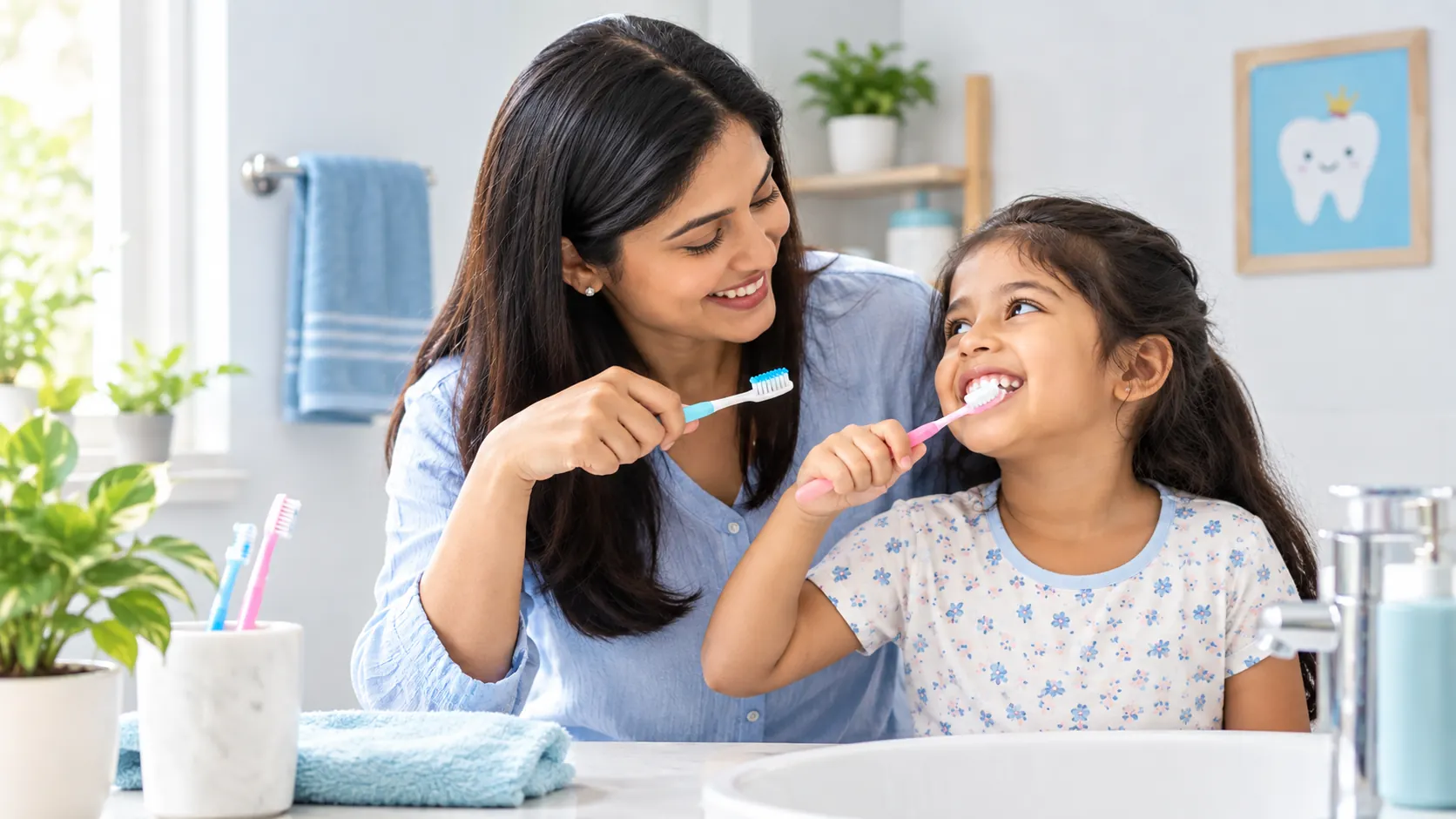
Good dental habits developed during childhood can create a strong foundation for lifelong oral health. Parents play an important role in teaching children how to care for their teeth, choose healthy foods, and understand the importance of regular dental visits. Simple routines introduced at an early age can help reduce the risk of cavities, gum problems, and other oral health concerns.
Children may not always understand why dental care matters, so parents can make these habits easier by turning them into consistent and positive daily routines.
Start Brushing From an Early Age
Parents should introduce oral cleaning as soon as a child’s first tooth appears. Young children need help with brushing because they may not have the coordination required to clean every area effectively.
Brushing twice a day helps remove plaque and food particles from the teeth. Parents should supervise young children and gradually teach them how to brush properly as they become more independent.
Using an age-appropriate toothbrush and fluoride toothpaste can support effective daily cleaning.
Teach Proper Brushing Techniques
Simply brushing the teeth is not enough if the technique is ineffective. Parents can demonstrate gentle circular or short brushing movements and encourage children to clean all accessible tooth surfaces.
The front, back, and chewing surfaces of the teeth should receive attention. Children should also be encouraged to brush for approximately two minutes.
Making brushing enjoyable through songs, timers, or colorful toothbrushes can help children develop a consistent routine.
Encourage Cleaning Between Teeth
As children grow and their teeth become closer together, cleaning between them becomes increasingly important. Parents can introduce flossing or suitable interdental cleaning methods when appropriate.
Young children may need parental assistance because cleaning between teeth requires coordination and patience. Teaching this habit early can help children understand that oral hygiene involves more than brushing alone.
Limit Sugary Snacks and Drinks
Frequent exposure to sugar can increase the risk of tooth decay. Parents can help children develop healthier eating habits by limiting sugary snacks, sweets, and drinks.
Instead of allowing children to snack on sugary foods throughout the day, parents can encourage balanced meals and nutritious snack choices. Water can also be encouraged as a regular drink.
Reducing how frequently teeth are exposed to sugar is an important part of cavity prevention.
Encourage Drinking Water
Water is a simple and useful choice for maintaining oral health. Drinking water can help wash away food particles and support normal saliva production.
Encouraging children to choose water instead of frequently consuming sugary beverages can support healthier teeth. Making water readily available at home can help turn this choice into a natural habit.
Teach Children Not to Use Teeth as Tools
Children may sometimes use their teeth to open packages, bite objects, or chew on items that are not meant to be eaten. These habits can cause chips, cracks, or other dental injuries.
Parents should teach children to use their hands and appropriate tools instead of their teeth when opening or handling objects.
This simple lesson can help prevent avoidable damage to developing teeth.
Make Dental Visits Routine
Regular dental appointments should become a normal part of childhood healthcare. Dental visits allow professionals to monitor the development of teeth and gums and identify potential concerns at an early stage.
Parents can make appointments less intimidating by speaking positively about dental care and avoiding language that may create unnecessary fear.
Regular visits can also help children become familiar with the dental environment.
Teach Children to Recognize Dental Problems
Children should learn to tell a parent when something feels unusual in their mouth. Toothache, sensitivity, bleeding gums, swelling, unusual spots, or discomfort while eating should not be ignored.
Teaching children to communicate these symptoms can help parents seek professional advice sooner.
Early attention may help prevent minor problems from becoming more complicated.
Discourage Thumb Sucking and Harmful Oral Habits
Thumb sucking and prolonged pacifier use can affect oral development in some children, particularly when these habits continue beyond early childhood.
Parents should discuss these habits with a dental professional if they are concerned about their child’s teeth or jaw development. Guidance can help families approach habit changes in an age-appropriate and supportive way.
Protect Teeth During Sports
Children who participate in contact or high-impact sports may benefit from wearing a properly fitted mouthguard. A mouthguard can help reduce the risk of dental injuries during physical activities.
Parents should encourage children to use appropriate protective equipment and understand the importance of protecting their teeth during sports.
Replace Toothbrushes Regularly
A worn toothbrush may not clean teeth as effectively as a new one. Parents should monitor the condition of their child’s toothbrush and replace it when the bristles become worn or damaged.
Children may also enjoy choosing a toothbrush featuring their favorite colors or characters, which can make replacing their toothbrush a more positive experience.
Lead by Example
Children often learn by watching their parents. When parents brush their own teeth regularly, make healthy food choices, attend dental appointments, and practice good oral hygiene, children are more likely to view these behaviors as normal.
Family brushing routines can make dental care feel less like a chore and more like an everyday activity.
Create a Positive Dental Routine
Consistency is one of the most important parts of children’s oral care. Parents can establish morning and bedtime routines that include brushing and other appropriate oral hygiene practices.
Positive encouragement can be more effective than criticism when children are learning. Praising good habits can motivate children to continue caring for their teeth.
Your smile deserves expert care and personalized attention. With years of experience in advanced orthodontic treatments, Dr. Nizar Ishaq is dedicated to helping patients achieve healthier, more confident smiles through modern techniques and customized treatment plans. Whether you need routine dental care, smile correction, or specialized orthodontic solutions, booking a consultation directly with Dr. Nizar Ishaq ensures professional guidance and patient-focused care. Take the first step toward a healthier, brighter smile by scheduling your consultation today.