
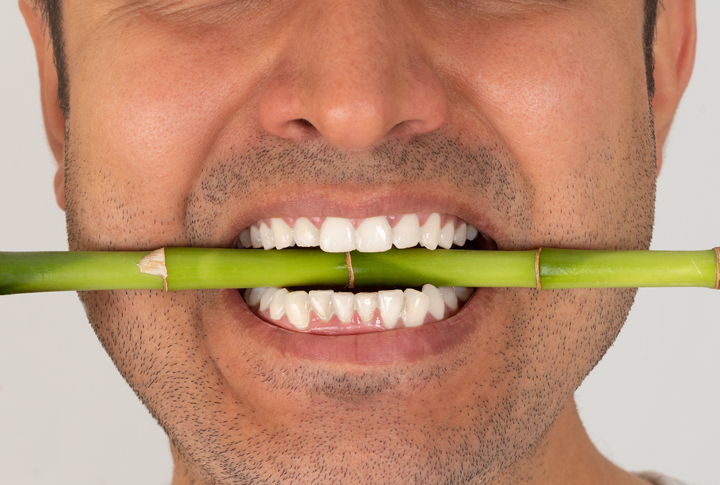
Strong and healthy teeth are essential for eating, speaking, smiling, and maintaining overall well-being. Good oral health not only improves appearance and confidence but also helps prevent common dental problems such as cavities, gum disease, tooth sensitivity, and enamel erosion. Maintaining strong teeth requires consistent care, healthy habits, and preventive practices that protect the mouth over time.
Many dental issues develop gradually due to poor oral hygiene, unhealthy diets, or neglected preventive care. Fortunately, simple daily habits can significantly improve oral health and help preserve strong teeth throughout life. Understanding healthy practices for strong teeth allows individuals to make better decisions that support long-term dental wellness.
Brush Teeth Properly Every Day
Brushing is one of the most important habits for maintaining strong teeth. Proper brushing removes plaque, bacteria, and food particles that accumulate on tooth surfaces during the day.
Teeth should ideally be brushed at least twice daily using fluoride toothpaste and a soft-bristled toothbrush. Brushing for two minutes helps ensure all areas of the mouth are cleaned effectively.
Gentle circular motions are generally recommended because aggressive brushing may damage enamel and irritate gums. Paying attention to the gumline and back teeth can also improve overall cleaning results.
Use Fluoride for Enamel Protection
Fluoride is a mineral that helps strengthen enamel and reduce the risk of tooth decay. It supports the natural repair process of enamel and helps teeth resist acid attacks caused by bacteria and sugary foods.
Using fluoride toothpaste regularly is one of the simplest ways to support stronger teeth. Fluoride-containing mouthwash may also provide additional protection for some individuals.
Consistent fluoride exposure can play a major role in maintaining healthy enamel over time.
Floss Daily for Better Oral Hygiene
Brushing alone cannot fully clean the spaces between teeth. Plaque and food debris often collect in areas that toothbrush bristles cannot easily reach.
Daily flossing helps remove bacteria and plaque from between teeth and along the gumline. This practice supports healthier gums and reduces the risk of cavities between teeth.
Regular flossing is an essential part of a complete oral hygiene routine and contributes significantly to long-term dental health.
Eat a Tooth-Friendly Diet
Nutrition strongly influences oral health. Healthy foods provide essential nutrients that support enamel strength, gum health, and overall oral wellness.
Foods beneficial for strong teeth include:
- Dairy products rich in calcium
- Leafy green vegetables
- Nuts and seeds
- Yogurt
- Fish rich in vitamin D
- Crunchy fruits and vegetables
These foods help provide important minerals and vitamins needed for maintaining strong teeth and healthy gums.
Limiting sugary snacks and processed foods can also reduce the risk of tooth decay.
Reduce Sugar Consumption
Excessive sugar intake is one of the leading causes of cavities. Harmful bacteria in the mouth feed on sugar and produce acids that weaken enamel.
Frequent exposure to sugary foods and beverages increases the likelihood of plaque buildup and tooth decay. Soft drinks, candy, sweetened coffee drinks, and processed snacks are common sources of hidden sugar.
Reducing sugar intake and rinsing the mouth with water after meals can help protect teeth from acid damage.
Drink Plenty of Water
Water plays an important role in maintaining oral health. Drinking water throughout the day helps wash away food particles, acids, and bacteria from the mouth.
Proper hydration also supports saliva production. Saliva naturally protects teeth by neutralizing acids and helping prevent dry mouth.
Choosing water instead of sugary or acidic beverages can greatly benefit dental health and help maintain stronger teeth.
Avoid Smoking and Tobacco Products
Smoking and tobacco use can severely damage oral health. These habits increase the risk of gum disease, tooth discoloration, bad breath, and oral tissue problems.
Tobacco products may also reduce blood flow to the gums, making healing more difficult and increasing the risk of tooth loss.
Avoiding smoking supports healthier gums, fresher breath, and improved long-term oral wellness.
Limit Acidic Foods and Drinks
Acidic foods and beverages can gradually wear down tooth enamel, leading to sensitivity and increased cavity risk.
Common acidic products include:
- Soft drinks
- Citrus juices
- Energy drinks
- Sports drinks
Reducing the frequency of acidic beverages and rinsing with water afterward can help protect enamel from erosion.
Using a straw for acidic drinks may also minimize direct contact with teeth.
Maintain Regular Dental Checkups
Preventive dental visits are essential for maintaining strong teeth. Routine examinations and professional cleanings help identify problems early before they become severe.
Professional cleanings remove plaque and tartar buildup that cannot be fully eliminated through home care alone.
Regular dental checkups support early detection of:
- Cavities
- Gum disease
- Enamel wear
- Oral infections
- Bite problems
Early treatment helps preserve healthier teeth and reduces the need for complex procedures later.
Protect Teeth During Physical Activities
Sports and physical activities can increase the risk of dental injuries. Wearing a mouthguard during contact sports helps protect teeth from fractures and trauma.
Preventive protection is especially important for children, teenagers, and athletes who participate in high-impact activities.
Protecting teeth from injury supports long-term oral health and function.
Avoid Teeth Grinding
Teeth grinding, also known as bruxism, can wear down enamel and damage teeth over time. Stress and poor sleep habits are common contributors to grinding.
People who grind their teeth may experience:
- Tooth sensitivity
- Jaw pain
- Headaches
- Enamel wear
Managing stress and seeking professional evaluation when needed may help reduce the effects of grinding.
Protective night guards may also help preserve enamel and reduce strain on teeth.
Maintain Healthy Gums
Strong teeth rely on healthy gums for support and stability. Gum disease can weaken the structures that hold teeth in place and increase the risk of tooth loss.
Healthy gum care includes:
- Regular brushing and flossing
- Professional cleanings
- Healthy nutrition
- Avoiding smoking
Maintaining healthy gums is an important part of preserving strong teeth throughout life.
Teach Healthy Habits Early
Children who learn proper oral hygiene practices at an early age are more likely to maintain healthier teeth into adulthood.
Parents and caregivers can encourage:
- Consistent brushing routines
- Healthy food choices
- Regular dental visits
- Positive attitudes toward oral care
Early education helps build lifelong habits that support strong teeth and better oral health.
Prioritize Preventive Care
Preventive oral care is more effective than treating advanced dental problems. Consistent daily habits and regular professional care can significantly reduce the risk of cavities, gum disease, and tooth damage.
Healthy practices for strong teeth involve a combination of hygiene, nutrition, hydration, and lifestyle awareness.
Protecting oral health through prevention helps maintain comfort, confidence, and overall wellness.
Your smile deserves expert care and personalized attention. With years of experience in advanced orthodontic treatments, Dr. Nizar Ishaq is dedicated to helping patients achieve healthier, more confident smiles through modern techniques and customized treatment plans. Whether you need routine dental care, smile correction, or specialized orthodontic solutions, booking a consultation directly with Dr. Nizar Ishaq ensures professional guidance and patient-focused care. Take the first step toward a healthier, brighter smile by scheduling your consultation today.