
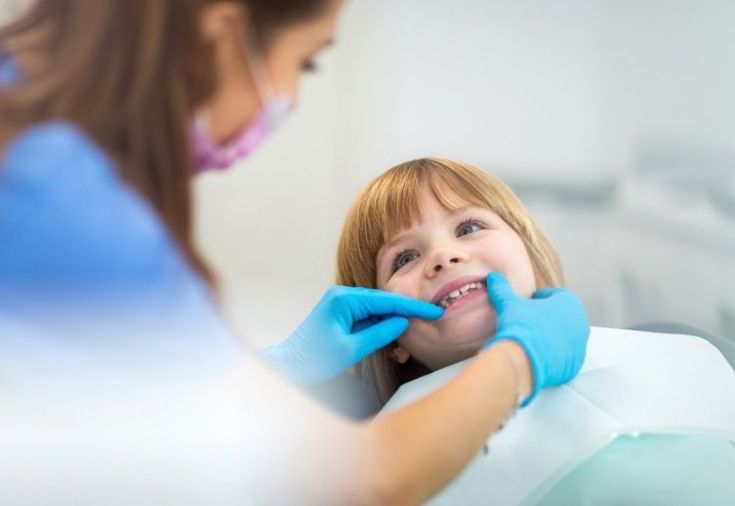
Good dental health is built through consistent everyday habits. Brushing once in a while or visiting a dentist only when something hurts may not provide enough protection against common oral health problems. Developing Healthy Routines That Improve Dental Health can help reduce plaque buildup, protect tooth enamel, support healthy gums, and maintain a comfortable smile over time.
Start the Day With Good Oral Hygiene
Morning oral care is an important part of a healthy routine. Brushing with fluoride toothpaste helps remove plaque and bacteria that accumulate while sleeping.
A soft-bristled toothbrush should be used with gentle movements, covering the outer, inner, and chewing surfaces of the teeth. Brushing should generally take about two minutes.
Starting the day with good oral hygiene also helps create a consistent habit that is easier to maintain over time.
Brush Twice Every Day
Brushing twice a day is one of the most effective ways to maintain dental health. The recommended routine generally includes brushing in the morning and before going to bed.
Nighttime brushing is particularly important because it removes food particles and plaque accumulated throughout the day. After brushing at night, avoiding additional food and sugary drinks can help maintain a cleaner oral environment.
Use Fluoride Toothpaste
Fluoride helps strengthen tooth enamel and provides protection against tooth decay. Choosing a fluoride toothpaste appropriate for the individual’s age and needs can support cavity prevention.
After brushing, toothpaste should generally be spit out rather than swallowed. People with specific dental concerns can ask a dental professional whether a particular fluoride product is appropriate.
Clean Between Your Teeth
Plaque can accumulate between teeth where a toothbrush cannot reach effectively. Flossing or using another suitable interdental cleaning tool can help remove this buildup.
Cleaning between the teeth regularly can support gum health and reduce the risk of cavities developing in difficult-to-reach areas.
Clean the Tongue Gently
The tongue can collect bacteria and food debris. Gently cleaning its surface can complement regular brushing and help the mouth feel fresher.
A toothbrush or tongue cleaner can be used according to personal preference. Excessive pressure should be avoided because aggressive scraping can irritate the tongue.
Drink Plenty of Water
Water is a simple and effective choice for maintaining oral health. It helps keep the mouth hydrated and can assist in washing away food particles.
Replacing frequent sugary beverages with water can also reduce exposure to sugars and acids that may contribute to tooth decay and enamel erosion.
Choose Tooth-Friendly Foods
A balanced diet supports both oral and general health. Fruits, vegetables, whole grains, protein-rich foods, and appropriate sources of calcium can be part of a nutritious eating pattern.
Crunchy fruits and vegetables can also provide enjoyable snack choices while increasing dietary variety.
Limit Sugary Snacks and Drinks
Frequent consumption of sugary foods and drinks can increase the risk of tooth decay. Oral bacteria use sugars to produce acids that can damage tooth enamel.
Rather than constantly snacking throughout the day, maintaining regular meals and choosing nutritious snacks can help reduce repeated exposure to these acids.
Be Careful With Acidic Foods and Drinks
Acidic beverages and foods can contribute to enamel erosion when consumed frequently. Soft drinks, energy drinks, sports drinks, and certain fruit-based beverages may contain acids that affect enamel.
Drinking water afterward and avoiding prolonged sipping of acidic drinks can help reduce acid exposure.
Avoid Using Teeth as Tools
Teeth are designed for chewing, not for opening packages, cutting objects, or holding items. Using teeth as tools can cause chips, cracks, or other injuries.
Using the appropriate tool for the task is a simple habit that can protect the teeth from unnecessary damage.
Protect Your Teeth During Sports
People who participate in contact sports or activities involving potential facial impact should consider wearing a properly fitted mouthguard.
A mouthguard can help protect the teeth and surrounding oral tissues from injury. Children and teenagers involved in sports should follow appropriate safety recommendations.
Avoid Tobacco
Tobacco use can negatively affect oral health. It is associated with tooth staining, bad breath, gum disease, tooth loss, and increased risk of serious oral conditions.
Avoiding tobacco products is an important part of a healthy lifestyle and long-term oral care.
Maintain Good Habits During Busy Days
Busy work, school, travel, or family schedules can make it easy to overlook oral care. Keeping a toothbrush and toothpaste available when appropriate can help maintain routines while away from home.
The key is consistency. Missing brushing occasionally may happen, but regularly neglecting oral care can increase the risk of dental problems.
Get Enough Sleep
Sleep supports overall health and can indirectly influence oral care habits. People who maintain a consistent sleep schedule may find it easier to follow morning and bedtime routines.
For children and teenagers, adequate sleep is especially important for healthy growth and development.
Manage Stress and Teeth Grinding
Stress can sometimes contribute to jaw clenching or teeth grinding. Over time, these habits may contribute to tooth wear, sensitivity, or jaw discomfort.
If someone notices frequent grinding, morning jaw soreness, headaches, or unexplained tooth damage, they should discuss the symptoms with a dental professional.
Replace Your Toothbrush Regularly
Toothbrush bristles can become worn and less effective over time. A toothbrush should be replaced when the bristles become frayed or according to the manufacturer’s recommendations.
Using a clean, functional toothbrush helps make daily brushing more effective.
Make Dental Visits Part of Your Routine
Regular dental checkups are an important part of preventive care. Dental professionals can examine the teeth and gums, identify potential problems, provide professional cleaning when appropriate, and offer individualized advice.
The recommended frequency of visits varies depending on oral health needs and risk factors.
Encourage Children to Build Healthy Habits
Children benefit from learning dental routines early. Parents can help young children brush their teeth and gradually teach them to take responsibility for their oral hygiene.
Making brushing part of established morning and bedtime routines can help children develop habits that continue throughout their lives.
Maintain Oral Care During Orthodontic Treatment
People wearing braces or clear aligners may need additional attention to oral hygiene. Food particles and plaque can collect around brackets, wires, or orthodontic appliances.
Following the cleaning instructions provided by the dental or orthodontic professional can help protect teeth during treatment.
Do Not Ignore Dental Symptoms
Persistent tooth pain, sensitivity, bleeding gums, swelling, bad breath, mouth sores, or loose teeth should not be ignored.
Early dental assessment can help identify the cause and allow appropriate treatment. Addressing problems early may help prevent more extensive complications.
Make Dental Health a Family Routine
Healthy habits are easier to maintain when the entire family participates. Parents can set an example by brushing regularly, choosing nutritious foods, drinking water, and attending dental appointments.
Family routines can also help children understand that dental care is a normal and important part of everyday life.
Your smile deserves expert care and personalized attention. With years of experience in advanced orthodontic treatments, Dr. Nizar Ishaq is dedicated to helping patients achieve healthier, more confident smiles through modern techniques and customized treatment plans. Whether you need routine dental care, smile correction, or specialized orthodontic solutions, booking a consultation directly with Dr. Nizar Ishaq ensures professional guidance and patient-focused care. Take the first step toward a healthier, brighter smile by scheduling your consultation today.