
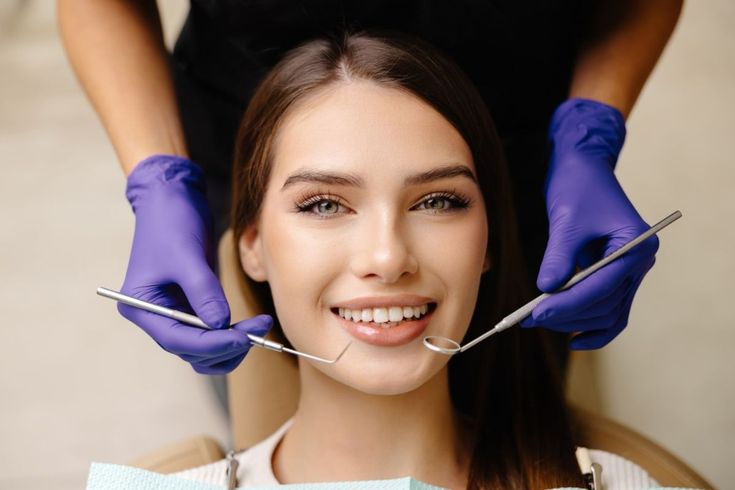
Dental care is often associated solely with a bright smile and fresh breath, but its impact goes far beyond aesthetics. Proper oral hygiene is a cornerstone of overall health, as the mouth is the gateway to the body. Neglecting dental care can lead to not only cavities and gum disease but also contribute to serious systemic health problems. Understanding how dental care supports overall wellness can motivate better habits and improve long-term health outcomes.
1. Preventing Gum Disease
Gum disease, also known as periodontitis, is a major consequence of poor dental care. It occurs when plaque and tartar build up along the gumline, causing inflammation and infection. Beyond tooth loss and gum damage, research has linked gum disease to systemic conditions such as heart disease, diabetes, and respiratory infections. Regular dental cleanings, proper brushing, and flossing remove harmful bacteria and help prevent gum disease, protecting not just your teeth but your overall health.
2. Reducing Risk of Heart Disease
Several studies suggest a connection between oral health and cardiovascular health. Harmful bacteria from untreated gum infections can enter the bloodstream, triggering inflammation and contributing to plaque buildup in arteries. This process can increase the risk of heart attacks, strokes, and other cardiovascular complications. Maintaining consistent dental care—including professional check-ups and daily oral hygiene—reduces the bacterial load in the mouth and supports heart health.
3. Supporting Diabetes Management
Oral health and diabetes are closely interlinked. High blood sugar levels can lead to an increased risk of gum disease, while severe gum infections can make it harder to control blood sugar. This two-way relationship highlights the importance of dental care for individuals with diabetes. Regular dental visits, careful brushing and flossing, and early treatment of infections can help maintain better blood sugar control and overall well-being.
4. Preventing Respiratory Issues
Bacteria from the mouth can be inhaled into the lungs, potentially causing respiratory infections, pneumonia, and worsening conditions like chronic obstructive pulmonary disease (COPD). Proper dental care, especially among older adults, reduces oral bacteria and minimizes the risk of these serious respiratory problems. Daily brushing, flossing, and regular professional cleanings are key preventive measures.
5. Early Detection of Health Issues
Routine dental check-ups provide opportunities for early detection of more than just oral problems. Dentists can identify signs of vitamin deficiencies, oral cancers, and systemic diseases based on changes in the mouth. For instance, persistent mouth sores, bleeding gums, or unusual lesions may indicate broader health issues. Prompt attention to these warning signs can lead to early intervention and better overall outcomes.
6. Enhancing Digestive Health
Healthy teeth and gums play a vital role in proper digestion. Chewing breaks down food mechanically, making it easier for the stomach and intestines to absorb nutrients. Poor dental health, including missing or damaged teeth, can impair chewing efficiency, leading to digestive problems and nutrient deficiencies. Maintaining strong, healthy teeth through proper dental care ensures better nutrient absorption and overall digestive health.
7. Boosting Mental and Emotional Well-Being
Oral health impacts mental and emotional wellness. Poor dental hygiene can cause bad breath, tooth discoloration, and tooth loss, which may affect self-confidence and social interactions. Chronic dental pain can also contribute to stress and reduced quality of life. By prioritizing dental care, individuals maintain a healthier smile, reduce discomfort, and support emotional well-being, which in turn benefits overall health.
8. Promoting Healthy Pregnancy
Pregnant individuals with untreated gum disease face a higher risk of complications such as preterm birth and low birth weight. Hormonal changes during pregnancy can increase susceptibility to oral infections, making dental care essential. Regular check-ups, professional cleanings, and proper oral hygiene at home support maternal and fetal health, highlighting the broader impact of dental care beyond the individual.
Your smile deserves expert care and personalized attention. With years of experience in advanced orthodontic treatments, Dr. Nizar Ishaq is dedicated to helping patients achieve healthier, more confident smiles through modern techniques and customized treatment plans. Whether you need routine dental care, smile correction, or specialized orthodontic solutions, booking a consultation directly with Dr. Nizar Ishaq ensures professional guidance and patient-focused care. Take the first step toward a healthier, brighter smile by scheduling your consultation today.