
Oral health is often overlooked until discomfort or pain forces attention. What may start as a minor dental issue—such as a small cavity, slight gum irritation, or sensitivity—can quickly escalate into more serious problems if left untreated. Understanding how small dental problems become bigger issues emphasizes the importance of early detection, proper oral hygiene, and regular dental visits.
Common Small Dental Problems
Even seemingly minor issues can have long-term consequences. Some of the most common small dental problems include:
- Tooth Sensitivity
Occasional sensitivity to hot, cold, or sweet foods may seem minor, but it can indicate enamel erosion, early decay, or gum recession. - Plaque and Tartar Buildup
Plaque is a sticky film of bacteria that forms on teeth. If not removed through brushing and flossing, it hardens into tartar, which can lead to gum disease. - Minor Cavities
Small cavities are easy to overlook because they often don’t cause pain initially. Without treatment, they can expand, affecting deeper layers of the tooth. - Gum Inflammation (Gingivitis)
Early-stage gum disease causes redness, swelling, and bleeding while brushing. Though reversible, if ignored, it can progress to periodontitis, affecting bone and tooth support. - Cracked or Chipped Teeth
Minor cracks or chips may not be painful immediately, but they can worsen over time, leading to infection or tooth loss.
How Small Problems Escalate
Small dental issues tend to worsen gradually but steadily:
- Cavities Deepen
A minor cavity that affects only the enamel can quickly progress to the dentin or pulp. Once it reaches the pulp, patients may experience pain, infection, and the need for root canal therapy or extraction. - Gum Disease Progresses
Gingivitis can evolve into periodontitis if plaque and tartar are not removed. Periodontitis damages gum tissue and bone, increasing the risk of tooth loss and contributing to systemic conditions like heart disease and diabetes. - Infections Spread
Untreated dental infections can extend beyond the tooth or gums, leading to abscesses. In severe cases, the infection can enter the bloodstream, posing serious health risks. - Structural Damage
Small cracks or chips may seem cosmetic at first, but they can compromise the tooth’s structure, causing further fractures, sensitivity, and bacterial invasion.
The Importance of Early Detection
Early detection is key to preventing minor dental issues from becoming major problems:
- Regular Dental Check-Ups
Visiting your dentist every six months allows for professional cleaning, early detection of cavities, and identification of gum problems before they escalate. - Dental X-Rays
X-rays help detect issues beneath the surface, such as early decay, impacted teeth, or bone loss, even when there are no visible symptoms. - Self-Examinations
Pay attention to changes in your teeth and gums. Early signs like bleeding, discoloration, or sensitivity should not be ignored.
Preventive Measures for Strong Oral Health
Preventing small problems from turning into larger ones requires consistent care:
- Proper Brushing and Flossing
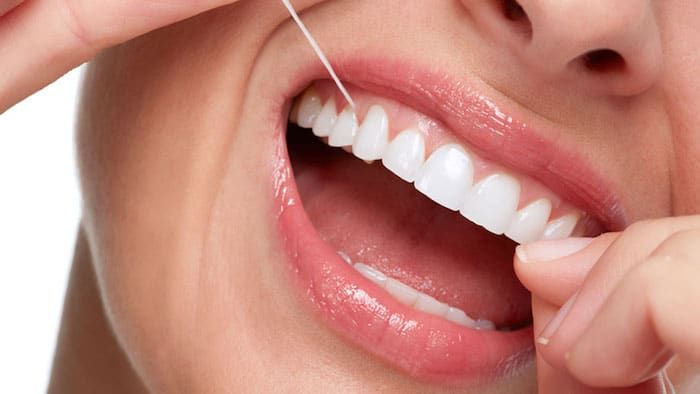
Brush at least twice daily with fluoride toothpaste and floss once daily to remove plaque from between teeth and along the gumline. - Balanced Diet
Limit sugary foods and beverages, which contribute to cavities. Include calcium- and vitamin-rich foods to strengthen teeth and gums. - Avoid Harmful Habits
Smoking, excessive alcohol, and nail-biting can exacerbate dental issues. Avoiding these habits supports overall oral health. - Protect Teeth During Activities
Wear a mouthguard during sports or activities that pose a risk of injury to prevent chips, cracks, or fractures. - Stay Hydrated
Saliva helps neutralize acids and wash away food particles. Drinking water regularly supports healthy oral bacteria balance and protects enamel.
The Long-Term Benefits of Early Intervention
Addressing dental issues early prevents pain, costly procedures, and potential complications:
- Reduced Need for Major Procedures
Treating cavities or gum inflammation early often requires only fillings or professional cleaning rather than root canals or surgery. - Preserved Natural Teeth
Preventive care and timely intervention protect your teeth from decay, fracture, or loss. - Overall Health Benefits
Maintaining oral health supports overall wellness, as poor oral hygiene is linked to heart disease, diabetes, and respiratory conditions.
Your smile deserves expert care and personalized attention. With years of experience in advanced orthodontic treatments ,Dr. Nizar Ishaq is dedicated to helping patients achieve healthier, more confident smiles through modern techniques and customized treatment plans. Whether you need routine dental care, smile correction, or specialized orthodontic solutions, booking a consultation directly with Dr. Nizar Ishaq ensures professional guidance and patient-focused care. Take the first step toward a healthier, brighter smile by scheduling your consultation today.