
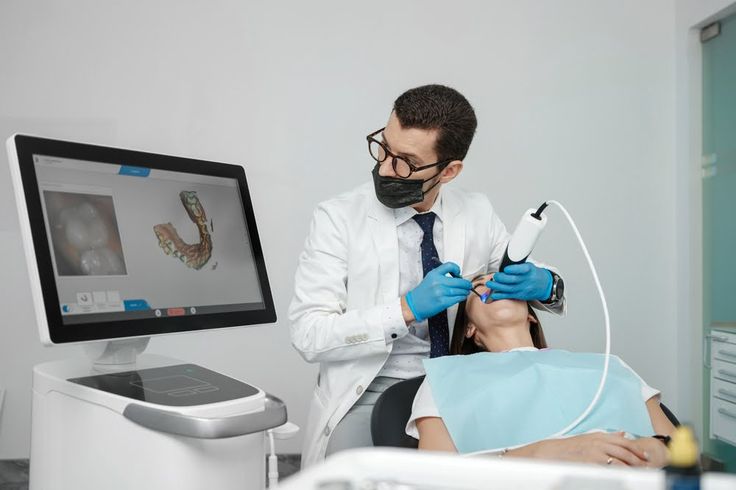
The field of dentistry has evolved significantly over the years, thanks to advancements in technology. Modern dental treatments are more precise, efficient, and comfortable than ever before. Understanding how technology is improving dental treatments highlights the ways patients benefit from innovative tools and techniques, making oral care safer and more effective.
Digital Imaging for Accurate Diagnosis
One of the most significant technological advancements in dentistry is digital imaging. X-rays and 3D scans allow dentists to view teeth, roots, and jaw structures in high detail. Unlike traditional X-rays, digital imaging exposes patients to less radiation and provides instant results, enabling quicker and more accurate diagnosis.
With these tools, dentists can identify cavities, bone loss, impacted teeth, and other dental issues at an early stage. Early detection means treatments can be less invasive, reducing discomfort and improving outcomes.
Computer-Aided Design and Manufacturing (CAD/CAM)
CAD/CAM technology has revolutionized restorative dentistry. Dentists can now design crowns, bridges, and veneers digitally and produce them with precision using specialized milling machines. This technology often allows for same-day restorations, reducing the number of visits needed for patients.
The result is not only faster treatment but also highly accurate and durable dental restorations that fit perfectly, improving both function and aesthetics.
Laser Dentistry for Minimally Invasive Procedures
Laser technology is increasingly used in dental treatments to provide minimally invasive procedures. Lasers can treat gum disease, remove decay, and even whiten teeth with less discomfort and faster healing times compared to traditional methods.
For example, laser treatments reduce bleeding, swelling, and the need for sutures in soft tissue procedures. Patients experience less anxiety and quicker recovery, making dental visits more comfortable and efficient.
Intraoral Cameras for Better Patient Understanding
Intraoral cameras allow dentists to capture high-resolution images of the mouth, giving patients a clear view of their dental conditions. This technology improves communication between dentist and patient, helping individuals understand treatment plans and the need for interventions.
When patients can see issues directly, such as cavities or misaligned teeth, they are more likely to follow recommendations and take proactive steps to maintain oral health.
3D Printing in Dentistry
3D printing technology is transforming dental treatments, particularly in orthodontics and prosthodontics. Custom aligners, dentures, and surgical guides can be produced quickly and accurately using 3D printers.
This innovation reduces production time, increases precision, and allows for personalized dental appliances tailored to the unique anatomy of each patient. The result is faster, more comfortable, and more effective treatment.
Improved Anesthesia and Pain Management
Technological advancements have also enhanced anesthesia and pain management in dentistry. Computer-controlled local anesthetic delivery systems allow for precise administration, reducing discomfort during procedures.
Additionally, sedation dentistry options, guided by advanced monitoring equipment, make complex treatments more tolerable for anxious or sensitive patients. These developments increase patient comfort and make dental care accessible to a wider population.
Tele-dentistry for Remote Access
Tele-dentistry is an emerging technology that allows patients to consult with dentists remotely. Virtual checkups, consultations, and follow-ups reduce the need for in-person visits while providing access to professional guidance.
Tele-dentistry is especially beneficial for routine screenings, monitoring orthodontic progress, and providing timely advice for minor issues, ensuring patients receive continuous care even when traveling or in remote areas.
Enhanced Sterilization and Safety Protocols
Advanced sterilization technology and infection control systems have improved safety in dental clinics. Autoclaves, UV sterilizers, and digital tracking of instruments ensure that all tools are thoroughly cleaned and safe for use.
These innovations reduce the risk of cross-contamination and infections, providing patients with peace of mind and maintaining the highest standards of clinical hygiene.
Artificial Intelligence in Dentistry
Artificial intelligence (AI) is beginning to play a role in diagnostic support, treatment planning, and patient management. AI can analyze X-rays, identify patterns, and predict potential dental issues, assisting dentists in making accurate decisions.
AI-driven tools also streamline appointment scheduling, patient record management, and treatment monitoring, improving efficiency and patient experience.
Your smile deserves expert care and personalized attention. With years of experience in advanced orthodontic treatments, Dr. Nizar Ishaq is dedicated to helping patients achieve healthier, more confident smiles through modern techniques and customized treatment plans. Whether you need routine dental care, smile correction, or specialized orthodontic solutions, booking a consultation directly with Dr. Nizar Ishaq ensures professional guidance and patient-focused care. Take the first step toward a healthier, brighter smile by scheduling your consultation today.