
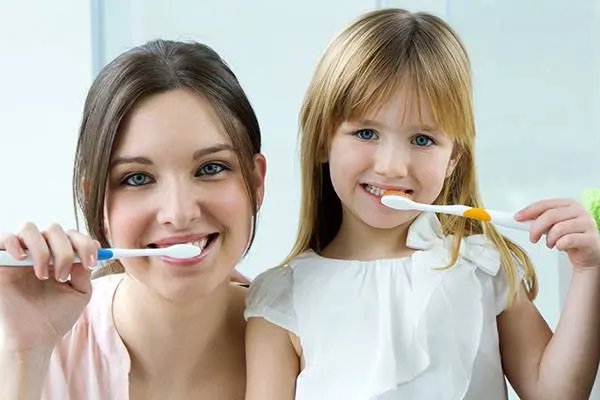
Healthy teeth and gums begin with good habits developed from a young age. Learning how to build healthy dental habits early helps children maintain strong teeth, avoid cavities, and develop confidence in their smiles. These habits not only protect oral health during childhood but also reduce the risk of dental problems in adulthood.
Parents and caregivers play a significant role in teaching children the importance of oral hygiene. By introducing simple daily routines, encouraging healthy food choices, and scheduling regular dental visits, families can help children develop lifelong habits that support excellent dental health.
Why Early Dental Habits Matter
Children’s primary (baby) teeth are essential for eating, speaking, and guiding permanent teeth into their correct positions. Poor oral hygiene during childhood can lead to tooth decay, gum inflammation, pain, and difficulty eating or speaking.
Teaching children how to build healthy dental habits early creates a strong foundation for lifelong oral health. Good routines established in childhood are more likely to continue into adulthood, reducing the chances of expensive dental treatments later in life.
Start Oral Care from Infancy
Good dental care starts even before the first tooth appears.
Parents should:
- Gently wipe the baby’s gums with a clean, soft cloth after feeding.
- Begin brushing as soon as the first tooth erupts.
- Use a soft-bristled infant toothbrush.
- Brush twice daily.
Starting these routines early helps babies become comfortable with oral care and makes brushing a normal part of their daily routine.
Teach Proper Brushing Techniques
Brushing correctly is one of the most important dental habits children can learn.
Encourage children to:
- Brush twice every day.
- Spend at least two minutes brushing.
- Clean all tooth surfaces.
- Brush gently using circular motions.
- Brush the tongue to remove bacteria.
Parents should supervise brushing until children develop enough hand coordination, usually around the age of seven or eight.
Use the Right Amount of Toothpaste
Using fluoride toothpaste helps strengthen tooth enamel and prevent cavities.
General recommendations include:
- A rice-sized smear for children under three years old.
- A pea-sized amount for children aged three and older.
Teach children to spit out toothpaste after brushing rather than swallowing it.
Make Brushing Fun
Children are more likely to brush consistently when the experience is enjoyable.
Try these ideas:
- Let children choose colorful toothbrushes.
- Use toothbrushes featuring favorite cartoon characters.
- Play a two-minute brushing song.
- Create a brushing reward chart.
- Brush together as a family.
Positive reinforcement encourages children to develop healthy routines without making brushing feel like a chore.
Introduce Flossing Early
Flossing becomes necessary once two teeth touch each other.
Daily flossing helps:
- Remove food particles between teeth.
- Reduce plaque buildup.
- Prevent cavities between teeth.
- Keep gums healthy.
Parents should assist young children until they can floss independently.
Encourage Healthy Eating Habits
Diet has a direct impact on oral health. Nutritious foods strengthen teeth, while sugary snacks increase the risk of tooth decay.
Choose foods such as:
- Fresh fruits
- Vegetables
- Cheese
- Yogurt
- Milk
- Eggs
- Whole grains
- Nuts (when age-appropriate)
Limit:
- Candy
- Sticky sweets
- Sugary drinks
- Soft drinks
- Frequent snacking
Water is always the best drink for maintaining healthy teeth.
Limit Sugary Drinks
Sugary beverages expose teeth to acids and sugars that can damage enamel.
Reduce or avoid:
- Soft drinks
- Energy drinks
- Sweetened juices
- Flavored milk with added sugar
Encourage children to drink plain water throughout the day, especially after meals.
Visit the Dentist Regularly
Routine dental checkups are essential for maintaining healthy teeth and identifying problems early.
Children should visit the dentist:
- Around their first birthday or within six months of the first tooth appearing.
- Every six months, or as recommended by the dentist.
Regular visits allow dental professionals to:
- Monitor tooth development.
- Detect cavities early.
- Provide preventive treatments.
- Offer oral hygiene guidance.
- Build children’s confidence during dental visits.
Avoid Harmful Oral Habits
Certain habits can affect the growth and alignment of children’s teeth.
Parents should discourage:
- Thumb sucking beyond early childhood.
- Nail biting.
- Chewing on hard objects.
- Using teeth to open packages.
- Frequent consumption of sugary snacks.
Replacing these habits with healthier alternatives helps protect developing teeth.
Lead by Example
Children often imitate their parents’ behavior.
Parents who brush, floss, and attend regular dental appointments demonstrate the importance of good oral health.
Family brushing routines also make dental care more enjoyable and encourage consistency.
Protect Teeth During Sports
Children participating in sports should wear properly fitted mouthguards.
Mouthguards help prevent:
- Broken teeth
- Chipped teeth
- Lip injuries
- Jaw injuries
- Dental emergencies
Protective equipment is especially important for contact sports and recreational activities.
Recognize Early Signs of Dental Problems
Parents should watch for symptoms such as:
- Tooth sensitivity
- Tooth pain
- Bleeding gums
- Bad breath
- White or brown spots on teeth
- Difficulty chewing
Early treatment prevents minor dental issues from becoming more serious.
Build Consistent Daily Routines
Consistency is the key to lasting oral health.
A simple daily routine may include:
Morning
- Brush teeth.
- Eat a healthy breakfast.
After Meals
- Rinse with water.
- Avoid sugary snacks.
Evening
- Brush thoroughly.
- Floss.
- Avoid eating after brushing.
Repeating these habits every day helps children develop routines that continue throughout life.
The Long-Term Benefits of Early Dental Habits
When children learn how to build healthy dental habits early, they enjoy benefits that extend well beyond childhood.
These include:
- Stronger teeth
- Healthier gums
- Fewer cavities
- Better oral hygiene
- Reduced dental anxiety
- Improved confidence
- Lower dental treatment costs
- Healthier permanent teeth
- Better overall health
Healthy oral habits established during childhood become lifelong practices that support both dental and general well-being.
Your smile deserves expert care and personalized attention. With years of experience in advanced orthodontic treatments, Dr. Nizar Ishaq is dedicated to helping patients achieve healthier, more confident smiles through modern techniques and customized treatment plans. Whether you need routine dental care, smile correction, or specialized orthodontic solutions, booking a consultation directly with Dr. Nizar Ishaq ensures professional guidance and patient-focused care. Take the first step toward a healthier, brighter smile by scheduling your consultation today.