
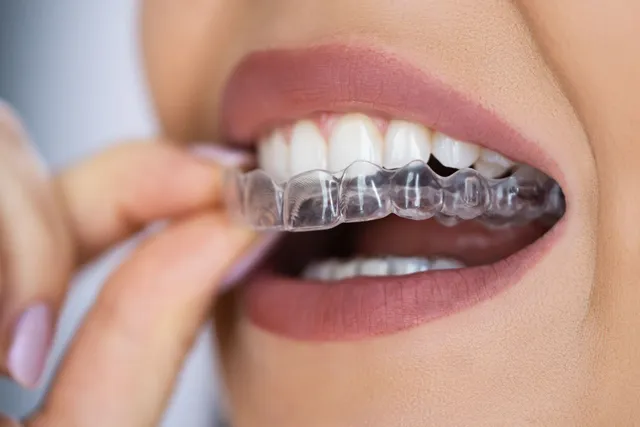
Maintaining good oral hygiene becomes even more important when you have braces or retainers. These orthodontic appliances can trap food particles and bacteria, making cleaning more challenging than usual. Without proper care, this can lead to plaque buildup, bad breath, stains, and even tooth decay.
Understanding how to clean braces or retainers properly ensures your treatment stays effective and your smile remains healthy throughout the orthodontic journey.
Why Cleaning Braces and Retainers Is Important
Braces and retainers create small spaces where food and bacteria can easily get stuck. If not cleaned properly, this can lead to several oral health problems.
Poor cleaning may result in:
- Plaque buildup around brackets or wires
- Gum inflammation or bleeding
- White spots on teeth
- Bad breath
- Increased risk of cavities
Good cleaning habits protect both your teeth and orthodontic appliances.
How to Clean Braces Properly
Braces require extra care because of their brackets and wires. Cleaning should be done carefully but consistently.
Brush After Every Meal
Brushing is the most important step in maintaining braces hygiene.
- Use a soft-bristled toothbrush or orthodontic brush
- Angle the brush around brackets and wires
- Brush gently for at least 2–3 minutes
- Use fluoride toothpaste for extra protection
Make sure to clean all surfaces, including front, back, and chewing areas of teeth.
Use Interdental Brushes
Interdental brushes are small tools designed to clean between brackets and wires.
They help:
- Remove food particles stuck in tight spaces
- Clean areas regular brushes cannot reach
- Reduce plaque buildup around braces
Use them gently to avoid damaging wires.
Floss Carefully
Flossing with braces can be tricky, but it is essential for gum health.
You can use:
- Floss threaders
- Orthodontic floss picks
- Water flossers for easier cleaning
Floss at least once a day to remove debris between teeth.
Rinse with Mouthwash
Using an antibacterial or fluoride mouthwash helps reduce bacteria and strengthen enamel.
Benefits include:
- Fresher breath
- Reduced plaque formation
- Improved gum health
Rinse once or twice daily after brushing.
How to Clean Retainers Properly
Retainers also require regular cleaning because they sit directly on your teeth and can collect bacteria and plaque.
Rinse After Removal
Every time you remove your retainer:
- Rinse it with lukewarm water immediately
- Avoid letting saliva dry on the surface
- Do not use hot water, as it may damage the material
This simple step prevents buildup.
Brush Gently
Use a soft toothbrush and mild, non-abrasive soap to clean retainers.
- Avoid toothpaste, as it can scratch the surface
- Brush all areas gently, including edges
- Rinse thoroughly before placing it back in your mouth
Use Retainer Cleaning Solutions
Special cleaning tablets or solutions can help deep clean retainers.
They help:
- Remove stains
- Kill bacteria
- Keep retainers fresh and odor-free
Soak your retainer as directed by your dentist.
Store Properly
When not in use, always store retainers in a protective case.
This prevents:
- Damage or bending
- Contamination from dust or bacteria
- Accidental loss or breakage
Never wrap retainers in tissues, as they can easily be thrown away by mistake.
Foods and Habits to Avoid
Certain foods and habits can make cleaning braces or retainers more difficult.
Avoid:
- Sticky foods like caramel or chewing gum
- Hard foods like nuts or ice
- Sugary snacks that increase plaque buildup
- Drinking colored beverages with retainers on
These can stain or damage orthodontic appliances.
Maintain Strong Daily Oral Hygiene
Cleaning braces or retainers is only part of the process. Overall oral hygiene plays a big role in keeping your mouth healthy.
Make sure to:
- Brush twice daily (or after meals if possible)
- Floss at least once a day
- Drink plenty of water
- Maintain regular dental checkups
A clean mouth supports effective orthodontic treatment.
Common Mistakes to Avoid
Many people unknowingly damage their braces or retainers through improper care.
Avoid:
- Using hot water on retainers
- Skipping flossing
- Brushing too aggressively
- Ignoring food stuck in brackets
- Not cleaning retainers daily
Correct habits ensure better results and fewer complications.
When to See a Dentist or Orthodontist
If you notice persistent issues, it’s important to seek professional help.
Watch for:
- Bad odor that doesn’t go away
- Broken or loose braces parts
- Cracked or warped retainers
- Gum pain or swelling
- Visible plaque buildup despite cleaning
Regular checkups help ensure everything stays on track.
Your smile deserves expert care and personalized attention. With years of experience in advanced orthodontic treatments, Dr. Nizar Ishaq is dedicated to helping patients achieve healthier, more confident smiles through modern techniques and customized treatment plans. Whether you need routine dental care, smile correction, or specialized orthodontic solutions, booking a consultation directly with Dr. Nizar Ishaq ensures professional guidance and patient-focused care. Take the first step toward a healthier, brighter smile by scheduling your consultation today.