
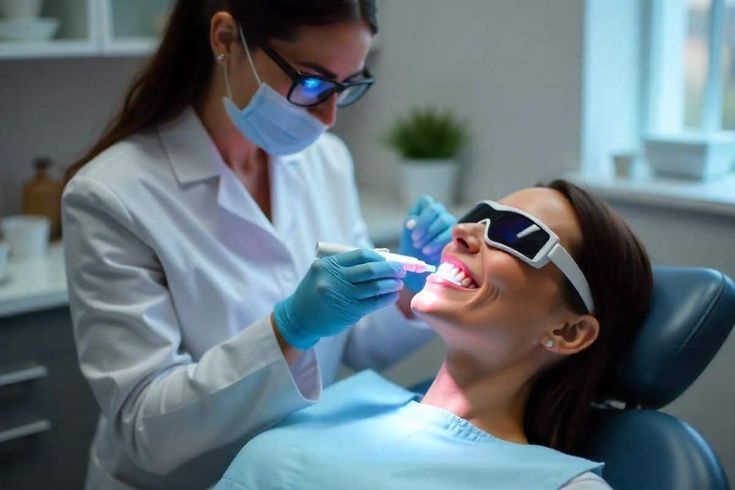
Maintaining healthy teeth is important at every stage of life, but as we age, oral care becomes even more critical. Aging can bring unique challenges to dental health, including gum recession, enamel wear, dry mouth, and an increased risk of cavities and tooth loss. Understanding how to keep your teeth healthy as you age helps prevent complications and ensures a lifetime of strong, functional teeth.
Why Dental Health Changes with Age
Several factors contribute to changes in oral health over time. Natural wear and tear can weaken enamel, making teeth more prone to cavities. Gum tissues may recede, exposing tooth roots to decay and sensitivity. Certain medications commonly taken by older adults can reduce saliva flow, leading to dry mouth and increased risk of infections. Additionally, chronic health conditions like diabetes, osteoporosis, and heart disease can affect oral health, making preventive care essential.
Maintain a Consistent Oral Hygiene Routine
A strong oral hygiene routine is the foundation of healthy teeth at any age. This includes:
- Brushing twice daily: Use a soft-bristled toothbrush and fluoride toothpaste to remove plaque and prevent cavities. Brushing gently helps protect receding gums.
- Flossing daily: Flossing removes food particles and plaque from areas between teeth that brushing cannot reach. It’s particularly important for preventing gum disease, which becomes more common with age.
- Using mouthwash: Antimicrobial or fluoride mouthwashes can help reduce bacteria, strengthen enamel, and prevent gum inflammation.
Consistency is key. Even minor lapses in daily oral care can lead to significant dental problems over time.
Regular Dental Check-Ups
Visiting the dentist regularly is crucial for aging adults. Routine dental exams allow professionals to:
- Detect cavities, gum disease, and oral cancer early
- Monitor changes in tooth alignment and bite
- Provide professional cleanings to remove tartar buildup
- Recommend preventive treatments like fluoride applications or dental sealants
Regular dental visits ensure small issues are addressed before they become serious, reducing the risk of tooth loss and other complications.
Manage Gum Health
Gum disease becomes more prevalent with age and can lead to tooth loss if untreated. To maintain gum health:
- Practice gentle brushing along the gumline
- Floss carefully to avoid damaging gums
- Consider using a soft-bristled or electric toothbrush
- Seek treatment promptly if you notice bleeding, swelling, or recession
Healthy gums not only support teeth but also protect against bacteria entering the bloodstream, which can impact overall health.
Protect Teeth from Wear and Damage
As enamel wears down over time, teeth become more sensitive and prone to damage. To protect them:
- Avoid biting hard objects like ice or pens
- Use a nightguard if you grind your teeth
- Minimize acidic foods and beverages that erode enamel
- Wear a mouthguard during contact sports or physical activity
Preventive measures help maintain the structure and strength of your teeth, reducing the need for restorative treatments later.
Maintain a Balanced Diet
Nutrition plays a vital role in dental health. Foods rich in calcium, vitamin D, and phosphorus strengthen teeth and bones, while fibrous fruits and vegetables stimulate saliva production and naturally clean teeth. Limit sugary and acidic foods and beverages, which contribute to decay. Drinking plenty of water also helps wash away food particles and keeps saliva flowing, especially important for older adults prone to dry mouth.
Manage Dry Mouth
Dry mouth is common in older adults and can increase the risk of cavities and infections. Causes include certain medications, medical conditions, and reduced saliva production. To combat dry mouth:
- Drink water frequently
- Use sugar-free gum or lozenges to stimulate saliva
- Avoid alcohol and tobacco, which worsen dryness
- Consult your dentist about saliva substitutes or prescription treatments if necessary
Maintaining adequate saliva is critical for natural protection against decay and bacteria.
Address Dental Issues Promptly
Don’t ignore dental discomfort or changes in your mouth. Sensitivity, persistent pain, loose teeth, or swelling can indicate serious problems that require immediate attention. Early intervention prevents complications and preserves your teeth and gums.
Lifestyle Habits for Healthy Teeth
Several lifestyle choices support long-term oral health:
- Quit smoking: Tobacco increases the risk of gum disease, oral cancer, and tooth loss.
- Limit alcohol: Excessive alcohol can dry the mouth and erode enamel.
- Manage chronic health conditions: Conditions like diabetes can worsen gum disease if unmanaged.
Healthy habits complement good oral hygiene and professional care, ensuring a stronger, more resilient smile.
Your smile deserves expert care and personalized attention. With years of experience in advanced orthodontic treatments, Dr. Nizar Ishaq is dedicated to helping patients achieve healthier, more confident smiles through modern techniques and customized treatment plans. Whether you need routine dental care, smile correction, or specialized orthodontic solutions, booking a consultation directly with Dr. Nizar Ishaq ensures professional guidance and patient-focused care. Take the first step toward a healthier, brighter smile by scheduling your consultation today.