
Your tooth enamel is the hardest substance in your body and serves as the protective layer for your teeth. It shields your teeth from decay, sensitivity, and damage caused by daily wear and tear. However, once enamel is worn away, it cannot naturally regenerate, making protection essential. Understanding how to protect your tooth enamel for a healthy smile can help you maintain strong, resilient teeth and prevent long-term dental problems.
What Is Tooth Enamel and Why Is It Important?
Tooth enamel is the thin, outer layer of your teeth that covers the dentin and protects the inner pulp. It acts as a barrier against acids, bacteria, and physical damage from chewing. Healthy enamel is critical for:
- Preventing cavities and tooth decay
- Reducing tooth sensitivity
- Maintaining a bright and smooth smile
- Protecting overall oral health
Since enamel cannot grow back, preserving it is a key aspect of lifelong dental care.
Avoid Acidic and Sugary Foods
Acidic and sugary foods and beverages are among the leading causes of enamel erosion. Acid weakens the enamel, making it more susceptible to decay, while sugar feeds bacteria that produce acids in the mouth. To protect your enamel:
- Limit soda, citrus juices, and energy drinks
- Reduce consumption of candy, sweets, and sugary snacks
- Rinse your mouth with water after consuming acidic foods or drinks
- Use a straw for acidic beverages to reduce direct contact with teeth
Being mindful of your diet is one of the simplest yet most effective ways to safeguard enamel.
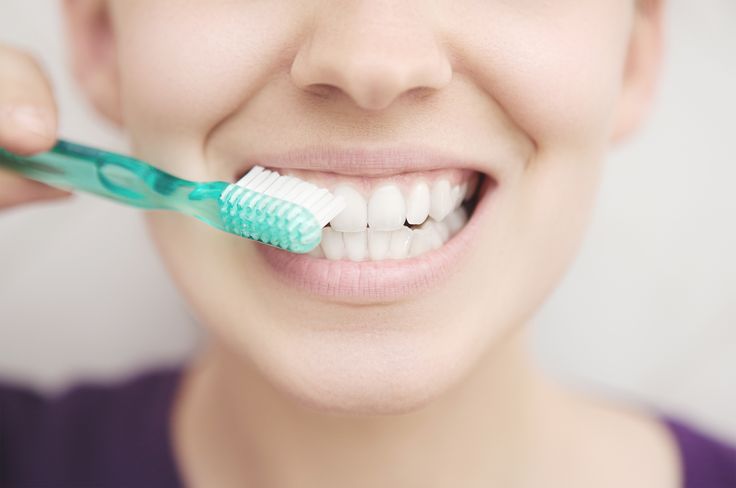
Practice Proper Brushing Techniques
Brushing is essential for oral health, but improper brushing can damage enamel. To brush effectively:
- Use a soft-bristled toothbrush to prevent enamel wear
- Brush gently in small circular motions rather than scrubbing harshly
- Use fluoride toothpaste, which strengthens enamel and helps repair early signs of decay
- Avoid brushing immediately after consuming acidic foods or drinks, as enamel is temporarily softened
Correct brushing habits protect enamel while effectively removing plaque and debris.
Floss Daily
Flossing complements brushing by cleaning between teeth and along the gumline. Plaque buildup in these areas can lead to cavities and gum disease, which indirectly affects enamel health. Daily flossing reduces the risk of decay, helping preserve the integrity of your enamel over time.
Use Fluoride Treatments
Fluoride is a mineral that strengthens enamel and helps prevent tooth decay. Professional fluoride treatments from your dentist or using fluoride toothpaste and mouthwash at home can:
- Re-mineralize weakened enamel
- Reduce the risk of cavities
- Protect teeth against acid attacks from bacteria and food
Incorporating fluoride into your dental routine is a simple and effective step to enhance enamel protection.
Avoid Harmful Habits
Certain habits can wear down enamel faster. Protect your teeth by avoiding:
- Teeth grinding or clenching (consider a nightguard if you grind your teeth)
- Chewing on hard objects like ice, pens, or hard candies
- Using teeth as tools to open packages or bottles
Breaking these habits reduces mechanical wear and helps maintain a healthy enamel layer.
Stay Hydrated and Promote Saliva Production
Saliva is essential for enamel protection as it neutralizes acids, washes away food particles, and provides minerals to repair early enamel damage. To maintain adequate saliva flow:
- Drink plenty of water throughout the day
- Chew sugar-free gum to stimulate saliva production
- Avoid excessive caffeine and alcohol, which can dry out the mouth
A well-hydrated mouth naturally defends against enamel erosion.
Regular Dental Check-Ups
Even with excellent home care, professional dental visits are crucial for protecting enamel. Dentists can:
- Spot early signs of enamel erosion or decay
- Provide professional cleanings to remove plaque and tartar buildup
- Recommend enamel-strengthening treatments, such as fluoride applications or dental sealants
- Offer guidance on diet, brushing, and oral habits tailored to your needs
Routine dental visits ensure problems are caught early, preventing irreversible enamel damage.
Treat Conditions That Threaten Enamel
Certain conditions, such as acid reflux, dry mouth, or frequent vomiting, can increase the risk of enamel erosion. Managing these conditions with the help of your healthcare provider or dentist is essential. For instance, treating acid reflux can reduce acid exposure to teeth, while addressing dry mouth ensures your enamel remains protected.
Your smile deserves expert care and personalized attention. With years of experience in advanced orthodontic treatments, Dr. Nizar Ishaq is dedicated to helping patients achieve healthier, more confident smiles through modern techniques and customized treatment plans. Whether you need routine dental care, smile correction, or specialized orthodontic solutions, booking a consultation directly with Dr. Nizar Ishaq ensures professional guidance and patient-focused care. Take the first step toward a healthier, brighter smile by scheduling your consultation today.