
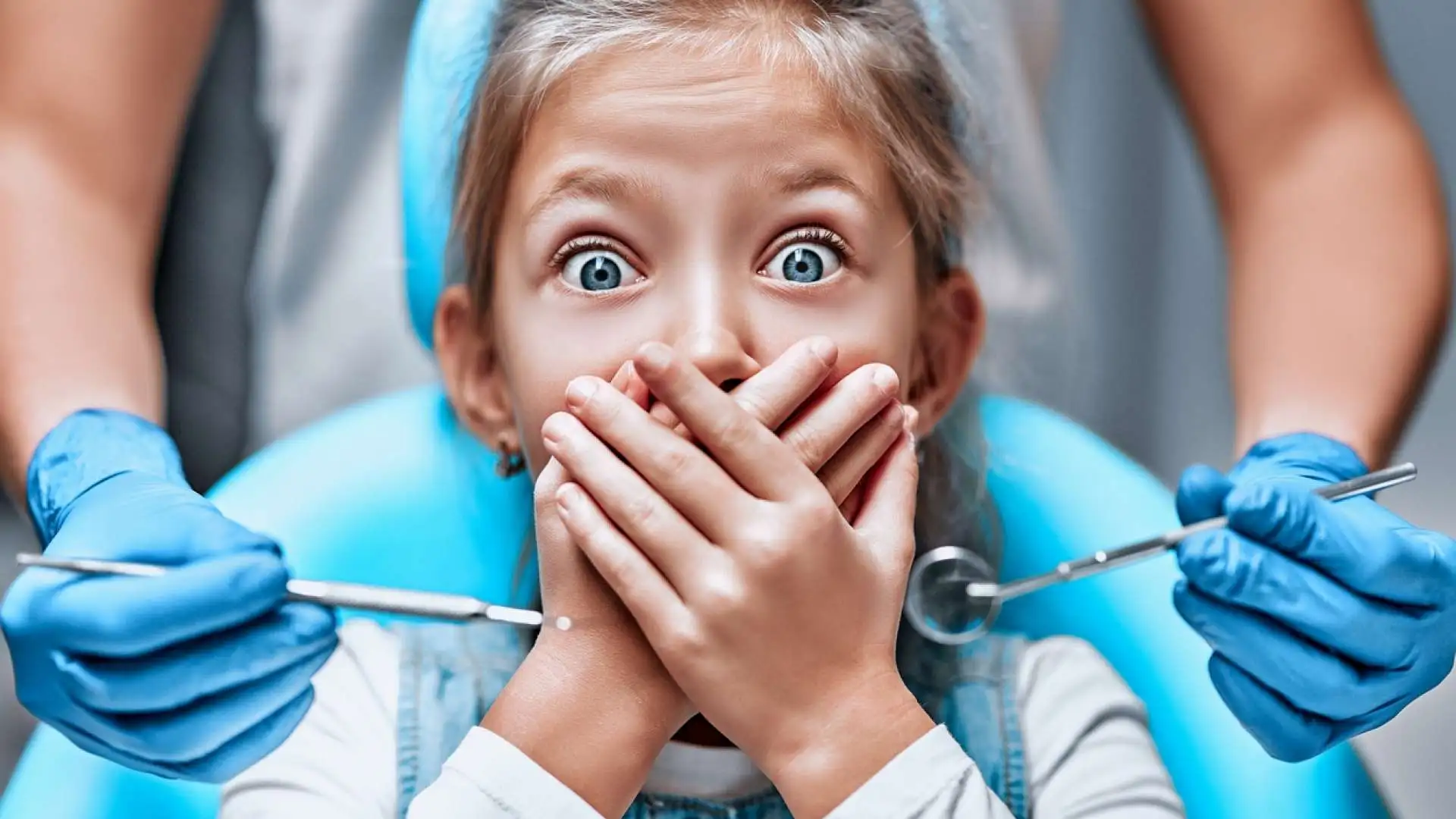
Dental anxiety is common among children, especially when they are visiting a dentist for the first time or have previously experienced discomfort during dental care. Fear of unfamiliar surroundings, dental instruments, sounds, or procedures can make children reluctant to attend appointments. Managing Dental Anxiety in Children involves creating positive experiences, preparing children appropriately, and helping them feel safe and supported throughout dental visits.
Understanding Dental Anxiety in Children
Dental anxiety can appear in different ways. Some children may become quiet or nervous, while others may cry, refuse to sit in the dental chair, or become restless during an appointment. These reactions do not necessarily mean that a child will always be afraid of dental care.
Children may develop anxiety because they do not understand what will happen during a dental visit. They may also react to stories from friends, family members, or media that describe dental treatment as painful or frightening. Previous unpleasant experiences can also contribute to dental fear.
Understanding the reason behind a child’s anxiety can help parents and dental professionals choose appropriate ways to provide reassurance.
Start Dental Visits Early
Early dental visits can help children become familiar with the dental environment before serious problems develop. A first visit can often focus on examination, prevention, and helping the child become comfortable.
When children regularly visit the dentist from a young age, the dental office may become a familiar environment rather than something associated only with pain or emergency treatment. Regular preventive appointments can therefore support more positive attitudes toward dental care.
Prepare Children in Simple Language
Parents can prepare children for dental appointments by explaining what to expect using simple, age-appropriate language. Children usually benefit from honest but reassuring explanations.
Parents can explain that the dentist will look at their teeth and help keep them healthy. Reading children’s books about dental visits or playing pretend dentist at home can also make the experience feel more familiar.
It is generally better to avoid detailed descriptions of potentially frightening procedures before the appointment. Simple explanations can reduce uncertainty without increasing fear.
Avoid Negative Dental Stories
Children can easily absorb the emotions of adults around them. Parents should avoid discussing painful dental experiences or using frightening words when talking about an upcoming appointment.
Statements that suggest dental treatment will hurt may unintentionally increase anxiety. Instead, parents can focus on the purpose of the visit and remind children that the dental team is there to help keep their teeth healthy.
Choose a Calm Appointment Time
A child’s mood can affect how they respond to unfamiliar situations. Scheduling appointments when the child is well-rested and less likely to be hungry or tired can make the experience easier.
Parents can also allow enough time to reach the dental office without rushing. Arriving calmly gives children an opportunity to adjust to the surroundings before entering the treatment area.
Encourage Familiar Comfort Items
Some children feel more comfortable when they have a familiar object with them. A favorite toy, small blanket, or other appropriate comfort item may provide reassurance during the visit.
For younger children, having a parent nearby can also help them feel secure. Depending on the child’s age and the dental practice, parental involvement during the appointment may be helpful.
Use Positive Reinforcement
Positive reinforcement can encourage children to approach dental care with greater confidence. Parents can praise children for sitting in the dental chair, opening their mouth, following instructions, or simply trying their best.
Rewards do not need to involve sweets. A sticker, small non-food reward, or praise can reinforce positive behavior without creating unhealthy associations with sugary foods.
Allow Children to Become Familiar With the Dental Environment
Some children need time to adjust before they feel comfortable. Allowing them to observe the surroundings, meet the dental team, and understand what is happening can reduce uncertainty.
Dental professionals experienced in treating children may use age-appropriate communication, distraction, demonstrations, and gradual introductions to make appointments more comfortable.
Use Distraction and Relaxation Techniques
Simple distraction techniques can help children remain calm during dental treatment. Listening to music, watching an appropriate video, holding a comfort object, or focusing on conversation can shift attention away from unfamiliar sounds and sensations.
Slow breathing can also help older children manage nervousness. Parents can practice simple breathing exercises with children at home before the appointment so the technique feels familiar.
Maintain Regular Dental Care
Avoiding dental appointments because of anxiety can allow minor problems to become more serious. Larger dental problems may require more extensive treatment, which can potentially increase fear.
Regular preventive visits can help identify concerns early and support simpler treatment when needed. Consistent appointments also help children become more familiar with dental care.
Support From Dental Professionals
Dental professionals play an important role in Managing Dental Anxiety in Children. A child-friendly approach can include explaining procedures in simple terms, using positive communication, allowing appropriate breaks, and introducing dental instruments gradually.
The treatment approach can be adjusted according to the child’s age, personality, anxiety level, and treatment needs. In some situations, additional behavior-management techniques or specialized approaches may be considered.
Avoid Forcing a Child
Parents should avoid threatening or forcing children into dental treatment whenever possible. Pressure can strengthen negative associations with dental visits.
Instead, parents can acknowledge the child’s feelings while calmly encouraging cooperation. Building trust gradually can be more effective than expecting a nervous child to immediately feel comfortable.
Your smile deserves expert care and personalized attention. With years of experience in advanced orthodontic treatments, Dr. Nizar Ishaq is dedicated to helping patients achieve healthier, more confident smiles through modern techniques and customized treatment plans. Whether you need routine dental care, smile correction, or specialized orthodontic solutions, booking a consultation directly with Dr. Nizar Ishaq ensures professional guidance and patient-focused care. Take the first step toward a healthier, brighter smile by scheduling your consultation today.