
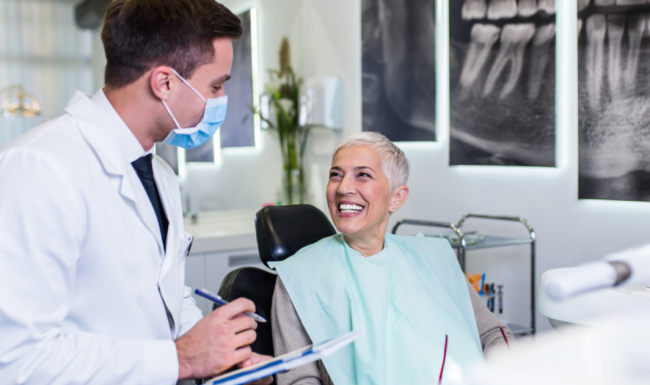
Dental care has traditionally followed general approaches to prevention and treatment, but advances in technology and research are making it possible to provide more individualized care. Personalized Dentistry: The Future of Oral Health focuses on understanding each patient’s unique dental needs, risk factors, lifestyle, preferences, and treatment goals.
Rather than treating every patient in exactly the same way, personalized dentistry aims to create care strategies that are better suited to individual circumstances. This approach can support prevention, early detection, treatment planning, and long-term oral health.
What Is Personalized Dentistry?
Personalized dentistry is an approach that considers the individual characteristics of a patient when planning dental care. These characteristics can include oral health history, age, dental habits, existing conditions, lifestyle, risk factors, tooth alignment, gum health, and personal treatment preferences.
The goal is not simply to provide more treatment. Instead, personalized dentistry aims to provide the right care at the right time based on the patient’s specific needs.
Moving Beyond One-Size-Fits-All Dentistry
Every mouth is different. Two people may have similar dental problems but require different treatment approaches because of differences in oral anatomy, medical history, habits, or lifestyle.
Personalized dentistry recognizes these differences. A patient with a high risk of cavities may benefit from a stronger focus on preventive strategies, while another patient may require greater attention to gum health, tooth alignment, or tooth wear.
This individualized approach can make dental care more relevant and practical.
Personalized Prevention
Prevention is one of the most important areas where personalized dentistry can make a difference.
Instead of giving every patient identical preventive advice, dental professionals can assess individual risk factors. These may include frequent sugar consumption, oral hygiene habits, previous cavities, gum health, dry mouth, tobacco use, or orthodontic treatment.
Based on this assessment, patients can receive recommendations that are more closely matched to their needs.
Digital Dental Technology
Technology is playing an important role in the development of personalized dentistry. Digital scanners, advanced imaging, electronic records, and computer-assisted treatment planning provide detailed information about a patient’s oral structures.
Digital tools can help dental professionals visualize teeth and surrounding structures more clearly and use this information to develop individualized treatment plans.
Digital Scanning
Intraoral scanners can create detailed digital representations of the teeth and oral structures. These scans may be used for orthodontic planning, restorative dentistry, crowns, aligners, and other treatments.
Digital impressions can also improve patient comfort compared with some traditional impression techniques.
Advanced Dental Imaging
Modern imaging allows professionals to examine dental structures in greater detail. Depending on the clinical situation, digital X-rays and three-dimensional imaging may be used to assess teeth, roots, bone, and surrounding areas.
These images can support more precise diagnosis and treatment planning when clinically appropriate.
Artificial Intelligence in Dentistry
Artificial intelligence is increasingly being explored as a tool to support dental professionals. AI-based systems may assist with image analysis, identifying patterns, organizing information, and supporting treatment planning.
AI does not replace professional clinical judgment. Instead, it can provide additional information that may help dentists evaluate complex cases and make informed decisions.
Personalized Orthodontic Treatment
Orthodontic care is another area benefiting from digital technology. Braces and clear aligners can be planned according to the patient’s specific tooth positions and treatment objectives.
Digital scans and treatment simulations may help professionals visualize potential tooth movements and create customized treatment sequences.
The most appropriate orthodontic method depends on the patient’s bite, tooth alignment, age, oral health, and treatment requirements.
Customized Restorative Dentistry
Restorative dentistry increasingly focuses on preserving natural tooth structure while restoring function and appearance.
Crowns, bridges, fillings, and other restorations can be designed to match the patient’s dental anatomy. Digital technologies can assist with measurements and the design of restorations that fit individual teeth.
Personalized Gum Care
Gum health varies from person to person. Some individuals may have a higher risk of gum disease because of oral hygiene habits, genetics, smoking, diabetes, or other factors.
Personalized periodontal care can focus on the patient’s specific risk profile. This may include customized hygiene instructions, professional cleaning schedules, monitoring, and appropriate treatment when gum disease is present.
Age-Specific Dental Care
Personalized dentistry also considers age and stage of development. Children, teenagers, adults, and older individuals have different dental needs.
For children, care may focus on healthy tooth development, fluoride, sealants, oral habits, and prevention. Teenagers may require guidance related to orthodontics, diet, and independent oral hygiene. Adults may need care addressing gum health, restorations, tooth wear, or missing teeth.
Older adults may require additional attention to dry mouth, root decay, tooth loss, and medication-related oral changes.
Lifestyle-Based Dental Care
Lifestyle can influence oral health significantly. Diet, work routines, sports activities, smoking, stress, oral hygiene habits, and other behaviors can affect dental risks.
Personalized dentistry takes these factors into account when providing preventive recommendations. Practical advice is often easier to follow when it fits naturally into a person’s daily routine.
Patient Preferences Matter
Personalized dentistry is not only about technology and clinical information. Patient preferences are also important.
Some patients may prioritize aesthetics, while others may focus on comfort, convenience, treatment duration, or long-term function. Discussing these priorities allows dental professionals to consider appropriate treatment alternatives.
Improving Patient Education
Personalized care can also improve dental education. Instead of providing generic instructions, professionals can demonstrate techniques based on the patient’s actual oral health needs.
For example, someone with crowded teeth may need specific guidance on cleaning difficult areas, while a patient with sensitive teeth may require advice focused on reducing sensitivity and protecting enamel.
Early Detection and Monitoring
Regular monitoring is an important component of personalized dentistry. Small changes in oral health can sometimes be identified before they develop into more advanced problems.
Digital records, photographs, scans, and routine examinations can help professionals compare changes over time and adjust preventive or treatment strategies when necessary.
Minimally Invasive Treatment
Personalized dentistry can support minimally invasive approaches by focusing on early diagnosis and preservation of healthy tooth structure.
When dental problems are identified early, treatment may sometimes be less extensive. The appropriate treatment always depends on the individual condition and professional assessment.
Improving Patient Experience
Personalized treatment can make dental care feel more relevant to patients. When individuals understand why a particular recommendation has been made and how it relates to their oral health, they may be more likely to participate actively in their care.
Clear communication can also help reduce uncertainty and support better treatment experiences.
The Role of Preventive Dental Visits
Even as dental technology advances, regular professional examinations remain important. Personalized dentistry depends on accurate information about the patient’s current oral health.
Routine visits allow dental professionals to monitor teeth and gums, update risk assessments, provide preventive care, and identify changes that may require attention.
The Future of Personalized Dentistry
The future of personalized dental care may involve increasingly detailed digital records, improved AI-supported analysis, advanced biomaterials, better imaging, and more precise treatment planning.
As dental research develops, professionals may gain additional ways to understand individual risk factors and predict potential oral health concerns.
The focus is likely to remain on prevention, early detection, preservation of natural teeth, patient comfort, and individualized treatment.
Your smile deserves expert care and personalized attention. With years of experience in advanced orthodontic treatments, Dr. Nizar Ishaq is dedicated to helping patients achieve healthier, more confident smiles through modern techniques and customized treatment plans. Whether you need routine dental care, smile correction, or specialized orthodontic solutions, booking a consultation directly with Dr. Nizar Ishaq ensures professional guidance and patient-focused care. Take the first step toward a healthier, brighter smile by scheduling your consultation today.