
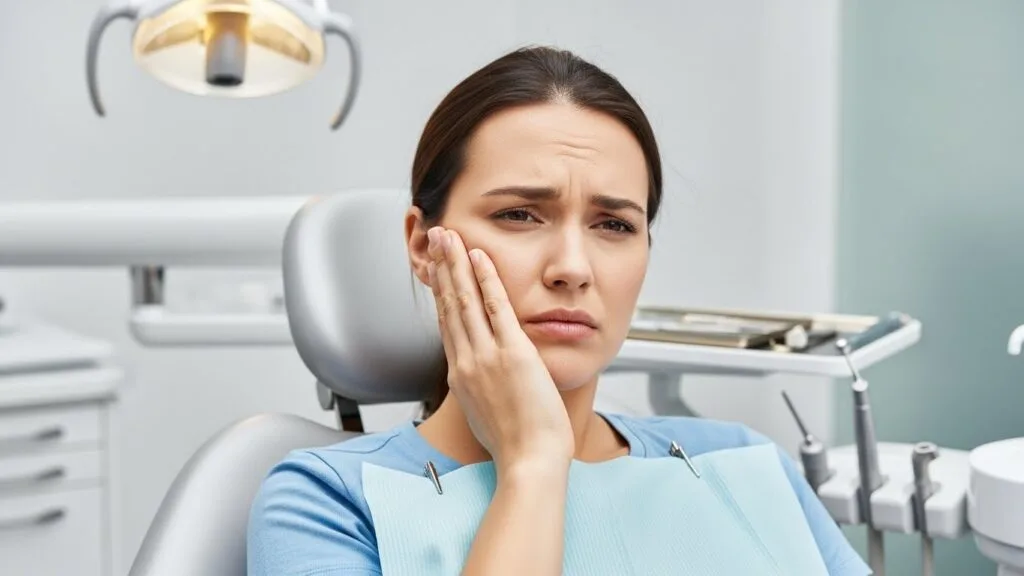
Maintaining good oral health requires more than regular brushing and flossing. Paying attention to changes in the mouth and recognizing early warning signs can help prevent minor dental concerns from becoming more serious problems. Many dental issues develop gradually, and ignoring symptoms may lead to discomfort, complications, or the need for more extensive care.
Understanding Signs of Dental Problems You Should Never Ignore helps individuals identify potential concerns early and seek timely professional advice. Being aware of changes in teeth, gums, and overall oral comfort is an important part of protecting long-term dental health.
Persistent Tooth Pain or Discomfort
Tooth pain is one of the most common signs that something may require attention. Occasional sensitivity may occur, but ongoing or worsening pain should not be ignored.
Persistent tooth discomfort may be linked to:
- Tooth decay
- Damaged enamel
- Infection
- Tooth injury
- Other dental concerns
Early evaluation can help identify the cause and prevent the problem from becoming more severe.
Increased Tooth Sensitivity
Many people experience temporary sensitivity, but frequent or intense sensitivity may indicate an underlying issue. Discomfort when consuming hot, cold, sweet, or acidic foods may suggest changes affecting the tooth surface.
Possible causes include:
- Enamel wear
- Gum recession
- Cavities
- Exposed tooth surfaces
A dental evaluation can help determine the reason behind ongoing sensitivity.
Bleeding Gums
Healthy gums generally should not bleed during normal brushing or flossing. Frequent gum bleeding may be a sign of inflammation or plaque buildup.
Bleeding gums may be associated with:
- Early gum problems
- Poor oral hygiene
- Excess plaque accumulation
- Improper brushing techniques
Addressing gum concerns early helps protect the supporting structures around teeth.
Swollen or Red Gums
Changes in gum appearance should not be overlooked. Swelling, redness, or tenderness may indicate irritation or infection.
Healthy gums should generally appear firm and comfortable. Persistent changes may require professional evaluation to prevent further complications.
Persistent Bad Breath
Occasional bad breath can happen due to food choices or temporary causes, but ongoing bad breath may indicate an oral health concern.
Possible reasons include:
- Bacteria buildup
- Gum problems
- Poor oral hygiene
- Dry mouth
- Dental infections
Improving hygiene habits and identifying the underlying cause can help restore fresh breath.
Loose Teeth in Adults
Adult teeth are designed to remain stable. A loose tooth may indicate an issue that needs attention.
Possible causes include:
- Gum disease
- Dental injury
- Bone support problems
- Advanced dental concerns
Early assessment may help protect surrounding teeth and oral structures.
Cracked or Chipped Teeth
Teeth can become damaged due to injuries, biting hard objects, or other factors. Even small cracks may allow bacteria to enter and increase the risk of further problems.
Signs of tooth damage may include:
- Sharp edges
- Pain while chewing
- Sensitivity
- Visible changes in the tooth
Professional evaluation helps determine the appropriate care.
Changes in Tooth Color
Changes in tooth color may occur for different reasons. While some staining is related to food or lifestyle habits, sudden or unusual discoloration may require attention.
Possible causes include:
- Tooth decay
- Injury
- Enamel changes
- Internal tooth concerns
Identifying the cause early supports better management.
Pain While Chewing
Discomfort when biting or chewing may indicate a dental problem. Pain during chewing should not be ignored, especially if it continues or becomes worse.
Possible causes include:
- Cracked teeth
- Cavities
- Tooth sensitivity
- Problems affecting surrounding tissues
A dental examination can help determine the source of discomfort.
Dry Mouth
Saliva plays an important role in protecting teeth and maintaining oral balance. A consistently dry mouth can increase the risk of cavities and discomfort.
Dry mouth may contribute to:
- Increased bacteria buildup
- Bad breath
- Difficulty swallowing
- Tooth decay risk
Staying hydrated and discussing ongoing symptoms can help manage the condition.
Mouth Sores That Do Not Heal
Most minor mouth sores improve naturally within a short period. However, sores that persist, change, or repeatedly return should be evaluated.
Persistent mouth changes may require professional assessment to identify the cause and appropriate care.
Jaw Pain or Clicking Sounds
Jaw discomfort, stiffness, or clicking sounds may indicate issues involving the jaw joints or surrounding muscles.
Symptoms may include:
- Difficulty opening the mouth
- Jaw tenderness
- Pain while chewing
- Frequent clicking
Early attention can help manage discomfort and prevent worsening symptoms.
Changes in Bite or Tooth Alignment
A sudden change in how teeth fit together may indicate changes in dental health. Bite changes can affect chewing comfort and may require evaluation.
Possible concerns include:
- Tooth movement
- Jaw changes
- Dental damage
- Alignment issues
Monitoring changes helps support better oral function.
Tooth Discomfort After Dental Treatment
Some temporary sensitivity may occur after certain dental procedures. However, prolonged or increasing discomfort should be discussed with a dental professional.
Persistent symptoms may require further evaluation to ensure proper healing.
Importance of Regular Dental Check-Ups
Many dental problems can develop before noticeable symptoms appear. Regular dental visits help identify concerns early and provide preventive care.
Routine check-ups allow monitoring of:
- Tooth health
- Gum condition
- Oral hygiene
- Early signs of problems
Prevention and early treatment help maintain better long-term oral health.
How to Protect Your Oral Health
Simple daily habits can reduce the risk of dental problems and support a healthy smile.
Important practices include:
- Brushing twice daily
- Flossing regularly
- Eating a balanced diet
- Limiting sugary foods
- Drinking enough water
- Visiting a dental professional regularly
Consistent care helps prevent many common concerns.
When to Seek Professional Dental Advice
Individuals should consider professional dental guidance if they experience:
- Ongoing pain
- Bleeding gums
- Swelling
- Tooth sensitivity
- Changes in teeth or gums
- Persistent oral discomfort
Early attention often leads to simpler solutions and better outcomes.
Your smile deserves expert care and personalized attention. With years of experience in advanced orthodontic treatments, Dr. Nizar Ishaq is dedicated to helping patients achieve healthier, more confident smiles through modern techniques and customized treatment plans. Whether you need routine dental care, smile correction, or specialized orthodontic solutions, booking a consultation directly with Dr. Nizar Ishaq ensures professional guidance and patient-focused care. Take the first step toward a healthier, brighter smile by scheduling your consultation today.