
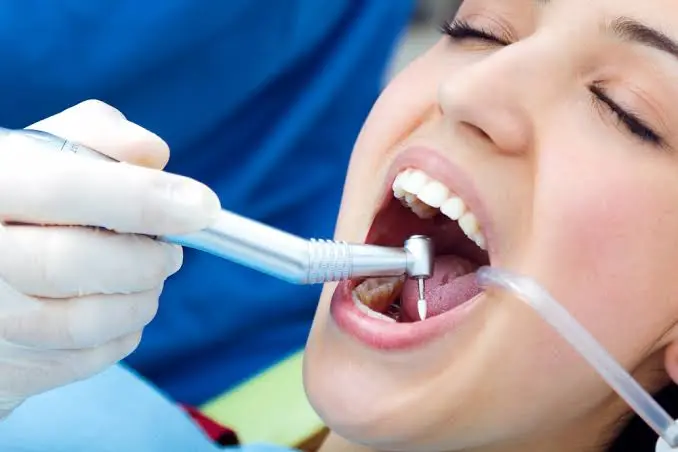
Your teeth are designed to last a lifetime, but they can become damaged due to decay, injury, wear, or gum disease. When this happens, restorative dentistry helps repair the function, strength, and appearance of your teeth. Recognizing the signs you need restorative treatment allows you to seek professional dental care before minor problems become more serious. Early treatment can relieve discomfort, preserve natural teeth, and restore your ability to eat, speak, and smile with confidence.
In this blog, we’ll discuss common warning signs, available restorative treatments, and when it’s time to visit your dentist.
What Is Restorative Dentistry?
Restorative dentistry focuses on repairing or replacing damaged or missing teeth. The goal is to restore normal function while maintaining the health of your mouth.
Depending on your needs, restorative treatments may include:
- Dental fillings
- Dental crowns
- Inlays and onlays
- Root canal treatment
- Dental bridges
- Dental implants
- Dentures
Your dentist will recommend the most suitable treatment after a thorough examination.
Signs You Need Restorative Treatment
Understanding the signs you need restorative treatment can help you identify dental problems early.
1. Persistent Tooth Pain
Ongoing tooth pain is one of the most common warning signs that something is wrong.
Pain may indicate:
- Tooth decay
- Infection
- Cracked teeth
- Damaged fillings
- Nerve irritation
Persistent pain should always be evaluated by a dentist.
2. Tooth Sensitivity
Sensitivity to hot, cold, sweet, or acidic foods may indicate:
- Worn enamel
- Cavities
- Gum recession
- Cracked teeth
- Exposed tooth roots
While occasional sensitivity can have several causes, persistent discomfort deserves professional assessment.
3. Chipped or Broken Teeth
Even small chips can weaken a tooth and increase the risk of further damage.
Restorative treatments such as dental bonding, crowns, or veneers (when appropriate) may help restore both appearance and function.
4. Cavities
Visible holes, dark spots, or areas of decay often require treatment before the damage spreads.
Early cavities may be treated with fillings, while larger cavities could require crowns or root canal therapy.
5. Difficulty Chewing
Pain or discomfort while chewing may result from:
- Cracked teeth
- Loose fillings
- Tooth decay
- Missing teeth
- Bite problems
A dental examination can identify the underlying cause.
6. Missing Teeth
Missing teeth affect more than your smile.
They may lead to:
- Difficulty chewing
- Speech changes
- Bone loss
- Shifting of nearby teeth
- Bite problems
Dental implants, bridges, or dentures can restore missing teeth and improve oral function.
7. Loose Teeth
Adult teeth should never feel loose.
Loose teeth may indicate:
- Gum disease
- Bone loss
- Dental trauma
- Infection
Prompt treatment improves the chances of preserving your natural teeth.
8. Worn Teeth
Teeth may gradually wear down because of:
- Teeth grinding (bruxism)
- Acid erosion
- Aging
- Bite problems
Restorative treatment may rebuild worn surfaces and improve tooth function.
9. Old or Damaged Fillings
Dental restorations do not last forever.
You may need replacement if fillings become:
- Cracked
- Loose
- Worn
- Leaking
- Broken
Replacing damaged restorations helps prevent further decay.
Why Early Treatment Matters
Ignoring dental problems can lead to:
- Larger cavities
- Tooth infections
- Tooth loss
- Gum disease
- More complex treatment
- Higher treatment costs
Seeking care early often allows for simpler and more conservative treatment.
Common Restorative Treatment Options
Your dentist may recommend one or more of the following:
Dental Fillings
Used to repair cavities and restore damaged tooth structure.
Dental Crowns
Cover weakened or heavily damaged teeth to restore strength and function.
Root Canal Treatment
Removes infected pulp while preserving the natural tooth whenever possible.
Dental Bridges
Replace one or more missing teeth by anchoring an artificial tooth to neighboring teeth.
Dental Implants
Replace missing tooth roots with titanium implants that support replacement teeth.
Dentures
Replace multiple missing teeth and improve chewing, speech, and appearance.
How to Prevent Restorative Dental Problems
Although not all dental issues are preventable, healthy habits reduce your risk.
Protect your teeth by:
- Brushing twice daily with fluoride toothpaste.
- Flossing every day.
- Limiting sugary foods and drinks.
- Wearing a mouthguard during sports.
- Using a night guard if you grind your teeth.
- Avoiding chewing hard objects.
- Visiting your dentist regularly.
Preventive care helps detect problems before extensive treatment becomes necessary.
When Should You Visit a Dentist?
Schedule an appointment if you experience:
- Tooth pain
- Tooth sensitivity
- Broken teeth
- Missing teeth
- Loose teeth
- Difficulty chewing
- Swollen gums
- Bleeding gums
- Visible cavities
Prompt evaluation helps determine the most appropriate treatment.
Your smile deserves expert care and personalized attention. With years of experience in advanced orthodontic treatments, Dr. Nizar Ishaq is dedicated to helping patients achieve healthier, more confident smiles through modern techniques and customized treatment plans. Whether you need routine dental care, smile correction, or specialized orthodontic solutions, booking a consultation directly with Dr. Nizar Ishaq ensures professional guidance and patient-focused care. Take the first step toward a healthier, brighter smile by scheduling your consultation today.