
Maintaining good oral hygiene is essential not only for a beautiful smile but also for overall health. Poor oral care can lead to cavities, gum disease, bad breath, and even systemic health issues like heart disease and diabetes. The good news is that improving oral hygiene doesn’t have to be complicated. By incorporating a few simple, consistent habits into your daily routine, you can keep your teeth and gums healthy for life.
1. Brush Your Teeth Correctly
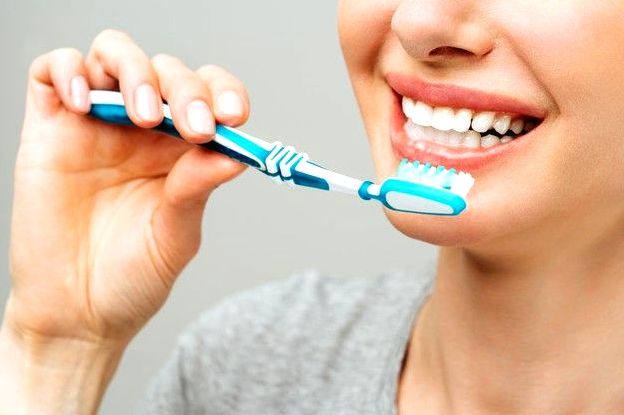
Brushing is the cornerstone of oral hygiene. To brush effectively:
- Use a soft-bristled toothbrush to prevent damage to enamel and gums.
- Brush twice a day—morning and night—for at least two minutes each time.
- Hold the brush at a 45-degree angle to the gums and use gentle circular motions.
- Make sure to brush all surfaces of your teeth, including the outer, inner, and chewing surfaces.
Replacing your toothbrush every three to four months, or when bristles are frayed, ensures maximum cleaning efficiency.
2. Don’t Skip Flossing
Flossing removes plaque and food particles that your toothbrush cannot reach, particularly between teeth and along the gum line. Daily flossing prevents cavities, gum inflammation, and bad breath. Proper flossing technique includes:
- Using 12–18 inches of floss, wrapping it around your fingers, and gently sliding it between teeth.
- Curving the floss around each tooth and moving it up and down, not just side to side.
Even one missed day allows plaque to accumulate, so make flossing a daily habit.
3. Use Mouthwash
Mouthwash provides an extra layer of protection against bacteria and plaque. Antimicrobial mouthwashes reduce bacteria, while fluoride mouthwashes strengthen enamel and prevent decay. Rinsing after meals or at the end of the day can enhance oral hygiene and freshen breath.
4. Maintain a Balanced Diet
Your diet plays a critical role in oral health. Sugary and acidic foods and beverages can lead to cavities and enamel erosion. To protect your teeth:
- Limit sugary snacks, sodas, and processed foods.
- Eat foods rich in calcium, phosphorus, and vitamins to strengthen teeth and gums.
- Include crunchy fruits and vegetables, which naturally clean teeth and stimulate saliva production.
- Drink plenty of water to help wash away food particles and maintain oral moisture.
5. Avoid Tobacco and Limit Alcohol
Tobacco products stain teeth, contribute to gum disease, and increase the risk of oral cancer. Alcohol can dry out the mouth and increase acid exposure. Avoiding these substances protects oral tissues and supports long-term dental health.
6. Address Teeth Grinding
Bruxism, or teeth grinding, can wear down enamel and lead to sensitivity or jaw pain. If you grind your teeth, consider:
- Using a custom night guard to protect teeth while sleeping.
- Practicing stress-reducing techniques like meditation or yoga.
- Avoiding chewing on hard objects like pens or ice.
7. Protect Your Teeth During Activities
Physical activities or accidents can damage teeth. Protect your smile by:
- Wearing a mouthguard during sports.
- Avoiding using your teeth as tools to open packages or bottles.
- Taking safety precautions during high-risk activities.
8. Stay Hydrated
Saliva is vital for neutralizing acids, washing away food particles, and maintaining oral health. Drinking enough water throughout the day helps maintain saliva production and reduces the risk of cavities and dry mouth. Chewing sugar-free gum can also stimulate saliva flow.
9. Regular Dental Checkups
Routine dental visits are crucial for maintaining oral health. Dentists can:
- Detect early signs of cavities, gum disease, and enamel erosion.
- Provide professional cleaning to remove plaque and tartar buildup.
- Offer fluoride treatments or sealants to strengthen teeth.
- Advise on preventive strategies tailored to your oral health needs.
Visiting the dentist every six months is generally recommended, but your dentist may suggest more frequent checkups based on your needs.
10. Develop Consistent Oral Habits
Consistency is key to maintaining good oral hygiene. Some additional habits to adopt include:
- Rinsing your mouth after meals to remove debris.
- Limiting snacking between meals to reduce acid attacks on teeth.
- Practicing mindful brushing and flossing to ensure all areas are covered.
- Teaching children proper oral care early to build lifelong habits.
Your smile deserves expert care and personalized attention. With years of experience in advanced orthodontic treatments,Dr. Nizar Ishaq is dedicated to helping patients achieve healthier, more confident smiles through modern techniques and customized treatment plans. Whether you need routine dental care, smile correction, or specialized orthodontic solutions, booking a consultation directly with Dr. Nizar Ishaq ensures professional guidance and patient-focused care. Take the first step toward a healthier, brighter smile by scheduling your consultation today.