
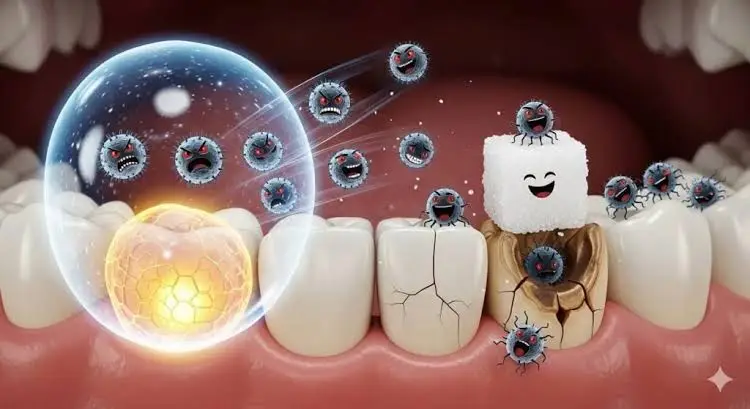
Sugar is one of the biggest contributors to tooth decay, but it is not the sugar itself that directly damages your teeth. Instead, harmful bacteria in your mouth feed on sugar and produce acids that gradually weaken tooth enamel. Understanding Sugar and Tooth Decay Explained can help you make healthier dietary choices, protect your teeth, and reduce the risk of cavities. By combining smart eating habits with good oral hygiene, you can maintain a healthy smile for years to come.
What Is Tooth Decay?
Tooth decay, also known as dental caries or cavities, occurs when the hard outer layer of the tooth (enamel) is damaged by acids produced by bacteria in dental plaque. If left untreated, decay can progress deeper into the tooth, causing pain, infection, and even tooth loss.
The good news is that tooth decay is largely preventable with proper oral care and a balanced diet.
Sugar and Tooth Decay Explained: How It Happens
To understand Sugar and Tooth Decay Explained, it’s important to know what happens after you eat sugary foods or drinks.
The process typically follows these steps:
- You consume foods or beverages containing sugar.
- Bacteria naturally present in your mouth feed on the sugar.
- These bacteria produce acids as a by-product.
- The acids attack your tooth enamel.
- Repeated acid attacks weaken the enamel.
- Over time, cavities can develop if the enamel is not protected.
Frequent exposure to sugar increases the number of acid attacks your teeth experience throughout the day.
Which Sugars Affect Your Teeth?
Many types of sugar can contribute to tooth decay, including:
- Table sugar
- Brown sugar
- Honey
- Syrups
- Glucose
- Fructose
- Sucrose
- Sugary drinks
- Sweetened fruit juices
Even foods that seem healthy may contain added sugars, so reading nutrition labels can help you make informed choices.
Foods and Drinks That Increase the Risk of Cavities
Some of the most common sources of sugar include:
- Soft drinks
- Candy
- Chocolate
- Cakes
- Cookies
- Sweet biscuits
- Ice cream
- Sweetened cereals
- Energy drinks
- Flavored milk with added sugar
Sticky foods are especially harmful because they remain on the teeth for longer periods, giving bacteria more time to produce acids.
Why Frequent Snacking Matters
One of the key concepts in Sugar and Tooth Decay Explained is that how often you consume sugar is often more important than the total amount.
Every time you eat sugary foods, bacteria produce acids that attack your enamel for approximately 20–30 minutes.
Frequent snacking means:
- More acid attacks
- Less time for enamel to recover
- Greater risk of cavities
Limiting sugary snacks between meals can significantly reduce the risk of tooth decay.
How Saliva Protects Your Teeth
Saliva is your mouth’s natural defense system.
It helps by:
- Washing away food particles
- Neutralizing harmful acids
- Providing minerals that repair enamel
- Keeping the mouth moist
- Reducing bacterial growth
Drinking plenty of water and staying hydrated supports healthy saliva production.
How to Reduce the Risk of Tooth Decay
Fortunately, there are many effective ways to protect your teeth.
Brush Twice Daily
Brush for at least two minutes using fluoride toothpaste to remove plaque and strengthen enamel.
Floss Every Day
Flossing removes plaque and food particles from between teeth where brushing cannot reach.
Drink Water
Water rinses away sugars and acids while supporting saliva production.
Choose Healthy Snacks
Instead of sugary snacks, choose:
- Cheese
- Yogurt
- Fresh vegetables
- Nuts (if appropriate)
- Boiled eggs
- Whole fruits
These foods are less likely to contribute to tooth decay.
Limit Sugary Drinks
Replace sugary beverages with:
- Water
- Plain milk
- Unsweetened drinks
Reducing sugary drinks lowers your risk of enamel erosion and cavities.
The Importance of Fluoride
Fluoride helps protect teeth by:
- Strengthening enamel
- Supporting remineralization
- Reducing cavity risk
- Making teeth more resistant to acid attacks
Use fluoride toothpaste as recommended and ask your dentist whether additional fluoride treatments may benefit you.
Regular Dental Check-Ups Matter
Professional dental visits help detect cavities early before they become painful.
Your dentist can:
- Remove plaque and tartar
- Detect early signs of decay
- Apply fluoride treatments if needed
- Provide personalized dietary advice
- Recommend preventive care
Routine check-ups are an important part of cavity prevention.
Teaching Children Healthy Habits
Parents can help children reduce the risk of tooth decay by:
- Limiting sugary snacks
- Encouraging water instead of sugary drinks
- Brushing together twice daily
- Supervising flossing
- Scheduling regular dental visits
- Choosing healthy lunchbox snacks
Developing healthy habits early helps protect children’s smiles for life.
When Should You See a Dentist?
Visit your dentist if you notice:
- Tooth sensitivity
- Tooth pain
- Visible holes in teeth
- Dark spots on teeth
- Persistent bad breath
- Swollen gums
Early treatment can prevent more serious dental problems.
Your smile deserves expert care and personalized attention. With years of experience in advanced orthodontic treatments, Dr. Nizar Ishaq is dedicated to helping patients achieve healthier, more confident smiles through modern techniques and customized treatment plans. Whether you need routine dental care, smile correction, or specialized orthodontic solutions, booking a consultation directly with Dr. Nizar Ishaq ensures professional guidance and patient-focused care. Take the first step toward a healthier, brighter smile by scheduling your consultation today.