
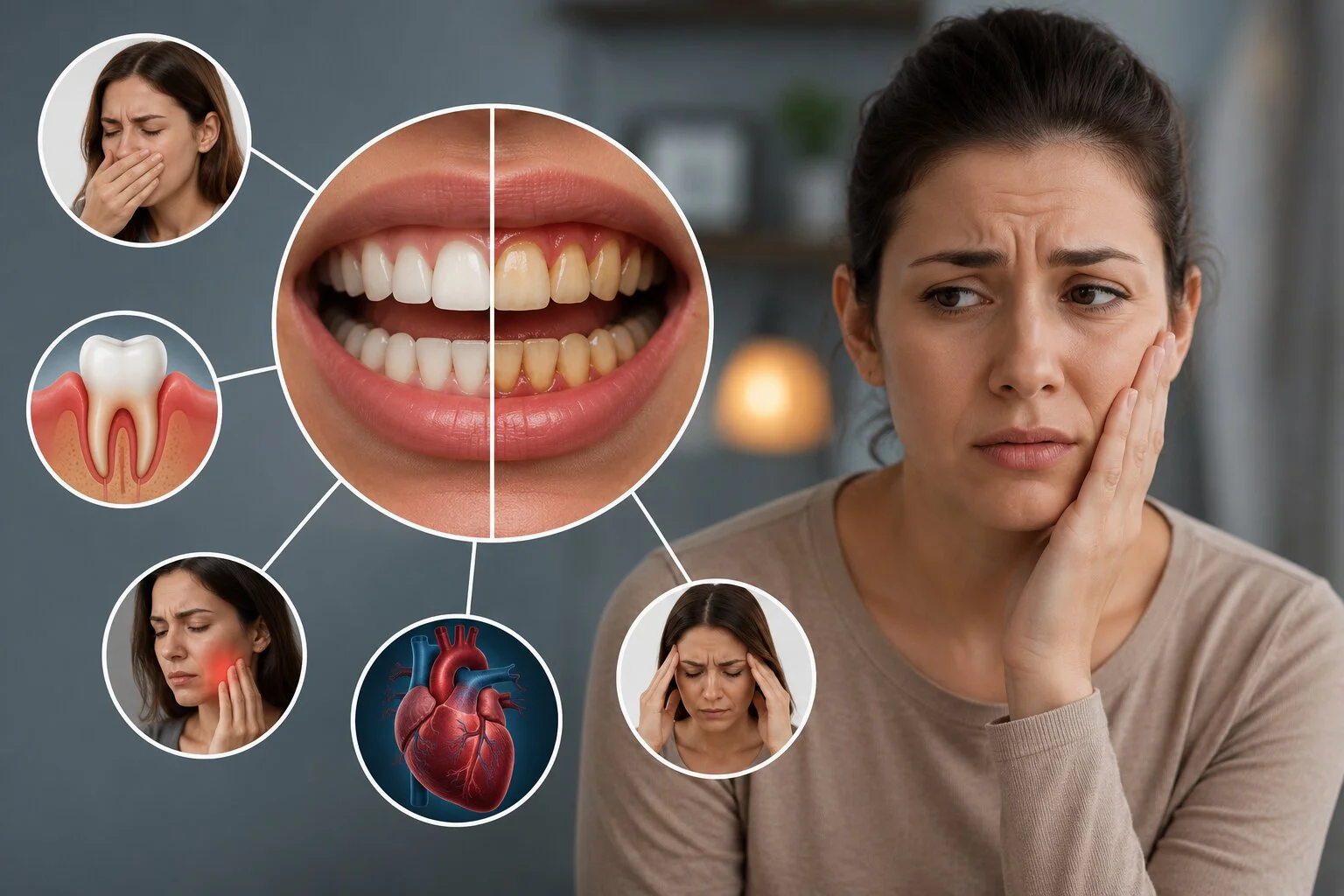
Oral hygiene plays a vital role in maintaining not only a healthy smile but also overall health. When oral care is neglected, harmful bacteria accumulate in the mouth, leading to a wide range of dental and systemic health problems. Understanding The Impact of Poor Oral Hygiene helps individuals recognize how daily habits directly influence teeth, gums, and even general well-being.
Poor oral hygiene does not cause problems overnight—it develops gradually. However, if ignored, it can lead to severe dental conditions that require complex and costly treatments.
What Is Poor Oral Hygiene?
Poor oral hygiene refers to inadequate or irregular care of the teeth, gums, and mouth. This includes:
- Not brushing twice daily
- Skipping flossing
- Irregular dental checkups
- High sugar consumption
- Ignoring early signs of dental issues
Over time, these habits allow plaque and bacteria to build up, damaging oral structures.
Tooth Decay and Cavities
One of the most common effects of poor oral hygiene is tooth decay.
How it happens:
- Bacteria feed on sugar and produce acids
- These acids weaken tooth enamel
- Cavities form over time
Consequences:
- Tooth pain and sensitivity
- Difficulty eating
- Infection in severe cases
- Possible tooth loss
Cavities are preventable but become serious if left untreated.
Gum Disease (Gingivitis and Periodontitis)
Poor oral hygiene is the leading cause of gum disease.
Gingivitis (early stage):
- Red, swollen gums
- Bleeding while brushing
- Mild discomfort
Periodontitis (advanced stage):
- Receding gums
- Loose teeth
- Bone loss around teeth
- Risk of tooth loss
Healthy gums are essential for strong teeth support.
Persistent Bad Breath (Halitosis)
Bad breath is often a sign of poor oral hygiene.
Causes include:
- Food particles trapped in the mouth
- Bacterial buildup on tongue and teeth
- Gum infections
- Dry mouth
Even mouthwash cannot fully fix bad breath without proper cleaning.
Tooth Loss
Severe untreated dental issues can lead to tooth loss.
Reasons include:
- Advanced gum disease
- Untreated cavities
- Bone deterioration
Tooth loss affects chewing ability, speech, and appearance.
Plaque and Tartar Buildup
When oral hygiene is neglected, plaque hardens into tartar.
Effects:
- Increases risk of cavities
- Causes gum inflammation
- Can only be removed by a dentist
Regular brushing prevents this buildup.
Tooth Sensitivity and Pain
Poor oral hygiene exposes sensitive parts of the teeth.
Symptoms include:
- Pain when eating hot or cold foods
- Sharp tooth pain
- Discomfort while chewing
This can worsen without treatment.
Impact on Overall Health
Oral health is closely linked to general health.
Poor oral hygiene may increase the risk of:
- Heart disease
- Diabetes complications
- Respiratory infections
- Weak immune response
Bacteria from the mouth can enter the bloodstream and affect other organs.
Digestive Problems
Chewing is the first step of digestion.
Poor oral health can cause:
- Difficulty chewing food
- Poorly digested food entering the stomach
- Nutritional deficiencies
Healthy teeth are essential for proper digestion.
Nutritional Deficiencies
Painful or missing teeth may affect eating habits.
Results include:
- Avoidance of healthy foods like fruits and vegetables
- Preference for soft, unhealthy foods
- Lack of essential nutrients
This can affect overall growth and immunity.
Impact on Mental and Emotional Health
Oral hygiene also affects confidence and emotional well-being.
Effects include:
- Low self-esteem due to visible dental issues
- Embarrassment while smiling or speaking
- Social withdrawal
- Anxiety in social situations
A healthy smile supports confidence.
Speech and Communication Issues
Dental problems can affect speech clarity.
Possible issues:
- Difficulty pronouncing certain sounds
- Lisping or unclear speech
- Reduced confidence in communication
Teeth and jaw alignment play a key role in speech.
Increased Dental Treatment Costs
Ignoring oral hygiene leads to expensive treatments later.
Examples include:
- Root canal treatments
- Gum surgeries
- Tooth replacements (implants or dentures)
Preventive care is always more affordable than treatment.
Risk of Systemic Infections
In severe cases, oral bacteria can spread beyond the mouth.
Possible complications:
- Infections in the bloodstream
- Inflammation in the body
- Worsening of existing health conditions
This shows how oral hygiene affects the entire body.
Sleep Problems
Dental pain and infections can affect sleep quality.
Issues include:
- Toothache during night
- Teeth grinding (bruxism)
- Jaw discomfort
Poor sleep further impacts overall health.
How to Prevent Poor Oral Hygiene
Prevention is simple and effective with consistent habits.
Key practices:
- Brush twice daily with fluoride toothpaste
- Floss once a day
- Limit sugary foods and drinks
- Drink plenty of water
- Visit the dentist regularly
Small daily habits create long-term protection.
Role of Early Education
Teaching children good oral hygiene early is essential.
Parents should:
- Supervise brushing
- Encourage healthy eating
- Make dental care routine and fun
- Schedule regular dental visits
Early habits prevent future problems.
Importance of Regular Dental Checkups
Dentists play a key role in prevention.
They help by:
- Detecting early signs of decay
- Removing tartar buildup
- Treating gum issues early
- Providing professional cleaning
Regular visits help maintain long-term oral health.
Your smile deserves expert care and personalized attention. With years of experience in advanced orthodontic treatments, Dr. Nizar Ishaq is dedicated to helping patients achieve healthier, more confident smiles through modern techniques and customized treatment plans. Whether you need routine dental care, smile correction, or specialized orthodontic solutions, booking a consultation directly with Dr. Nizar Ishaq ensures professional guidance and patient-focused care. Take the first step toward a healthier, brighter smile by scheduling your consultation today.