
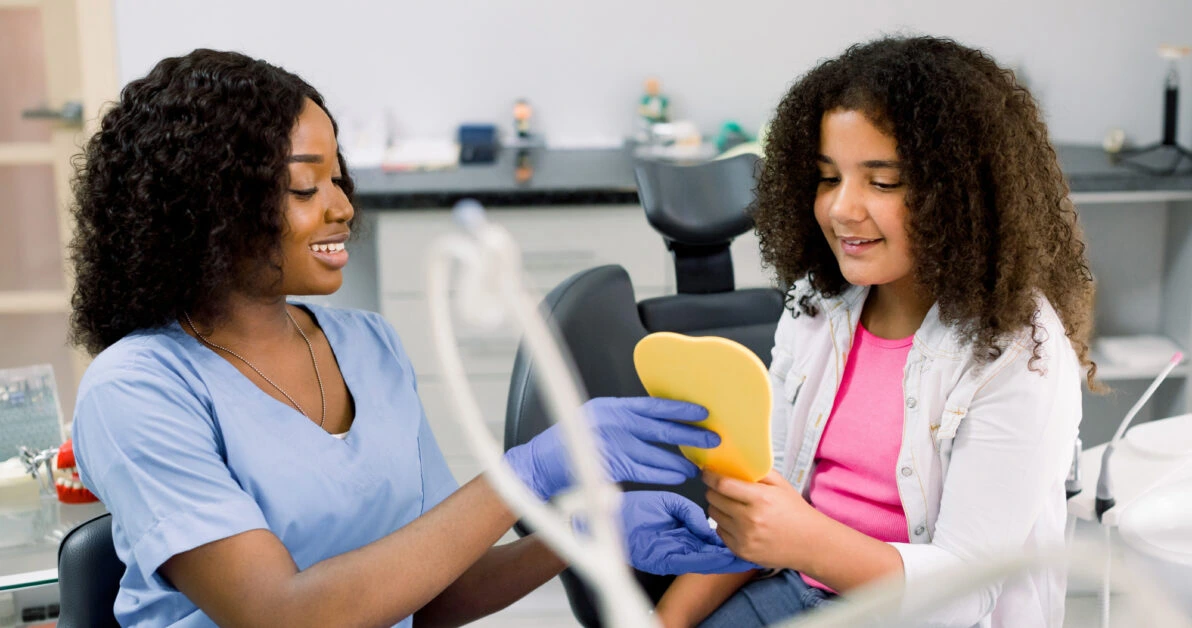
Oral health is an important part of overall well-being, yet many dental problems can develop gradually without obvious symptoms. Awareness helps people understand how everyday habits, diet, hygiene, and professional dental care affect the health of their teeth and gums. Understanding The Role of Awareness in Oral Health can encourage individuals and families to take preventive steps and recognize potential concerns earlier.
Understanding Oral Health
Oral health includes the condition of the teeth, gums, tongue, and other tissues inside the mouth. Good oral health allows people to eat comfortably, speak clearly, smile confidently, and maintain everyday comfort.
Awareness begins with understanding that oral care is not only about having a bright smile. Healthy gums, strong teeth, fresh breath, and the absence of pain or infection are also important indicators of oral well-being.
Why Oral Health Awareness Matters
People who understand the importance of oral hygiene are more likely to develop consistent habits. Knowing why brushing, interdental cleaning, healthy eating, and dental checkups matter can make these activities easier to prioritize.
Awareness can also help people recognize warning signs before they become more serious. A small change in the mouth should not always be ignored simply because it does not cause pain.
The Importance of Daily Brushing
Brushing twice a day with fluoride toothpaste is a fundamental part of oral hygiene. It helps remove plaque, food particles, and bacteria from tooth surfaces.
Awareness about proper brushing technique is equally important. Brushing too quickly, using excessive pressure, or consistently missing the gumline and back teeth can reduce the effectiveness of the routine.
Understanding Plaque
Plaque is a sticky layer of bacteria that constantly forms on teeth. If it is not removed regularly, it can contribute to tooth decay and gum inflammation.
Learning about plaque helps people understand why consistent oral hygiene matters. Brushing and cleaning between the teeth are important because plaque can develop even when the teeth appear clean.
The Role of Diet
Diet can significantly influence dental health. Frequent consumption of sugary foods and drinks can increase the risk of tooth decay because oral bacteria use sugars to produce acids that can damage enamel.
Awareness allows individuals to make more informed choices, such as drinking water regularly, limiting frequent sugary snacks, and choosing nutritious foods as part of a balanced diet.
Recognizing Gum Problems
Healthy gums are generally firm and comfortable. Swelling, redness, tenderness, or frequent bleeding may indicate gum inflammation or another oral health concern.
Some people may assume that bleeding gums are normal, particularly during brushing. Increasing awareness can encourage people to discuss persistent symptoms with a dental professional instead of ignoring them.
Recognizing Tooth Decay
Tooth decay does not always cause immediate pain. Early changes may be difficult for individuals to notice without a dental examination.
Regular checkups can help identify developing cavities before they become more advanced. Awareness of the importance of preventive visits can therefore support earlier intervention.
Understanding Bad Breath
Bad breath can have several causes, including poor oral hygiene, bacteria on the tongue, gum problems, dry mouth, certain foods, and other health conditions.
Temporary bad breath may be related to food or normal changes in the mouth, but persistent unpleasant breath should be professionally evaluated. Awareness can help people avoid simply masking the problem with mints or mouthwash.
The Importance of Cleaning Between Teeth
A toothbrush cannot effectively clean every surface between the teeth. Flossing or using an appropriate interdental cleaning tool can help remove plaque from these areas.
Understanding this limitation can encourage people to include interdental cleaning as a regular part of their oral hygiene routine.
Tongue Cleaning Awareness
The tongue can collect bacteria and food particles on its surface. Gently cleaning the tongue can complement regular brushing and contribute to a cleaner-feeling mouth.
People should avoid aggressive scraping, which can irritate the tongue. Simple, gentle cleaning is generally sufficient.
Recognizing Dental Warning Signs
Oral health awareness involves knowing when professional attention may be necessary. Warning signs can include persistent tooth pain, sensitivity, swollen gums, bleeding, mouth sores, loose teeth, changes in the appearance of oral tissues, or difficulty chewing.
These symptoms do not always indicate a serious condition, but persistent changes should be evaluated rather than ignored.
Oral Health Awareness for Children
Teaching children about oral health from an early age can help establish lifelong habits. Parents can explain why brushing is important, demonstrate proper techniques, and make oral care part of daily routines.
Children should also learn that dental visits are a normal part of maintaining health rather than something that should happen only when a tooth hurts.
Supporting Teenagers
Teenagers often become more independent with their health routines. Busy schedules, frequent snacking, sugary drinks, orthodontic appliances, and social influences can affect their oral hygiene.
Providing teenagers with accurate information and encouraging them to take responsibility for brushing, interdental cleaning, and regular dental visits can support better long-term habits.
Awareness During Orthodontic Treatment
Braces and clear aligners require additional attention to oral hygiene. Food particles and plaque may accumulate around brackets, wires, or other orthodontic components.
Patients who understand these risks are more likely to follow cleaning instructions and attend scheduled orthodontic appointments.
The Importance of Regular Dental Checkups
Professional dental examinations are an essential part of oral health awareness. A dental professional can evaluate the teeth and gums, identify problems that may not yet be noticeable, and provide personalized preventive advice.
Regular checkups can also help individuals understand their specific risk factors and improve their home-care routine.
Preventive Care Can Reduce Future Problems
Prevention is often easier than managing an advanced dental problem. Consistent oral hygiene, a balanced diet, protective measures during sports, and regular dental visits can reduce the risk of many common oral health concerns.
Awareness helps people understand that preventive care is an ongoing process rather than a one-time activity.
Avoiding Harmful Oral Habits
Some everyday habits can damage teeth. Chewing on ice, biting hard objects, using teeth to open packages, or consuming sugary drinks frequently can increase dental risks.
Understanding the potential consequences of these behaviors makes it easier to replace them with safer alternatives.
Oral Health and Overall Well-Being
The mouth is connected to everyday functions such as eating, speaking, sleeping, and social interaction. Dental pain or oral discomfort can interfere with normal activities and affect quality of life.
Maintaining oral health is therefore an important part of a broader healthy lifestyle.
Using Reliable Information
The internet provides a large amount of dental information, but not all of it is accurate. People should be cautious about unverified home remedies, unsupported whitening methods, or advice that encourages delaying professional care.
Qualified dental professionals can provide reliable guidance based on an individual’s oral health needs.
Building a Culture of Oral Health
Families, schools, and communities can all contribute to oral health awareness. Teaching children about brushing, encouraging healthy food choices, and making preventive dental visits routine can create positive attitudes toward oral care.
Simple education can have long-term benefits when it is reinforced consistently.
Your smile deserves expert care and personalized attention. With years of experience in advanced orthodontic treatments, Dr. Nizar Ishaq is dedicated to helping patients achieve healthier, more confident smiles through modern techniques and customized treatment plans. Whether you need routine dental care, smile correction, or specialized orthodontic solutions, booking a consultation directly with Dr. Nizar Ishaq ensures professional guidance and patient-focused care. Take the first step toward a healthier, brighter smile by scheduling your consultation today.