
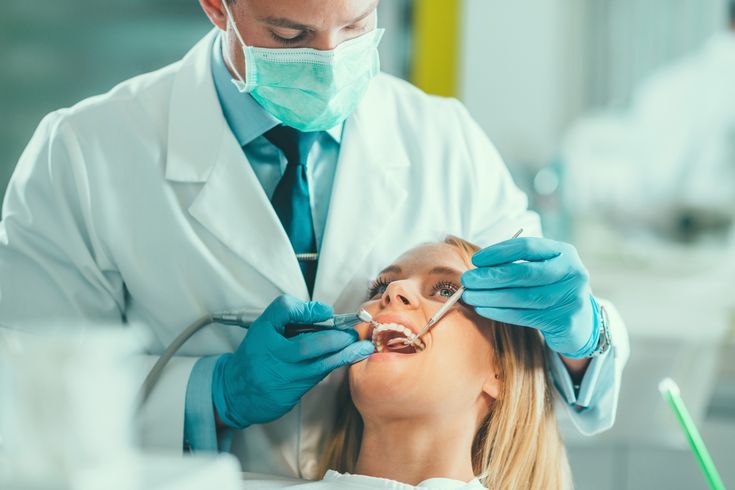
Maintaining optimal oral health goes far beyond brushing and flossing regularly. Early detection of dental issues plays a crucial role in preserving not only your smile but your overall health. Recognizing potential problems before they escalate allows for timely intervention, less invasive treatments, and better long-term outcomes.
Understanding Early Detection
Early detection in dental care refers to identifying dental problems in their initial stages, often before noticeable symptoms appear. Common issues such as cavities, gum disease, misalignment, and oral cancers can develop silently. Regular dental check-ups and screenings allow professionals to spot these concerns early, ensuring effective and conservative treatment.
Benefits of Early Detection
- Prevents Serious Complications
Detecting dental problems early helps prevent their progression into more severe conditions. For example, identifying early gum disease (gingivitis) can prevent it from advancing to periodontitis, which can result in tooth loss and impact overall health. - Reduces Treatment Costs
Treating dental issues in their early stages is typically simpler and more affordable. A small cavity can be treated with a filling, whereas advanced decay might require a root canal or crown, which is more time-consuming and expensive. - Minimizes Pain and Discomfort
Early intervention often means less pain and fewer complications. Addressing problems promptly can spare patients the discomfort associated with advanced decay, infections, or oral surgery. - Supports Overall Health
Oral health is closely linked to systemic health. Untreated dental infections can contribute to heart disease, diabetes complications, and other serious conditions. Early detection ensures that oral problems do not negatively affect overall wellbeing. - Promotes Long-Term Dental Health
Regular screenings and preventive care help maintain healthy teeth and gums over a lifetime. Early detection empowers individuals to adopt preventive measures, reducing the likelihood of complex procedures later in life.
Methods of Early Detection
- Routine Dental Exams: Regular check-ups allow dentists to assess teeth, gums, and soft tissues for any early signs of issues.
- Dental X-Rays: X-rays reveal hidden problems like cavities between teeth, impacted teeth, and bone loss that are not visible during a standard exam.
- Oral Cancer Screenings: Early identification of precancerous or cancerous lesions improves the chances of successful treatment.
- Professional Cleanings: Dental hygienists can detect early signs of decay, plaque buildup, or gum inflammation during cleanings.
Tips for Patients
- Schedule Regular Check-Ups: Visiting your dentist every six months is recommended to catch potential issues early.
- Maintain Good Oral Hygiene: Daily brushing and flossing prevent plaque buildup and reduce the risk of cavities and gum disease.
- Monitor Your Oral Health: Be aware of changes such as bleeding gums, persistent bad breath, or tooth sensitivity, and report them promptly.
- Adopt a Healthy Lifestyle: Limiting sugary foods, quitting smoking, and maintaining a balanced diet contribute to stronger teeth and gums.
Your smile deserves expert care and personalized attention. With years of experience in advanced orthodontic treatments,Dr. Nizar Ishaq is dedicated to helping patients achieve healthier, more confident smiles through modern techniques and customized treatment plans. Whether you need routine dental care, smile correction, or specialized orthodontic solutions, booking a consultation directly with Dr. Nizar Ishaq ensures professional guidance and patient-focused care. Take the first step toward a healthier, brighter smile by scheduling your consultation today.