
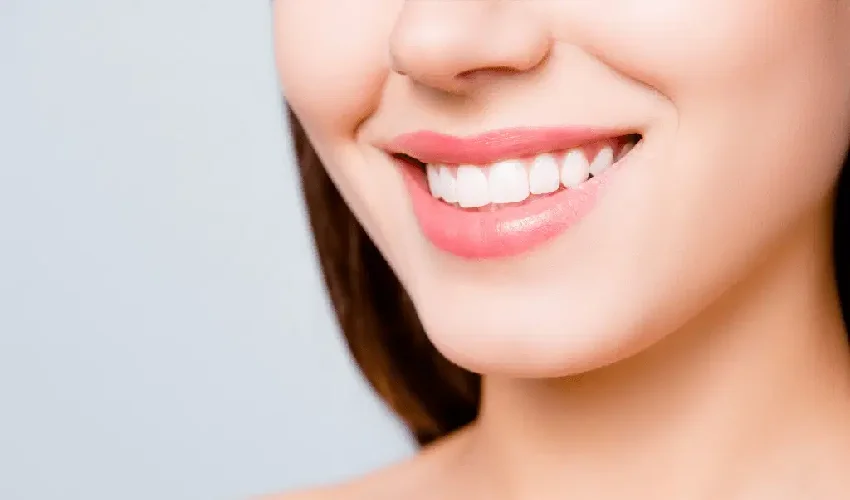
A bright smile is often associated with health, confidence, and good personal care. Over time, teeth can become stained or discolored due to food, drinks, aging, smoking, and poor oral hygiene. Teeth whitening treatments help restore the natural brightness of teeth and improve overall smile aesthetics.
Understanding Different Whitening Treatments is essential for choosing the safest and most effective method based on individual needs, dental condition, and desired results.
Why Teeth Become Discolored
Before exploring whitening options, it is important to understand the causes of discoloration:
- Consumption of coffee, tea, and red wine
- Smoking and tobacco use
- Poor oral hygiene
- Aging and enamel thinning
- Certain medications
- Excess fluoride exposure
These factors gradually stain the enamel or affect the inner layers of teeth.
Professional In-Office Whitening
In-office whitening is one of the fastest and most effective dental treatments.
How it works:
A dentist applies a high-concentration whitening gel to the teeth, sometimes activated by a special light or laser.
Benefits:
- Immediate visible results
- Stronger whitening effect
- Supervised by dental professionals
- Safe and controlled procedure
Best for:
People who want quick results for special occasions or severe staining.
Take-Home Whitening Kits from Dentists
Dentist-supervised at-home kits are a more gradual whitening option.
How it works:
Custom-made trays are filled with a professional whitening gel and worn for a specific time each day.
Benefits:
- Convenient at-home use
- Gradual and natural-looking results
- Lower sensitivity compared to in-office whitening
- Custom fit for better safety
Best for:
Individuals who prefer flexibility and gradual improvement.
Over-the-Counter Whitening Products
These are widely available in pharmacies and stores.
Common types:
- Whitening toothpaste
- Whitening strips
- Whitening pens
- Mouth rinses
Benefits:
- Affordable
- Easy to use
- Widely accessible
Limitations:
- Slower results
- Less effective on deep stains
- May not provide long-lasting whitening
Laser Whitening Treatments
Laser whitening is an advanced professional treatment.
How it works:
A whitening gel is applied, then activated using laser light to enhance results.
Benefits:
- Fast results in a single session
- More effective stain removal
- Reduced treatment time
Best for:
Patients with stubborn or deep discoloration.
Natural Whitening Methods
Some people prefer natural approaches to maintain whiteness.
Common methods:
- Brushing with baking soda occasionally
- Oil pulling (coconut oil)
- Eating crunchy fruits and vegetables
Benefits:
- Gentle maintenance
- Improves oral hygiene habits
Important note:
Natural methods are not as effective as professional treatments and should not replace dental care.
Whitening Toothpaste
Whitening toothpaste contains mild abrasives and chemical agents.
Benefits:
- Helps remove surface stains
- Easy daily use
- Maintains whitening results
Limitations:
- Does not change natural tooth color significantly
- Works only on external stains
Internal Whitening (For Non-Vital Teeth)
This treatment is used when a tooth has darkened due to internal damage or root canal treatment.
How it works:
Whitening agents are placed inside the tooth to lighten its color from within.
Benefits:
- Targets internal discoloration
- Restores natural tooth appearance
Risks and Side Effects of Whitening
While generally safe, whitening treatments may cause:
- Temporary tooth sensitivity
- Gum irritation
- Uneven whitening if not done properly
These effects are usually short-term and manageable.
Choosing the Right Whitening Treatment
The best whitening method depends on:
- Severity of staining
- Budget
- Time availability
- Tooth sensitivity
- Dental health condition
A dental consultation helps select the safest and most effective option.
Maintaining Whitening Results
After whitening treatment, proper care is essential.
Tips include:
- Avoid staining foods and drinks
- Brush twice daily with fluoride toothpaste
- Use a straw for dark beverages
- Visit the dentist regularly
- Avoid smoking or tobacco
Maintenance helps prolong results.
When to See a Dentist
Consult a dentist if:
- Discoloration is severe or uneven
- Teeth are sensitive before treatment
- Whitening products do not work
- You want professional guidance
Professional advice ensures safe and effective whitening.
Your smile deserves expert care and personalized attention. With years of experience in advanced orthodontic treatments, Dr. Nizar Ishaq is dedicated to helping patients achieve healthier, more confident smiles through modern techniques and customized treatment plans. Whether you need routine dental care, smile correction, or specialized orthodontic solutions, booking a consultation directly with Dr. Nizar Ishaq ensures professional guidance and patient-focused care. Take the first step toward a healthier, brighter smile by scheduling your consultation today.