
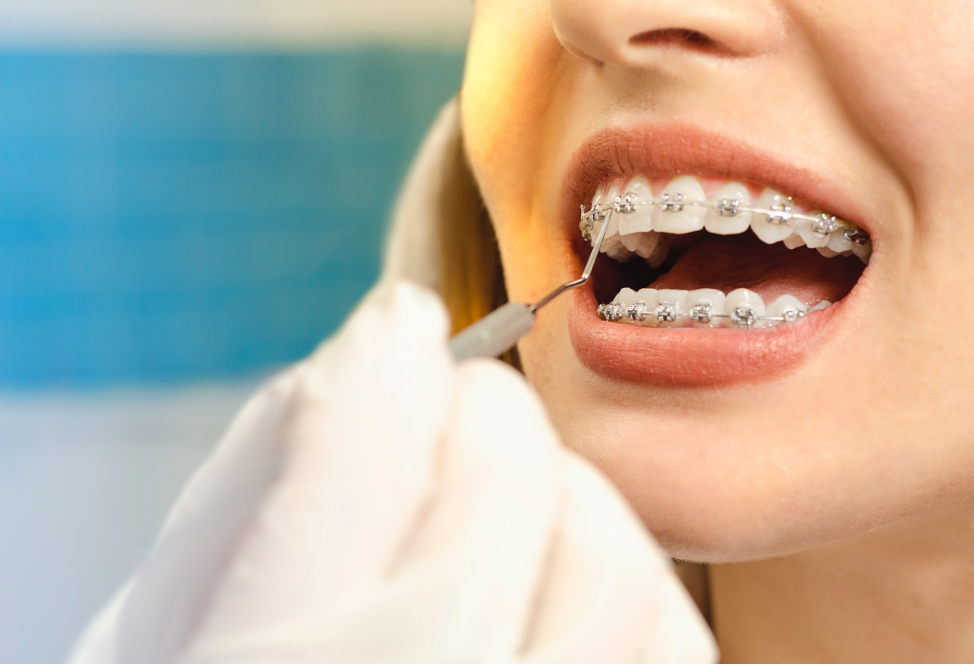
Orthodontic care is a specialized branch of dentistry focused on diagnosing, preventing, and correcting misaligned teeth and jaw irregularities. While many people associate orthodontics with braces and straight teeth, its role extends far beyond aesthetics. Understanding the role of orthodontic care helps patients appreciate how it contributes to oral health, proper function, and long-term well-being.
From early intervention in children to corrective treatment in adults, orthodontics plays a crucial role in building healthier, more functional smiles.
What Is Orthodontic Care?
Orthodontic care involves the use of dental appliances such as braces, aligners, and retainers to gradually move teeth into proper alignment. It also addresses jaw positioning and bite issues, ensuring that teeth work together correctly.
The main goals of orthodontic care include:
- Aligning crooked or crowded teeth
- Correcting bite problems (overbite, underbite, crossbite)
- Improving jaw alignment
- Enhancing overall oral function and appearance
By addressing these issues, orthodontics improves both oral health and facial harmony.
Improving Dental Alignment
One of the primary roles of orthodontic care is to straighten misaligned teeth. Crooked or crowded teeth can make oral hygiene difficult, leading to plaque buildup and cavities.
Proper alignment helps:
- Make brushing and flossing easier
- Reduce the risk of tooth decay
- Improve overall oral cleanliness
Straight teeth are not only more attractive but also healthier and easier to maintain.
Correcting Bite Issues
A proper bite ensures that upper and lower teeth fit together correctly when the mouth closes. Misaligned bites can lead to several problems, including difficulty chewing, speech issues, and jaw pain.
Common bite problems include:
- Overbite (upper teeth overlap lower teeth)
- Underbite (lower teeth extend beyond upper teeth)
- Crossbite (misaligned side-to-side bite)
- Open bite (gap between upper and lower teeth)
Orthodontic treatment helps correct these issues, improving both function and comfort.
Enhancing Oral Health
Orthodontic care plays a significant role in maintaining long-term oral health. Misaligned teeth create tight spaces where food particles and bacteria can accumulate.
By correcting alignment, orthodontics helps:
- Prevent cavities
- Reduce gum disease risk
- Improve gum health
- Minimize tooth wear and damage
Healthy alignment ensures that teeth function properly and remain strong over time.
Supporting Proper Jaw Development
In children and teenagers, orthodontic care is essential for guiding jaw growth and development. Early treatment can prevent more serious issues later in life.
Benefits of early intervention include:
- Proper jaw alignment
- Reduced need for complex treatments later
- Improved facial symmetry
- Better long-term dental stability
Orthodontists often monitor growth patterns to ensure healthy development.
Improving Speech and Chewing Function
Misaligned teeth and jaw issues can affect speech clarity and chewing efficiency. Orthodontic treatment helps correct these functional problems.
Improved alignment leads to:
- Clearer speech
- Better chewing ability
- Reduced strain on jaw muscles
This enhances everyday comfort and overall quality of life.
Boosting Facial Aesthetics
While function is the primary focus, orthodontic care also enhances facial appearance. A well-aligned smile contributes to overall facial balance and symmetry.
Improvements may include:
- Straighter smile line
- Better lip support
- More balanced facial proportions
This often leads to increased confidence and self-esteem.
Preventing Long-Term Dental Problems
Untreated orthodontic issues can lead to serious long-term complications, such as:
- Excessive tooth wear
- Jaw joint problems (TMJ disorders)
- Chronic gum disease
- Tooth loss in severe cases
Early and timely orthodontic care helps prevent these complications and supports lifelong dental health.
Types of Orthodontic Treatments
Modern orthodontics offers a variety of treatment options based on individual needs.
1. Traditional Braces
Metal or ceramic brackets connected by wires that gradually move teeth.
2. Clear Aligners
Removable, nearly invisible trays that shift teeth into position.
3. Retainers
Used after treatment to maintain alignment and prevent relapse.
Each option is chosen based on complexity, age, and patient preference.
Role of Technology in Orthodontic Care
Advancements in dental technology have made orthodontic treatment more precise and comfortable.
Modern tools include:
- 3D digital scans
- Computer-assisted treatment planning
- AI-based movement prediction
- Customized aligner systems
These innovations improve accuracy and reduce treatment time in many cases.
Importance of Patient Commitment
Successful orthodontic treatment requires patient cooperation. Following instructions ensures better and faster results.
Patients are advised to:
- Wear appliances as directed
- Maintain good oral hygiene
- Attend regular check-ups
- Follow dietary guidelines
Consistency plays a major role in treatment success.
Orthodontic Care for All Ages
Orthodontic treatment is not limited to children. Adults can also benefit significantly.
Children:
- Early intervention and growth guidance
Teenagers:
- Comprehensive alignment during growth stages
Adults:
- Cosmetic and functional correction at any age
It is never too late to improve dental alignment and oral health.
Psychological and Emotional Benefits
Beyond physical improvements, orthodontic care has a positive impact on mental well-being. A well-aligned smile often leads to:
- Increased confidence
- Better social interactions
- Improved self-image
- Reduced self-consciousness
These emotional benefits are just as important as clinical outcomes.
Your smile deserves expert care and personalized attention. With years of experience in advanced orthodontic treatments,Dr. Nizar Ishaq is dedicated to helping patients achieve healthier, more confident smiles through modern techniques and customized treatment plans. Whether you need routine dental care, smile correction, or specialized orthodontic solutions, booking a consultation directly with Dr. Nizar Ishaq ensures professional guidance and patient-focused care. Take the first step toward a healthier, brighter smile by scheduling your consultation today.