
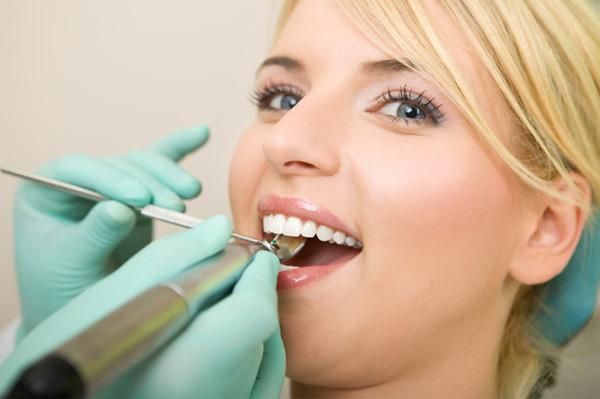
A healthy smile is more than just a cosmetic asset—it’s a reflection of overall well-being. Oral health affects everything from nutrition to self-confidence, and taking care of your teeth and gums should never be underestimated. Understanding why smile care is important at every age can help you adopt lifelong habits that preserve your dental health, prevent disease, and enhance your quality of life.
Smile Care in Childhood
The foundation of good oral health begins in childhood. Baby teeth, often overlooked, play a crucial role in the development of permanent teeth and proper jaw alignment. Neglecting oral care in childhood can lead to cavities, infections, and misaligned teeth, which can affect speech and eating habits.
Parents should emphasize brushing twice a day with fluoride toothpaste and introduce flossing as soon as teeth touch. Regular dental checkups are essential, as dentists can monitor growth, detect early issues, and provide guidance on diet and oral hygiene practices. Teaching children the value of smile care early sets the stage for a lifetime of healthy habits.
Smile Care in Adolescence
Adolescence is a period of rapid growth and change, and oral health can be challenged by hormonal fluctuations, diet, and lifestyle choices. Teens often consume more sugary snacks and drinks, which increase the risk of cavities and enamel erosion. Orthodontic treatments such as braces or clear aligners are also common at this stage, making diligent oral hygiene even more crucial.
Regular brushing, flossing, and dental visits are essential during adolescence. Protecting teeth from sports injuries with mouthguards and addressing bad habits like teeth grinding can prevent long-term damage. Understanding why smile care is important at every age empowers teenagers to make informed choices about their dental health and appearance.
Smile Care in Adulthood
In adulthood, oral health becomes more closely linked to overall health. Gum disease, cavities, and enamel erosion can develop or worsen if proper care is neglected. Conditions like diabetes, heart disease, and osteoporosis are also connected to oral health, highlighting the systemic importance of maintaining a healthy smile.
Adults should maintain a consistent oral hygiene routine, including brushing twice daily, flossing, and using mouthwash when appropriate. Regular dental checkups help detect problems early, such as cavities, gum inflammation, or signs of oral cancer. Cosmetic dental treatments, such as whitening or veneers, may also be pursued to enhance confidence, but they should complement—not replace—good oral hygiene practices.
Smile Care in Older Adults
As we age, teeth naturally undergo wear and tear. Gum recession, enamel thinning, and dry mouth are common concerns in older adults. These changes increase susceptibility to cavities, sensitivity, and infections. Additionally, older adults may be more likely to have restorations like crowns or dentures, which require special care.
Maintaining oral health in older age is critical not just for teeth but for overall well-being. Poor oral hygiene can lead to infections, affect nutrition, and even exacerbate chronic health conditions. Daily brushing, gentle flossing, and regular dental visits are essential. Special products such as fluoride gels, electric toothbrushes, and denture care solutions can help older adults maintain a healthy, functional smile.
The Psychological and Social Benefits of Smile Care
Beyond physical health, caring for your smile at every age has psychological and social advantages. A healthy smile boosts self-confidence, encourages social interaction, and contributes to a positive self-image. People with good oral health are often perceived as more approachable and professional, enhancing both personal and professional relationships.
Neglecting oral health, on the other hand, can lead to embarrassment, social withdrawal, and even anxiety. By understanding why smile care is important at every age, individuals can appreciate that oral hygiene is not just about preventing decay—it is about preserving confidence and quality of life.
Practical Tips for Lifelong Smile Care
To protect your smile at every stage of life, consider these practical tips:
- Brush and Floss Daily: Twice daily brushing and daily flossing remove plaque and food particles that cause decay.
- Regular Dental Checkups: Visit your dentist at least twice a year for professional cleaning and preventive care.
- Healthy Diet: Limit sugary and acidic foods and drinks, and include calcium-rich foods to strengthen teeth.
- Protect Your Teeth: Use mouthguards for sports and avoid using teeth as tools to open objects.
- Address Issues Promptly: Treat cavities, gum inflammation, and misalignment early to prevent complications.
Your smile deserves expert care and personalized attention. With years of experience in advanced orthodontic treatments, Dr. Nizar Ishaq is dedicated to helping patients achieve healthier, more confident smiles through modern techniques and customized treatment plans. Whether you need routine dental care, smile correction, or specialized orthodontic solutions, booking a consultation directly with Dr. Nizar Ishaq ensures professional guidance and patient-focused care. Take the first step toward a healthier, brighter smile by scheduling your consultation today.