
Blog

Blog

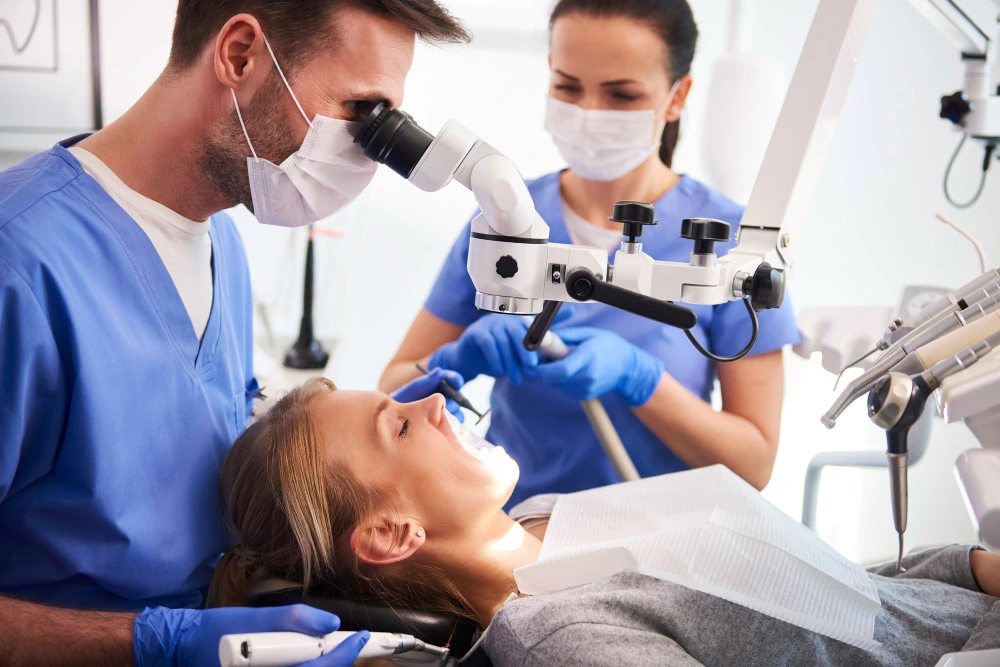
Modern Advances in Restorative Dentistry

Restorative dentistry has evolved significantly over the past few decades, offering patients more effective, comfortable, and natural-looking solutions for repairing damaged or missing teeth. Thanks to advancements in dental technology, materials, and treatment techniques, modern restorative dentistry can restore both the function and appearance of teeth with greater precision than ever before. Understanding modern advances in restorative dentistry can help patients appreciate the innovative options available for improving oral health, preserving natural teeth, and achieving long-lasting dental results. What Is Restorative Dentistry? Restorative dentistry focuses on diagnosing, treating, and managing dental conditions that affect the structure, function, and appearance of teeth. The goal is to restore oral health, improve chewing ability, and maintain a healthy smile. Common restorative treatments include: Modern advancements have made these treatments more durable, efficient, and aesthetically pleasing. Why Restorative Dentistry Is Important Damaged or missing teeth can affect more than appearance. They may lead to: Restorative dentistry helps rebuild oral function and supports long-term dental health. 1. Digital Dentistry and Advanced Imaging One of the most significant advances in restorative dentistry is the use of digital technology. Digital tools provide: Modern imaging systems allow dentists to view teeth, bone structures, and surrounding tissues in greater detail, leading to more accurate treatment decisions. 2. Computer-Aided Design and Manufacturing (CAD/CAM) CAD/CAM technology has transformed the way dental restorations are created. Benefits include: Dentists can design and fabricate crowns, veneers, and other restorations with exceptional accuracy. 3. Tooth-Colored Restorations Traditional metal restorations have largely been replaced by more natural-looking alternatives. Modern restorative materials include: These materials offer: Patients can often restore damaged teeth without compromising their smile’s appearance. 4. Improved Dental Implant Technology Dental implants are considered one of the most advanced solutions for replacing missing teeth. Recent advancements have improved: Modern implants provide excellent stability and closely mimic the function of natural tooth roots. 5. 3D Printing in Dentistry 3D printing technology is increasingly being used in restorative dental procedures. Applications include: This technology helps improve efficiency, accuracy, and customization during treatment. 6. Minimally Invasive Treatment Techniques Modern dentistry emphasizes preserving as much natural tooth structure as possible. Minimally invasive approaches may involve: Benefits include: These techniques support long-term oral health. 7. Advanced Dental Materials New restorative materials are stronger and more durable than ever before. Modern materials provide: These innovations help restorations withstand daily chewing forces while maintaining a natural appearance. 8. Better Bonding Technologies Dental bonding techniques have improved significantly in recent years. Advanced bonding systems help: Strong bonding contributes to successful restorative outcomes. 9. Enhanced Patient Comfort Technological advancements have made restorative procedures more comfortable for patients. Examples include: Patient-centered care continues to be a major focus of modern dentistry. 10. Digital Impressions Traditional dental impressions can sometimes be uncomfortable for patients. Digital impression systems offer: These systems create highly detailed digital models without the need for conventional impression materials. 11. Improved Denture Technology Modern dentures are more comfortable, stable, and natural-looking than previous generations. Advancements include: These improvements help patients enjoy better function and confidence. 12. Personalized Treatment Planning Modern restorative dentistry focuses on individualized care. Dentists can now create treatment plans based on: Personalized treatment contributes to more predictable and satisfying outcomes. Benefits of Modern Restorative Dentistry Today’s advanced techniques offer numerous advantages: Patients can achieve healthier smiles with less inconvenience than ever before. Who Can Benefit from Restorative Dentistry? Restorative dentistry may benefit individuals who have: A comprehensive dental evaluation can determine the most appropriate treatment options. The Future of Restorative Dentistry The future of restorative dentistry continues to be shaped by innovation. Emerging developments may include: These advancements aim to further improve patient outcomes and treatment efficiency. Your smile deserves expert care and personalized attention. With years of experience in advanced orthodontic treatments, Dr. Nizar Ishaq is dedicated to helping patients achieve healthier, more confident smiles through modern techniques and customized treatment plans. Whether you need routine dental care, smile correction, or specialized orthodontic solutions, booking a consultation directly with Dr. Nizar Ishaq ensures professional guidance and patient-focused care. Take the first step toward a healthier, brighter smile by scheduling your consultation today.


Blog

How to Care for Dental Restorations

Dental restorations play an important role in repairing damaged teeth, restoring oral function, and improving the appearance of your smile. Whether you have fillings, crowns, bridges, veneers, implants, or dentures, proper care is essential to maintain their longevity and protect your overall oral health. While dental restorations are designed to be durable, they still require regular maintenance and good oral hygiene habits. Understanding how to care for dental restorations can help you prevent complications, extend the life of your dental work, and keep your smile healthy for years to come. What Are Dental Restorations? Dental restorations are treatments used to repair or replace damaged, decayed, or missing teeth. Their purpose is to restore the function, structure, and appearance of your teeth. Common types of dental restorations include: Each restoration type has unique care requirements, but many maintenance principles apply to all of them. Why Proper Care Is Important Even though restorations are made from durable materials, they are not indestructible. Poor oral hygiene or unhealthy habits can lead to problems such as: Proper care helps preserve both your restorations and your natural teeth. 1. Brush Your Teeth Twice Daily Good oral hygiene remains the foundation of restoration care. To maintain healthy teeth and restorations: Regular brushing helps remove plaque and reduce the risk of decay and gum disease. 2. Floss Every Day Flossing is especially important for people with dental restorations. Daily flossing helps: Your dentist may recommend specialized flossing tools for bridges, implants, or other restorations. 3. Use Recommended Oral Care Products Some dental restorations may benefit from specific oral care products. Your dentist may suggest: Using appropriate products can help maintain both oral health and restoration integrity. 4. Attend Regular Dental Checkups Routine dental visits are essential for monitoring the condition of restorations. During checkups, your dentist can: Regular visits help identify problems before they become more serious. 5. Avoid Using Teeth as Tools Using your teeth to open packages, bite fingernails, or hold objects can place unnecessary stress on restorations. These habits may cause: Always use proper tools instead of your teeth whenever possible. 6. Be Careful with Hard Foods Although many restorations are durable, biting very hard foods can increase the risk of damage. Foods that may require caution include: Avoiding excessive force can help preserve your dental work. 7. Limit Sugary Foods and Drinks Restorations themselves cannot develop cavities, but the surrounding natural tooth structure remains vulnerable to decay. Limiting sugary foods and beverages can help: A balanced diet contributes to long-term dental success. 8. Protect Against Teeth Grinding Teeth grinding and clenching can place significant stress on restorations. Potential consequences include: If you grind your teeth, your dentist may recommend a custom night guard. 9. Maintain Healthy Gums Healthy gums are essential for supporting restorations, especially bridges and dental implants. To protect gum health: Healthy gums contribute to the stability and longevity of dental restorations. Caring for Specific Types of Dental Restorations Dental Fillings Dental Crowns Dental Bridges Dental Implants Dentures Signs Your Restoration Needs Attention Contact your dentist if you notice: Early intervention can prevent more extensive treatment later. Common Mistakes to Avoid To protect your restorations, avoid: Good habits play a major role in the success of dental restorations. How Long Do Dental Restorations Last? The lifespan of a restoration depends on factors such as: Many restorations can last for years or even decades when properly maintained. Your smile deserves expert care and personalized attention. With years of experience in advanced orthodontic treatments, Dr. Nizar Ishaq is dedicated to helping patients achieve healthier, more confident smiles through modern techniques and customized treatment plans. Whether you need routine dental care, smile correction, or specialized orthodontic solutions, booking a consultation directly with Dr. Nizar Ishaq ensures professional guidance and patient-focused care. Take the first step toward a healthier, brighter smile by scheduling your consultation today.

Blog

Dental Bridges: What You Need to Know

Missing teeth can affect more than just your appearance. They can impact your ability to chew, speak clearly, and maintain proper oral health. Fortunately, modern dentistry offers several solutions for replacing missing teeth, and one of the most common options is a dental bridge. Dental bridges have been used successfully for many years to restore smiles and improve oral function. Understanding dental bridges and how they work can help you determine whether this treatment may be the right option for restoring your smile and maintaining long-term oral health. What Is a Dental Bridge? A dental bridge is a fixed dental restoration used to replace one or more missing teeth. It works by “bridging” the gap left by missing teeth using an artificial tooth (or teeth) supported by neighboring teeth or dental implants. The replacement tooth, known as a pontic, is designed to blend naturally with your existing teeth and restore both appearance and function. Why Replacing Missing Teeth Is Important When a tooth is lost, it can lead to several oral health concerns, including: Replacing missing teeth helps maintain proper oral function and supports overall dental health. Types of Dental Bridges Traditional Dental Bridges Traditional bridges are the most common type. They consist of one or more artificial teeth supported by dental crowns placed on the neighboring natural teeth. These bridges are often used when healthy teeth are present on both sides of the gap. Cantilever Bridges A cantilever bridge is supported by a tooth on only one side of the missing tooth. Although less common today, this option may be considered in certain situations. Maryland Bridges Maryland bridges use metal or ceramic wings attached to the back surfaces of adjacent teeth instead of dental crowns. They are often used to replace front teeth where less biting force is involved. Implant-Supported Bridges Instead of relying on natural teeth, implant-supported bridges are anchored by dental implants placed in the jawbone. These bridges offer excellent stability and may be recommended when multiple teeth are missing. Benefits of Dental Bridges Restores Your Smile One of the primary benefits of a dental bridge is improving the appearance of your smile by filling gaps caused by missing teeth. Improves Chewing Ability Missing teeth can make eating difficult. A bridge helps restore normal chewing function and allows you to enjoy a wider variety of foods. Enhances Speech Teeth play an important role in speech. Replacing missing teeth can help improve pronunciation and speaking confidence. Prevents Teeth from Shifting When a tooth is missing, neighboring teeth may gradually move into the empty space. Dental bridges help maintain proper alignment and prevent unwanted tooth movement. Maintains Facial Structure Tooth loss can contribute to changes in facial appearance over time. Replacing missing teeth helps support facial contours and maintain a balanced appearance. Who Is a Candidate for a Dental Bridge? You may be a candidate for a dental bridge if you: A dental examination can help determine whether a bridge is the most suitable treatment option. The Dental Bridge Procedure The process of receiving a dental bridge typically involves several steps. Initial Consultation The dentist evaluates your oral health, discusses treatment goals, and may take X-rays or digital scans. Tooth Preparation For traditional bridges, the supporting teeth are prepared to receive dental crowns. Impressions or Digital Scans Impressions or scans are taken to create a custom bridge that fits comfortably and matches your natural teeth. Temporary Bridge A temporary bridge may be placed while the permanent restoration is being fabricated. Placement of the Permanent Bridge Once the bridge is ready, it is carefully fitted, adjusted, and secured. The result is a natural-looking restoration that restores both function and appearance. Caring for a Dental Bridge Proper care is essential for maintaining the longevity of your dental bridge. Important oral hygiene habits include: Good oral hygiene helps protect both the bridge and supporting teeth. How Long Do Dental Bridges Last? The lifespan of a dental bridge depends on several factors, including: With proper maintenance, many dental bridges can last 10 years or longer. Dental Bridges vs. Dental Implants Both dental bridges and dental implants are effective tooth replacement options. Dental Bridges Advantages: Dental Implants Advantages: Your dentist can help determine which option best suits your needs. Potential Risks and Considerations Like any dental treatment, bridges have certain considerations. Possible issues may include: Regular dental visits help identify and address potential concerns early. Tips for Long-Term Success To maximize the lifespan of your dental bridge: Consistent care supports long-term success and oral health. Your smile deserves expert care and personalized attention. With years of experience in advanced orthodontic treatments, Dr. Nizar Ishaq is dedicated to helping patients achieve healthier, more confident smiles through modern techniques and customized treatment plans. Whether you need routine dental care, smile correction, or specialized orthodontic solutions, booking a consultation directly with Dr. Nizar Ishaq ensures professional guidance and patient-focused care. Take the first step toward a healthier, brighter smile by scheduling your consultation today.

Blog

 When Do You Need a Dental Filling?

Dental fillings are one of the most common and effective treatments used to restore damaged teeth and prevent further decay. While many people associate fillings with cavities, they can also be used to repair minor cracks, worn teeth, and other forms of tooth damage. Recognizing the signs that you may need a dental filling can help you seek treatment early and protect your oral health. Understanding when you need a dental filling is important because early intervention can prevent more serious dental problems, reduce discomfort, and help preserve your natural teeth. What Is a Dental Filling? A dental filling is a restorative treatment used to repair a tooth that has been damaged by decay, wear, or minor fractures. During the procedure, the dentist removes the damaged portion of the tooth and fills the area with a durable material to restore its shape, strength, and function. Common filling materials include: The type of filling recommended depends on the location of the tooth, the extent of damage, and individual patient needs. Why Are Dental Fillings Needed? Dental fillings help stop tooth decay from progressing and restore the tooth’s normal function. Without treatment, tooth damage can worsen and potentially lead to: Fillings provide a simple and effective way to preserve the health of affected teeth. Signs You May Need a Dental Filling 1. Tooth Sensitivity One of the earliest signs of tooth decay is increased sensitivity. You may notice discomfort when consuming: Sensitivity can indicate enamel damage or developing cavities that may require a filling. 2. Toothache or Pain Persistent tooth pain should never be ignored. A cavity may cause: Pain often suggests that decay has progressed and should be evaluated by a dentist. 3. Visible Holes or Dark Spots As cavities develop, they may create visible signs on the tooth surface. Watch for: These changes often indicate tooth decay that may require treatment. 4. Food Frequently Getting Stuck If food repeatedly becomes trapped in a specific area of a tooth, it could indicate a cavity or damaged tooth structure. A dental examination can determine whether a filling is needed to restore the area. 5. Rough or Damaged Tooth Surfaces A tooth that feels rough, chipped, or uneven may benefit from a filling. Fillings can repair: Restoring the tooth helps improve function and prevent further damage. 6. Sensitivity When Biting Pain or discomfort while biting down may indicate: A dental evaluation can identify the cause and determine whether a new filling is necessary. Cavities: The Most Common Reason for Fillings Cavities develop when bacteria in the mouth produce acids that gradually break down tooth enamel. Common factors contributing to cavities include: When detected early, cavities can often be treated successfully with a dental filling. What Happens During a Dental Filling Procedure? A dental filling procedure is typically straightforward and can often be completed in a single visit. The process usually involves: Examination The dentist examines the tooth and may take dental X-rays to assess the extent of decay. Removal of Decay The damaged portion of the tooth is carefully removed. Placement of the Filling The filling material is placed into the cleaned area and shaped to match the natural tooth. Finishing and Polishing The filling is adjusted to ensure a comfortable bite and polished for a smooth finish. Most patients can return to normal activities shortly after treatment. Benefits of Dental Fillings Dental fillings provide several important benefits: Early treatment often helps avoid more extensive procedures. How Long Do Dental Fillings Last? The lifespan of a filling depends on factors such as: Many fillings can last for several years with proper maintenance and routine dental checkups. How to Prevent the Need for Fillings While fillings are effective, preventing cavities is always the best approach. Helpful preventive measures include: Brush Twice Daily Use fluoride toothpaste to remove plaque and strengthen enamel. Floss Every Day Flossing removes food particles and plaque from between teeth. Limit Sugary Foods and Drinks Reducing sugar intake helps lower cavity risk. Visit Your Dentist Regularly Routine examinations allow dentists to detect and treat problems early. Drink Plenty of Water Water supports saliva production and helps rinse away bacteria and food debris. When to See a Dentist Schedule a dental appointment if you experience: Early evaluation can prevent minor issues from becoming more serious. Your smile deserves expert care and personalized attention. With years of experience in advanced orthodontic treatments, Dr. Nizar Ishaq is dedicated to helping patients achieve healthier, more confident smiles through modern techniques and customized treatment plans. Whether you need routine dental care, smile correction, or specialized orthodontic solutions, booking a consultation directly with Dr. Nizar Ishaq ensures professional guidance and patient-focused care. Take the first step toward a healthier, brighter smile by scheduling your consultation today.
Blog

The Connection Between Oral and Overall Health

Many people think of oral health as simply having clean teeth and healthy gums, but the condition of your mouth can have a significant impact on your overall health. The mouth serves as an entry point to the body, and oral health issues can sometimes contribute to or reflect broader health concerns. Maintaining good oral hygiene is not only important for a healthy smile but also for supporting overall well-being. Understanding the connection between oral and overall health can help individuals take a more comprehensive approach to their healthcare and recognize the importance of regular dental care. Why Oral Health Matters The mouth contains millions of bacteria, most of which are harmless when proper oral hygiene is maintained. Brushing, flossing, and regular dental visits help keep these bacteria under control. When oral hygiene is neglected, harmful bacteria can multiply and lead to problems such as: In some cases, these issues may affect other parts of the body and contribute to broader health concerns. How Oral Health Affects the Body The health of your teeth and gums can influence your overall health in several ways. Inflammation and bacteria from oral infections may enter the bloodstream and potentially impact other organs and systems. Maintaining a healthy mouth helps reduce the risk of complications that may affect general health and quality of life. Gum Disease and Systemic Health Gum disease, also known as periodontal disease, is one of the most common oral health conditions. It develops when plaque and bacteria accumulate around the gums, causing inflammation and infection. If left untreated, gum disease may lead to: Research has shown that chronic inflammation associated with gum disease may be linked to various health conditions, highlighting the importance of early prevention and treatment. Oral Health and Heart Health Studies suggest that poor oral health may be associated with an increased risk of cardiovascular problems. Possible explanations include: While oral health is only one factor among many that influence heart health, maintaining healthy gums may contribute to overall cardiovascular wellness. Diabetes and Oral Health The relationship between diabetes and oral health is often described as a two-way connection. People with diabetes may be more susceptible to: At the same time, severe gum disease may make it more difficult to manage blood sugar levels effectively. Good oral hygiene is an important part of overall diabetes management. Respiratory Health and Oral Bacteria Bacteria from the mouth can sometimes be inhaled into the lungs, particularly in individuals with certain health conditions. Maintaining oral hygiene may help reduce the amount of harmful bacteria present in the mouth and support respiratory health. This is especially important for older adults and individuals with weakened immune systems. Pregnancy and Oral Health Hormonal changes during pregnancy can increase the risk of certain oral health concerns. Pregnant individuals may experience: Maintaining good oral health during pregnancy is important for both maternal and overall health. Regular dental care and proper hygiene can help manage oral health changes during this period. Oral Health and Immune Function The immune system plays a key role in protecting the body from infections, including those that occur in the mouth. Poor oral health may place additional stress on the body’s defense mechanisms, while maintaining a healthy mouth can help support overall wellness. Reducing oral infections may contribute to better general health and comfort. Signs of Poor Oral Health Certain symptoms may indicate the need for dental evaluation: Early treatment can help prevent complications and support both oral and overall health. Benefits of Good Oral Health Maintaining healthy teeth and gums provides many advantages, including: Good oral health supports daily comfort and long-term health. Tips for Maintaining Oral and Overall Health Brush Twice Daily Use fluoride toothpaste and brush thoroughly for at least two minutes. Floss Every Day Flossing helps remove plaque and food particles from areas that brushing may miss. Eat a Balanced Diet Choose foods rich in: Limiting sugary foods and beverages can also help protect oral health. Stay Hydrated Water helps rinse away food particles and supports healthy saliva production. Avoid Tobacco Products Smoking and tobacco use increase the risk of gum disease, tooth loss, and other oral health problems. Visit Your Dentist Regularly Routine dental checkups allow for early detection and treatment of oral health issues. Professional cleanings also help maintain healthy teeth and gums. The Role of Preventive Dental Care Preventive dentistry focuses on avoiding problems before they become serious. Preventive measures include: These services help protect both oral and overall health. Your smile deserves expert care and personalized attention. With years of experience in advanced orthodontic treatments, Dr. Nizar Ishaq is dedicated to helping patients achieve healthier, more confident smiles through modern techniques and customized treatment plans. Whether you need routine dental care, smile correction, or specialized orthodontic solutions, booking a consultation directly with Dr. Nizar Ishaq ensures professional guidance and patient-focused care. Take the first step toward a healthier, brighter smile by scheduling your consultation today.

Blog

Best Vitamins for Healthy Teeth

Maintaining strong and healthy teeth requires more than regular brushing and flossing. Proper nutrition plays a vital role in oral health, and certain vitamins are essential for keeping teeth, gums, and supporting tissues healthy. A balanced diet rich in key nutrients can help strengthen tooth enamel, support gum health, and reduce the risk of dental problems such as cavities and gum disease. Understanding the best vitamins for healthy teeth can help you make informed dietary choices that contribute to a healthier smile and overall well-being. Why Vitamins Matter for Oral Health Teeth and gums rely on a variety of nutrients to remain strong and function properly. Vitamins help support: Deficiencies in certain vitamins may increase the risk of oral health issues, including tooth decay, gum inflammation, and delayed healing. 1. Vitamin D Vitamin D is one of the most important vitamins for oral health because it helps the body absorb calcium effectively. Benefits for Teeth Sources of Vitamin D Adequate vitamin D levels are essential for maintaining strong teeth throughout life. 2. Vitamin C Vitamin C plays a crucial role in maintaining healthy gums and supporting the body’s healing processes. Benefits for Oral Health Sources of Vitamin C A deficiency in vitamin C may contribute to bleeding gums and increased susceptibility to gum disease. 3. Vitamin A Vitamin A supports the health of soft tissues in the mouth and helps maintain saliva production. Benefits for Teeth and Gums Sources of Vitamin A Saliva is important because it helps wash away food particles and neutralize harmful acids. 4. Vitamin K Vitamin K contributes to healthy bones and helps support normal blood clotting. Benefits for Oral Health Sources of Vitamin K Healthy bones provide essential support for teeth. 5. B Vitamins The B-complex group includes several vitamins that contribute to oral health and overall well-being. Benefits of B Vitamins Sources of B Vitamins B vitamin deficiencies may sometimes contribute to mouth sores and oral discomfort. 6. Vitamin E Vitamin E is known for its antioxidant properties and its role in supporting tissue health. Benefits for Oral Health Sources of Vitamin E Vitamin E contributes to maintaining healthy oral tissues. Important Minerals That Support Healthy Teeth In addition to vitamins, several minerals are essential for strong teeth and gums. Calcium Calcium is the primary mineral found in teeth and bones. Benefits include: Sources include: Phosphorus Phosphorus works with calcium to strengthen teeth. Sources include: Magnesium Magnesium supports healthy bones and helps regulate calcium levels. Sources include: Together, these minerals contribute to strong and healthy teeth. Foods That Support Oral Health A nutrient-rich diet can help provide the vitamins and minerals necessary for healthy teeth. Examples include: Eating a variety of healthy foods helps ensure adequate nutrient intake. Signs of Nutrient Deficiencies Certain oral symptoms may be associated with vitamin deficiencies. Possible signs include: If you suspect a deficiency, consult a healthcare professional for evaluation and guidance. Do You Need Supplements? Many people can obtain the vitamins needed for healthy teeth through a balanced diet. However, supplements may be recommended in certain situations, such as: Always consult a healthcare provider before starting any supplement regimen. Supporting Oral Health Beyond Nutrition While vitamins are important, maintaining healthy teeth also requires: Combining good nutrition with proper oral hygiene provides the best protection for your smile. Your smile deserves expert care and personalized attention. With years of experience in advanced orthodontic treatments, Dr. Nizar Ishaq is dedicated to helping patients achieve healthier, more confident smiles through modern techniques and customized treatment plans. Whether you need routine dental care, smile correction, or specialized orthodontic solutions, booking a consultation directly with Dr. Nizar Ishaq ensures professional guidance and patient-focused care. Take the first step toward a healthier, brighter smile by scheduling your consultation today.

Blog

What to Do for a Severe Toothache

A severe toothache can be one of the most painful and disruptive dental problems. It may affect your ability to eat, sleep, speak, and concentrate on daily activities. While some toothaches may be caused by minor issues, severe or persistent dental pain often indicates an underlying problem that requires professional attention. Understanding what to do for a severe toothache can help relieve discomfort, prevent complications, and ensure you receive the appropriate dental care as quickly as possible. What Causes a Severe Toothache? A toothache can occur for many reasons, ranging from mild irritation to serious dental conditions. Common causes include: Identifying the underlying cause is important because treatment varies depending on the condition. Signs That a Toothache Is Serious While any persistent tooth pain should be evaluated by a dentist, certain symptoms may indicate a dental emergency. Seek immediate dental attention if you experience: These symptoms may indicate an infection that requires urgent treatment. Step 1: Rinse Your Mouth with Warm Salt Water One of the first things you can do at home is gently rinse your mouth with warm salt water. Saltwater rinses may help: To prepare a rinse: This simple remedy may provide temporary relief. Step 2: Floss Carefully Sometimes a toothache is caused by food debris trapped between teeth. Gently floss around the painful area to remove any lodged particles. Avoid: If pain persists after flossing, another dental issue may be responsible. Step 3: Apply a Cold Compress If swelling is present, a cold compress may help reduce inflammation and discomfort. To use a cold compress: Cold therapy may help temporarily reduce pain and swelling. Step 4: Take Pain Relief as Directed Over-the-counter pain relievers may help manage discomfort until you can see a dentist. Always: Pain relief medications address symptoms but do not treat the underlying cause of the toothache. Step 5: Avoid Trigger Foods and Drinks Certain foods and beverages may worsen tooth pain. Try to avoid: Choosing softer foods may help reduce discomfort until treatment is received. Step 6: Keep the Area Clean Maintaining good oral hygiene remains important even when experiencing a toothache. Continue to: Keeping the mouth clean may help reduce bacterial buildup and prevent additional irritation. When to See a Dentist A severe toothache should never be ignored. Schedule a dental appointment if: A dentist can identify the cause and recommend the most appropriate treatment. Possible Treatments for a Severe Toothache Treatment depends on the underlying problem. Your dentist may recommend: Dental Fillings If tooth decay is responsible, removing the decay and placing a filling may resolve the issue. Root Canal Therapy If the tooth pulp becomes infected, root canal treatment may be necessary to save the tooth and eliminate pain. Dental Crown A crown may be recommended for a cracked, weakened, or heavily damaged tooth. Treatment for Gum Disease If gum infection is causing the pain, periodontal treatment may be required. Tooth Extraction In some cases, removing a severely damaged or infected tooth may be the best option. What Not to Do During a Severe Toothache Avoid the following: These actions may worsen the problem or delay proper care. Preventing Future Toothaches Good oral hygiene and preventive care can reduce the risk of toothaches. Helpful habits include: Preventive care is often the best defense against painful dental problems. Common Questions About Toothaches Can a toothache go away on its own? Some mild discomfort may improve temporarily, but persistent or severe pain usually indicates an underlying issue that requires dental evaluation. Is a toothache always a cavity? No. Toothaches can also result from gum disease, infection, cracks, trauma, or other dental conditions. When is a toothache an emergency? A toothache accompanied by swelling, fever, difficulty swallowing, or difficulty breathing requires immediate professional attention. Your smile deserves expert care and personalized attention. With years of experience in advanced orthodontic treatments, Dr. Nizar Ishaq is dedicated to helping patients achieve healthier, more confident smiles through modern techniques and customized treatment plans. Whether you need routine dental care, smile correction, or specialized orthodontic solutions, booking a consultation directly with Dr. Nizar Ishaq ensures professional guidance and patient-focused care. Take the first step toward a healthier, brighter smile by scheduling your consultation today.

Blog

How to Handle a Knocked-Out Tooth

A knocked-out tooth is a dental emergency that requires immediate action. Whether it happens during sports, a fall, an accident, or another injury, knowing what to do in the first few minutes can significantly increase the chances of saving the tooth. Quick and proper care can help a dentist successfully reimplant the tooth and preserve your oral health. Understanding how to handle a knocked-out tooth can make a critical difference in the outcome and help reduce the risk of long-term dental complications. What Is a Knocked-Out Tooth? A knocked-out tooth, also known as an avulsed tooth, occurs when a tooth is completely displaced from its socket. This type of injury most commonly affects the front teeth and can happen to both children and adults. A knocked-out permanent tooth requires urgent dental treatment. The sooner the tooth is treated, the greater the likelihood that it can be successfully saved. Stay Calm and Act Quickly Although a knocked-out tooth can be alarming, staying calm is important. Immediate action can improve the chances of successful treatment. Time is critical because the cells on the root surface begin to deteriorate once the tooth is outside the mouth. Ideally, the tooth should be reimplanted within 30 to 60 minutes of the injury. Step 1: Locate the Tooth Carefully find the tooth as soon as possible. When picking it up: Touching the root may damage important cells needed for successful reimplantation. Step 2: Rinse the Tooth Carefully If the tooth is dirty, gently rinse it with: Do not: Gentle rinsing helps remove debris without damaging the root surface. Step 3: Try to Reinsert the Tooth If the injured person is conscious and able, carefully attempt to place the tooth back into its socket. To do this: Do not force the tooth if it does not fit easily. Step 4: Keep the Tooth Moist If reinserting the tooth is not possible, it is essential to keep it moist. Suitable storage options include: Avoid storing the tooth in plain water for long periods, as this may damage root cells. Step 5: Seek Emergency Dental Care Immediately A knocked-out permanent tooth requires urgent professional treatment. Contact a dentist or emergency dental clinic immediately. The dentist will evaluate the injury and determine the best course of action. Prompt treatment greatly improves the chances of saving the tooth. What Happens at the Dental Office? When you arrive, the dentist may: Additional treatment may be required depending on the severity of the injury. Why Time Matters The success of reimplanting a knocked-out tooth depends largely on how quickly treatment is received. In general: Immediate action is one of the most important factors in preserving the tooth. What About Baby Teeth? A knocked-out baby tooth is handled differently from a permanent tooth. Parents should: Reimplanting baby teeth is generally not recommended because it may affect the development of the permanent tooth underneath. Signs You Need Immediate Dental Attention Seek urgent dental care if the injury involves: Prompt evaluation helps prevent complications and supports recovery. Preventing Knocked-Out Teeth While accidents cannot always be prevented, certain precautions can reduce the risk of dental injuries. Wear a Mouthguard Mouthguards are highly recommended for: They help protect teeth from impact-related injuries. Use Proper Safety Equipment Helmets and protective gear can reduce the risk of facial and dental trauma during sports and recreational activities. Childproof the Home For young children, reducing fall hazards can help prevent dental injuries. Examples include: Recovery After a Knocked-Out Tooth Recovery depends on: Your dentist may recommend: Following professional instructions is important for successful healing. Common Mistakes to Avoid When handling a knocked-out tooth, avoid: Avoiding these mistakes can improve the chances of saving the tooth. Your smile deserves expert care and personalized attention. With years of experience in advanced orthodontic treatments, Dr. Nizar Ishaq is dedicated to helping patients achieve healthier, more confident smiles through modern techniques and customized treatment plans. Whether you need routine dental care, smile correction, or specialized orthodontic solutions, booking a consultation directly with Dr. Nizar Ishaq ensures professional guidance and patient-focused care. Take the first step toward a healthier, brighter smile by scheduling your consultation today.
Blog

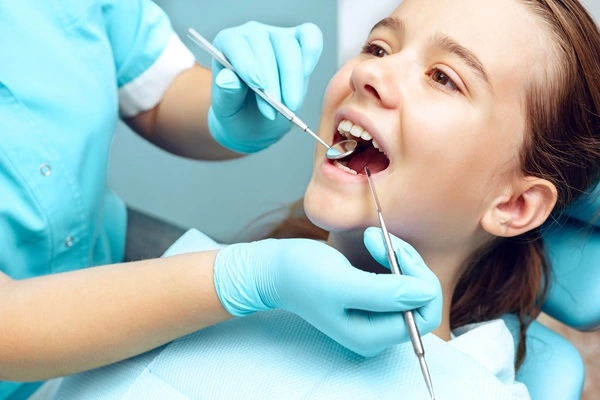
Best Foods for Healthy Children’s Teeth

Good oral health starts early in life, and nutrition plays a major role in keeping children’s teeth and gums strong and healthy. While regular brushing, flossing, and dental checkups are essential, the foods children eat every day can significantly impact their oral health. A balanced diet rich in essential nutrients helps strengthen tooth enamel, support healthy gums, and reduce the risk of cavities. Understanding the best foods for healthy children’s teeth can help parents make informed dietary choices that promote both oral and overall health. Why Nutrition Matters for Children’s Oral Health Children’s teeth are constantly developing, making proper nutrition especially important during childhood. Certain nutrients help build strong teeth and support healthy gums, while sugary and acidic foods can increase the risk of tooth decay. A healthy diet helps: Combining nutritious foods with good oral hygiene can help children maintain healthy smiles throughout their lives. 1. Dairy Products Dairy products are among the best foods for healthy teeth because they are rich in calcium and phosphorus, two minerals essential for strong enamel. Healthy options include: Benefits of dairy products: Cheese can also help stimulate saliva production, which naturally protects teeth from harmful acids. 2. Fresh Fruits Many fruits provide important vitamins and minerals that support oral health. Good choices include: Benefits of fruits: Parents should remember that fruits contain natural sugars, so regular brushing remains important. 3. Crunchy Vegetables Vegetables are excellent for both oral and overall health. Tooth-friendly vegetables include: Benefits include: Crunchy vegetables can also serve as healthy snack alternatives to sugary treats. 4. Leafy Green Vegetables Leafy greens contain important nutrients such as calcium, folic acid, and vitamins that support oral health. Examples include: These vegetables contribute to: Adding leafy greens to meals can help children develop healthy eating habits. 5. Eggs Eggs are rich in protein, phosphorus, and vitamin D, all of which support healthy teeth and bones. Benefits include: Eggs are a versatile and nutritious addition to a child’s diet. 6. Nuts and Seeds For older children who can safely consume them, nuts and seeds provide important minerals that support oral health. Examples include: Benefits include: Always consider age-appropriate safety recommendations when introducing nuts. 7. Fish Fish provides vitamin D and phosphorus, which are essential for maintaining healthy teeth. Healthy options include: Benefits include: Including fish in a balanced diet can support long-term oral health. 8. Water Water is one of the best beverages for children’s oral health. Benefits include: Encouraging children to drink water throughout the day can help protect their teeth naturally. 9. Whole Grains Whole grains provide nutrients that support overall health and healthy development. Examples include: Whole grains can be part of a balanced diet that supports healthy teeth and gums. Foods to Limit for Better Oral Health While some foods strengthen teeth, others can increase the risk of cavities and enamel damage. Parents should limit: Sugary Snacks Examples include: Sugar feeds harmful bacteria that produce acids capable of damaging enamel. Sugary Drinks Examples include: These beverages can contribute to tooth decay and enamel erosion. Sticky Foods Sticky foods can cling to teeth and increase cavity risk. Examples include: Limiting these foods can help protect children’s teeth. Healthy Snack Ideas for Children To support healthy teeth, consider snacks such as: These options provide nutrition while being kinder to teeth than sugary snacks. The Importance of Saliva Saliva plays a vital role in protecting teeth by: Many healthy foods encourage saliva production, providing additional protection against cavities. Supporting Oral Health Beyond Diet In addition to healthy eating habits, children should: Combining proper nutrition with good oral hygiene provides the best defense against dental problems. Your smile deserves expert care and personalized attention. With years of experience in advanced orthodontic treatments, Dr. Nizar Ishaq is dedicated to helping patients achieve healthier, more confident smiles through modern techniques and customized treatment plans. Whether you need routine dental care, smile correction, or specialized orthodontic solutions, booking a consultation directly with Dr. Nizar Ishaq ensures professional guidance and patient-focused care. Take the first step toward a healthier, brighter smile by scheduling your consultation today.

Blog

 How Dental Sealants Protect Teeth

Maintaining good oral health involves more than just brushing and flossing. Preventive dental treatments play an important role in protecting teeth from decay and reducing the risk of cavities. One of the most effective preventive treatments available today is dental sealants. Commonly recommended for children and teenagers, dental sealants can also benefit adults who are at higher risk of tooth decay. Understanding how dental sealants protect teeth can help patients make informed decisions about preventive dental care and maintain healthier smiles for years to come. What Are Dental Sealants? Dental sealants are thin, protective coatings applied to the chewing surfaces of the back teeth, particularly the molars and premolars. These teeth contain deep grooves and pits where food particles and bacteria can easily become trapped. Even with regular brushing, it can be difficult to clean these areas thoroughly. Dental sealants create a smooth protective barrier that helps prevent plaque and bacteria from accumulating in these hard-to-reach spaces. Why Are Molars More Vulnerable to Cavities? The molars and premolars are primarily responsible for chewing food. Their surfaces contain natural grooves that can trap: Because these areas are difficult to clean effectively, they are more susceptible to tooth decay and cavities. Dental sealants help protect these vulnerable surfaces by covering the grooves and reducing the risk of bacterial buildup. How Dental Sealants Work Dental sealants act as a protective shield over the enamel of the teeth. Once applied, the sealant: By creating a barrier between the tooth surface and cavity-causing bacteria, sealants significantly lower the risk of tooth decay. Benefits of Dental Sealants 1. Effective Cavity Prevention One of the primary benefits of dental sealants is their ability to reduce the risk of cavities. Sealants help protect areas that are most vulnerable to decay, particularly in children and teenagers whose permanent molars have recently erupted. 2. Long-Lasting Protection Dental sealants can provide protection for several years when properly maintained. During routine dental visits, dentists can check the condition of sealants and reapply them if necessary to ensure continued protection. 3. Quick and Painless Application Applying dental sealants is a simple, non-invasive procedure that usually takes only a few minutes per tooth. The process does not involve: This makes sealants a comfortable preventive treatment option for patients of all ages. 4. Cost-Effective Preventive Care Preventing cavities is often less expensive than treating them. By reducing the risk of decay, dental sealants may help patients avoid more extensive dental procedures such as: Preventive care can contribute to long-term oral health savings. 5. Supports Better Oral Health Sealants complement daily oral hygiene habits by providing an additional layer of protection. When combined with: Sealants help support overall oral health and cavity prevention. Who Can Benefit from Dental Sealants? Children Children are among the most common candidates for dental sealants. Dentists often recommend sealants soon after the permanent molars emerge, typically between the ages of 6 and 12. Early protection can help prevent cavities during the cavity-prone years of childhood. Teenagers Teenagers can also benefit from sealants, especially if they have deep grooves in their molars or are at higher risk of tooth decay. Adults Adults without fillings or decay on their molars may also be candidates for dental sealants. Individuals with a higher risk of cavities may benefit from the added protection sealants provide. The Dental Sealant Application Process Applying dental sealants is straightforward and usually completed in a single dental visit. The process generally involves: Cleaning the Tooth The dentist thoroughly cleans the tooth surface to remove plaque and debris. Preparing the Surface A special solution is applied to help the sealant bond securely to the tooth. Applying the Sealant The liquid sealant material is carefully painted onto the chewing surface. Hardening the Sealant A special curing light may be used to harden the sealant and create a durable protective layer. The entire procedure is quick, comfortable, and painless. How Long Do Dental Sealants Last? Dental sealants can last several years with proper care. Factors that influence longevity include: Dentists will monitor sealants during routine examinations and recommend repairs or replacement if needed. Caring for Teeth with Sealants Maintaining sealants is simple and involves continuing good oral hygiene practices. Recommendations include: Sealants work best when combined with comprehensive preventive dental care. Common Misconceptions About Dental Sealants Sealants Replace Brushing Sealants provide extra protection but do not replace daily brushing and flossing. Sealants Are Only for Children Although commonly used in children, adults may also benefit from sealants in certain situations. Sealants Are Painful The procedure is non-invasive and generally painless. Understanding these facts can help patients make informed decisions about preventive treatment. Why Preventive Dentistry Matters Preventive dentistry focuses on protecting teeth before problems develop. Preventive measures such as: can significantly reduce the risk of dental disease and support long-term oral health. Your smile deserves expert care and personalized attention. With years of experience in advanced orthodontic treatments, Dr. Nizar Ishaq is dedicated to helping patients achieve healthier, more confident smiles through modern techniques and customized treatment plans. Whether you need routine dental care, smile correction, or specialized orthodontic solutions, booking a consultation directly with Dr. Nizar Ishaq ensures professional guidance and patient-focused care. Take the first step toward a healthier, brighter smile by scheduling your consultation today.

Scroll to Top