
Author name: Content

The Importance of Regular Dental Check-Ups: Maintaining a Healthy Smile
Blog

The Importance of Regular Dental Check-Ups: Maintaining a Healthy Smile

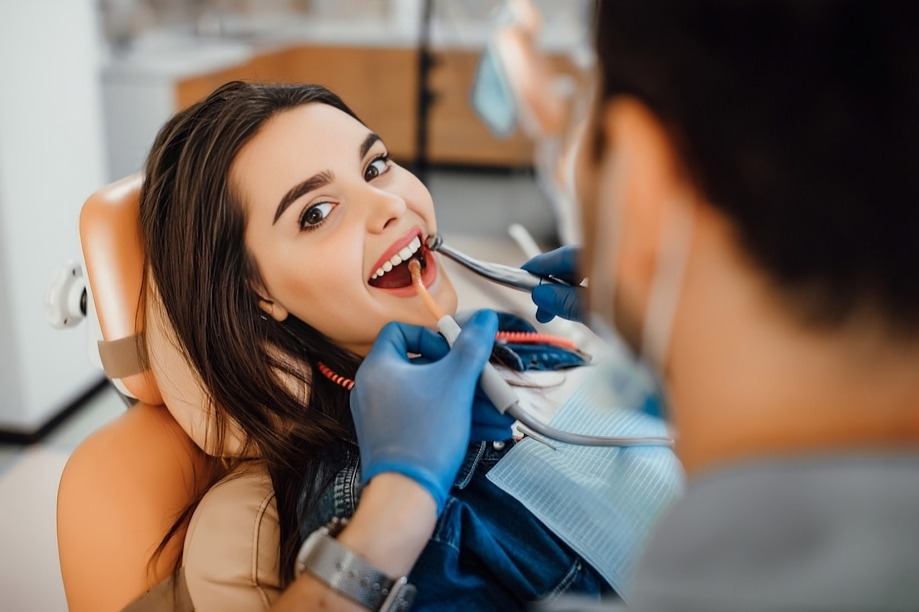
A beautiful, healthy smile is more than just a confidence booster—it is a reflection of overall health. One of the most crucial steps in maintaining optimal oral health is routine dental care. While daily brushing and flossing are essential, they are often not enough to prevent serious dental issues. This is where the importance of regular dental check-ups comes into play. These check-ups are not just about cleaning your teeth—they are a comprehensive evaluation that can prevent, detect, and treat problems before they become severe. Why Regular Dental Check-Ups Matter Dental health affects more than just your teeth. Studies have linked oral health to conditions such as heart disease, diabetes, and even respiratory infections. Regular visits to a dentist help maintain oral hygiene, prevent disease, and protect overall well-being. Here are some key reasons why you should prioritize these appointments: 1. Early Detection of Dental Problems Many dental issues, such as cavities, gum disease, and oral infections, start subtly and often go unnoticed until they become painful or complicated. During a routine check-up, a dentist can identify these issues early. Early detection means treatment can be simpler, less invasive, and more cost-effective. For example, a small cavity detected in time may require only a filling, whereas ignoring it could eventually lead to root canal treatment or tooth extraction. 2. Preventing Gum Disease Gum disease is one of the most common oral health issues. It starts as gingivitis, causing red, swollen, or bleeding gums. If left untreated, it can progress to periodontitis, leading to tooth loss and even affecting overall health. Regular dental check-ups include professional cleaning, which removes plaque and tartar buildup that cannot be eliminated through regular brushing. This proactive approach helps prevent gum disease and maintains healthy gums. 3. Maintaining Proper Oral Hygiene Even with the best home-care routine, some areas in your mouth are difficult to clean thoroughly. Dentists and dental hygienists have the tools and expertise to provide a deep clean that eliminates bacteria, plaque, and tartar. Regular cleanings also help maintain fresh breath and a bright, healthy smile. Your dentist can also offer personalized advice on brushing techniques, flossing, and the best oral care products for your needs. 4. Early Diagnosis of Serious Health Conditions The mouth is a window to overall health. During dental check-ups, dentists can spot early signs of conditions such as oral cancer, diabetes, vitamin deficiencies, and even cardiovascular disease. For instance, persistent sores, unusual growths, or bleeding gums could indicate more than just a dental problem. Detecting these early can be life-saving, emphasizing the broader health significance of regular dental visits. 5. Protection Against Tooth Loss Regular check-ups help in maintaining strong teeth and preventing tooth loss. With routine evaluations, dentists can detect and treat tooth decay, weakened enamel, and gum disease before they lead to permanent damage. Preventive care, combined with proper treatment, ensures that you retain your natural teeth for a lifetime. 6. Saving Money in the Long Run Many people avoid dental visits due to perceived costs. However, neglecting regular dental check-ups can lead to expensive procedures down the line. Addressing minor issues early prevents complex treatments like root canals, dental crowns, or implants. Investing in routine dental care is a smart financial decision that safeguards both your health and wallet. 7. Building a Relationship with Your Dentist Regular visits allow you to develop a professional relationship with your dentist. This relationship encourages open communication and personalized care. Your dentist becomes familiar with your oral health history, lifestyle habits, and unique needs, enabling better preventive strategies and tailored treatments. How Often Should You Visit the Dentist? Most dental professionals recommend scheduling a check-up every six months. However, this may vary depending on individual health needs, age, and risk factors. People with a history of gum disease, chronic conditions, or frequent cavities may require more frequent visits. Children, adults, and seniors all benefit from regular check-ups to maintain optimal oral health at every stage of life. Tips to Maximize Your Dental Visits To make the most of your appointments: Your smile deserves expert care and personalized attention. With years of experience in advanced orthodontic treatments, Dr. Nizar Ishaq is dedicated to helping patients achieve healthier, more confident smiles through modern techniques and customized treatment plans. Whether you need routine dental care, smile correction, or specialized orthodontic solutions, booking a consultation directly with Dr. Nizar Ishaq ensures professional guidance and patient-focused care. Take the first step toward a healthier, brighter smile by scheduling your consultation today.
The Importance of Balanced Habits for Dental Health
Blog

The Importance of Balanced Habits for Dental Health

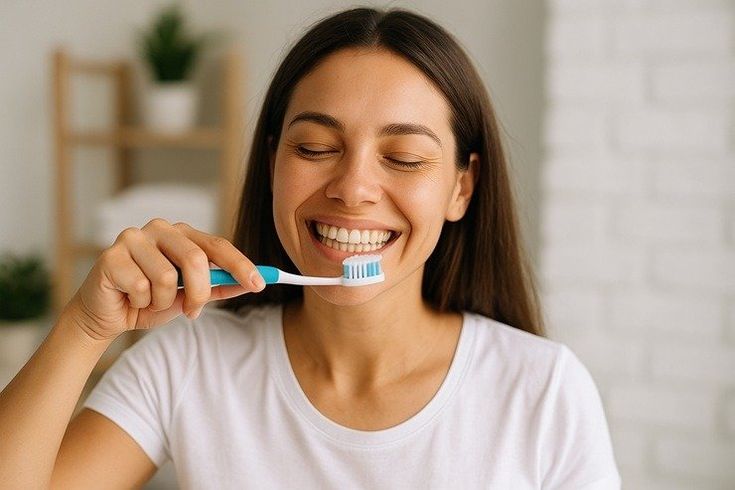
Maintaining strong teeth and healthy gums is not just about brushing twice a day or flossing occasionally. True oral health stems from a combination of habits that balance hygiene, nutrition, lifestyle, and regular professional care. Understanding the importance of balanced habits for dental health is essential for preventing cavities, gum disease, and other oral complications, while also promoting a confident and radiant smile. What Are Balanced Habits for Dental Health? Balanced habits for dental health involve integrating a variety of practices that collectively protect and enhance the mouth, teeth, and gums. These habits go beyond simple daily brushing and include flossing, healthy eating, regular dental checkups, stress management, and avoiding harmful behaviors like smoking. When all these elements work together, they create a strong foundation for lifelong oral health. Brushing and Flossing: The Cornerstones of Oral Care The most fundamental habits for maintaining oral health are brushing and flossing. Proper brushing removes plaque, bacteria, and food particles from the surfaces of teeth, while flossing cleans between teeth where a toothbrush cannot reach. Key tips for effective brushing and flossing include: These daily routines are the foundation of any balanced dental health plan. Skipping either step can lead to plaque buildup, cavities, and gum disease over time. Nutrition and Hydration Diet plays a crucial role in oral health. Sugary foods, acidic beverages, and excessive snacking can erode enamel and feed harmful bacteria that cause decay. Conversely, a balanced diet supports strong teeth and healthy gums. To maintain a dental-friendly diet: Balanced nutrition and proper hydration are essential components of the importance of balanced habits for dental health, ensuring that teeth and gums remain strong and resilient. Regular Dental Checkups Even with excellent home care, professional dental care is crucial. Dentists can detect early signs of decay, gum disease, or other oral issues that may not be visible or painful yet. Scheduling dental checkups every six months allows for early intervention, professional cleaning, and personalized advice on oral care practices. Regular dental visits complement daily routines and ensure that small problems do not develop into serious complications, highlighting why balanced habits are so vital for dental health. Lifestyle Habits That Support Oral Health Several lifestyle choices impact oral health and should be considered part of a balanced approach: Incorporating healthy lifestyle habits ensures that your teeth and gums are protected from factors beyond direct hygiene practices. Protective Measures and Oral Safety Balanced dental habits also involve preventive care measures, such as: Preventive steps like these reinforce the overall health of your teeth and gums, supporting the concept of maintaining balanced habits for dental health. Psychological Benefits of a Healthy Smile Maintaining a healthy mouth through balanced habits also positively impacts self-confidence and social interactions. People with healthy teeth are more likely to smile freely, speak clearly, and feel confident in professional and personal settings. Beyond aesthetics, good oral health contributes to mental well-being by reducing discomfort, pain, and self-consciousness related to dental issues. Long-Term Benefits The importance of balanced habits for dental health extends far beyond immediate oral care. By consistently integrating proper hygiene, nutrition, regular checkups, lifestyle adjustments, and preventive measures, individuals can enjoy: Investing in balanced habits now pays dividends for lifelong oral health and well-being. Your smile deserves expert care and personalized attention. With years of experience in advanced orthodontic treatments, Dr. Nizar Ishaq is dedicated to helping patients achieve healthier, more confident smiles through modern techniques and customized treatment plans. Whether you need routine dental care, smile correction, or specialized orthodontic solutions, booking a consultation directly with Dr. Nizar Ishaq ensures professional guidance and patient-focused care. Take the first step toward a healthier, brighter smile by scheduling your consultation today.
Tips for Maintaining Healthy Teeth and Gums
Blog

Tips for Maintaining Healthy Teeth and Gums

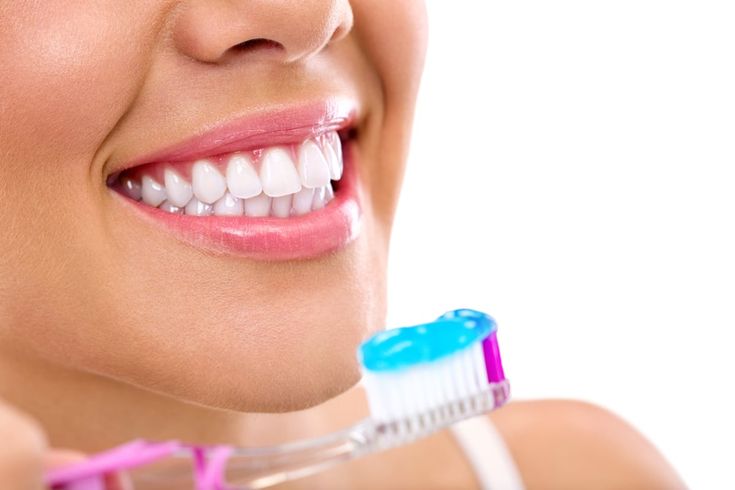
Maintaining healthy teeth and gums is essential not only for a beautiful smile but also for overall health. Poor oral hygiene can lead to cavities, gum disease, bad breath, and even more serious health issues like heart disease and diabetes. Understanding effective strategies and incorporating them into your daily routine is key. This blog explores practical tips for maintaining healthy teeth and gums that anyone can follow for long-lasting oral health. Brush Your Teeth Properly and Regularly Brushing your teeth is the foundation of good oral hygiene. Most people brush, but not everyone does it correctly. Dentists recommend brushing twice a day—in the morning and before bedtime—for at least two minutes each time. Some tips to ensure effective brushing include: Consistent and proper brushing is one of the most important tips for maintaining healthy teeth and gums. Floss Daily to Remove Hidden Plaque Even the most thorough brushing cannot reach between your teeth and under the gumline, where plaque and food particles can accumulate. Daily flossing helps prevent cavities, gum inflammation, and bad breath. To floss correctly: Incorporating flossing into your daily routine can dramatically reduce the risk of gum disease. Use Mouthwash for Extra Protection Mouthwash is a useful addition to brushing and flossing. It helps: Choose a mouthwash that suits your needs, such as one for cavity prevention, gum health, or fresh breath. Using mouthwash daily reinforces oral hygiene and complements brushing and flossing. Eat a Balanced Diet Your diet plays a major role in oral health. Sugary and acidic foods can erode enamel and lead to cavities, while nutrient-rich foods strengthen teeth and gums. Some dietary tips for maintaining healthy teeth and gums: Healthy eating habits are essential for long-term oral health and are one of the most effective tips for maintaining healthy teeth and gums. Avoid Tobacco and Limit Alcohol Smoking and chewing tobacco increase the risk of gum disease, tooth discoloration, and oral cancers. Alcohol can dry out the mouth and reduce saliva, which protects teeth and gums from bacteria. Avoiding these habits helps preserve oral health, whiten teeth, and maintain fresh breath. Visit Your Dentist Regularly Regular dental checkups are crucial for maintaining healthy teeth and gums. Dentists can: Visiting your dentist every six months helps prevent serious problems and keeps your oral health in check. Practice Good Oral Habits In addition to brushing, flossing, and visiting the dentist, some daily habits can protect your teeth and gums: Incorporating these habits helps maintain a healthy and resilient smile. Address Dental Issues Promptly Ignoring dental problems can worsen them over time. If you notice symptoms like tooth pain, bleeding gums, sensitivity, or bad breath, seek professional care immediately. Early intervention prevents complications and preserves the health of your teeth and gums. Your smile deserves expert care and personalized attention. With years of experience in advanced orthodontic treatments, Dr. Nizar Ishaq is dedicated to helping patients achieve healthier, more confident smiles through modern techniques and customized treatment plans. Whether you need routine dental care, smile correction, or specialized orthodontic solutions, booking a consultation directly with Dr. Nizar Ishaq ensures professional guidance and patient-focused care. Take the first step toward a healthier, brighter smile by scheduling your consultation today.

How Teeth Alignment Affects Your Smile
Blog

How Teeth Alignment Affects Your Smile

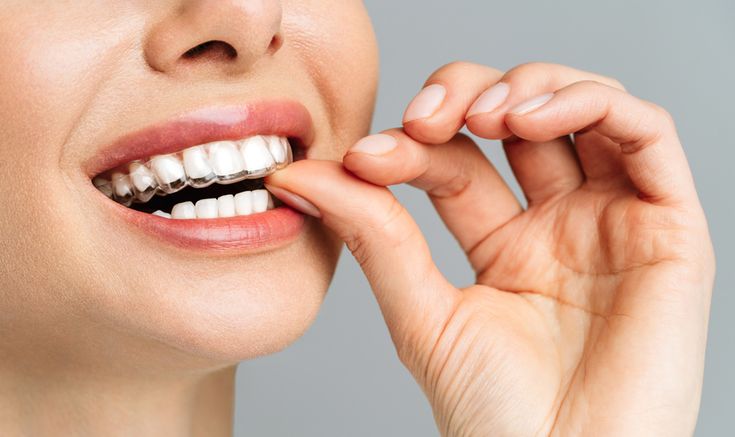
A smile is one of the first things people notice, and it plays a powerful role in how we present ourselves to the world. However, the health and appearance of your smile are heavily influenced by teeth alignment. Understanding how teeth alignment affects your smile is essential not only for cosmetic reasons but also for overall oral health and confidence. What Is Teeth Alignment? Teeth alignment refers to the way your teeth are positioned within your mouth. Ideally, teeth should fit together in a straight, well-spaced arrangement, with the upper teeth slightly overlapping the lower teeth. When teeth are misaligned, it can result in crowding, spacing, overbites, underbites, or crossbites. Misalignment may be caused by genetics, thumb-sucking during childhood, premature loss of baby teeth, or habits such as teeth grinding. Proper alignment is important for both function and aesthetics. While crooked or uneven teeth can affect the appearance of your smile, they also impact biting, chewing, and even speaking. Cosmetic Implications of Misaligned Teeth The most obvious way teeth alignment affects your smile is through aesthetics. Straight, well-aligned teeth tend to enhance facial symmetry, improve appearance, and boost confidence. On the other hand, misaligned teeth can make a smile look uneven or crowded, affecting self-esteem. People with crooked teeth may feel reluctant to smile in social or professional situations, impacting their interpersonal interactions and overall confidence. Modern dentistry offers several solutions to correct misalignment, including braces, clear aligners, and cosmetic procedures like veneers. Addressing teeth alignment issues not only improves your smile’s appearance but also encourages better oral hygiene and overall oral health. Impact on Oral Health Teeth alignment affects more than just how your smile looks. Misaligned teeth can lead to several dental issues: By correcting teeth alignment, these potential oral health issues can be minimized, leading to a healthier and more comfortable mouth. Psychological and Social Effects A smile significantly influences first impressions. Studies have shown that people with straight teeth are often perceived as more attractive, confident, and approachable. Conversely, misaligned teeth can contribute to self-consciousness, leading individuals to hide their smiles. Understanding how teeth alignment affects your smile is essential for mental well-being. Correcting alignment not only improves aesthetics but also boosts self-esteem, allowing individuals to smile freely and engage socially without hesitation. Role of Orthodontic Treatments Orthodontic treatments are specifically designed to address teeth alignment issues. Braces, clear aligners, and retainers gradually move teeth into their ideal positions. These treatments not only enhance the visual appeal of a smile but also improve oral function. Consulting with a dentist or orthodontist helps determine the best approach for each individual based on their unique alignment concerns. Preventive Measures and Maintenance While orthodontic treatments correct existing misalignment, maintaining proper alignment also involves preventive measures. Early dental evaluations, especially in children, can detect potential alignment problems before they worsen. Parents can guide habits like avoiding thumb-sucking and using pacifiers correctly, which contribute to proper dental development. For adults, routine dental checkups ensure that teeth remain aligned and healthy. Regular brushing, flossing, and monitoring for changes in bite or jaw discomfort help maintain the benefits of orthodontic treatments. Long-Term Benefits Understanding how teeth alignment affects your smile highlights the importance of addressing misalignment early. Benefits of properly aligned teeth include: Investing in alignment correction not only improves the look of your smile but also contributes to overall health and quality of life. Your smile deserves expert care and personalized attention. With years of experience in advanced orthodontic treatments, Dr. Nizar Ishaq is dedicated to helping patients achieve healthier, more confident smiles through modern techniques and customized treatment plans. Whether you need routine dental care, smile correction, or specialized orthodontic solutions, booking a consultation directly with Dr. Nizar Ishaq ensures professional guidance and patient-focused care. Take the first step toward a healthier, brighter smile by scheduling your consultation today.

Scroll to Top