

Author name: Content

The Benefits of Maintaining Healthy Teeth
Uncategorized

The Benefits of Maintaining Healthy Teeth

Healthy teeth are more than just a bright smile—they are a cornerstone of overall health and well-being. Oral health affects not only how we eat, speak, and interact socially but also plays a crucial role in preventing a wide range of health problems. By maintaining healthy teeth, individuals can enjoy long-term benefits that extend beyond aesthetics. Understanding the Importance of Healthy Teeth Teeth are essential for proper chewing and digestion. They help break down food into smaller particles, allowing the body to absorb nutrients efficiently. Beyond their functional role, teeth contribute significantly to speech clarity and facial structure. When dental health is neglected, it can lead to a cascade of problems, including cavities, gum disease, tooth loss, and even systemic health complications such as heart disease and diabetes. Maintaining healthy teeth involves more than brushing once in a while. It requires a combination of daily oral hygiene, a balanced diet, and regular professional care. Early intervention and preventive practices are key to avoiding more serious and costly dental issues. Benefits of Maintaining Healthy Teeth 1. Prevents Tooth Decay and Gum Disease One of the most immediate benefits of healthy teeth is the prevention of common dental problems such as cavities and periodontal (gum) disease. Tooth decay occurs when bacteria in the mouth convert sugars into acids, which erode enamel and dentin. Regular brushing, flossing, and dental check-ups help remove plaque and bacteria, significantly reducing the risk of decay. Gum disease begins with inflammation of the gums (gingivitis) and can progress to periodontitis if untreated. Maintaining healthy teeth and gums through proper care prevents these conditions, preserving your natural teeth and avoiding pain and discomfort. 2. Enhances Overall Health Oral health and systemic health are closely connected. Research has shown that bacteria from oral infections can enter the bloodstream and contribute to cardiovascular problems, diabetes complications, respiratory infections, and adverse pregnancy outcomes. By keeping teeth healthy, you reduce the likelihood of these systemic health risks. This is why dentists often emphasize preventive care and early detection of dental issues. 3. Boosts Appearance and Self-Confidence A healthy smile can dramatically affect self-esteem and social confidence. Teeth that are clean, well-aligned, and free from stains contribute to an attractive appearance. Maintaining oral health also reduces bad breath, discoloration, and visible signs of decay—all factors that can impact personal and professional interactions. People with healthy teeth are more likely to smile freely, enhancing communication and forming positive impressions. 4. Supports Proper Digestion Chewing is the first step in the digestive process, and healthy teeth make it possible to break down food efficiently. Poor dental health can lead to difficulty chewing, which affects nutrient absorption and overall digestive health. Healthy teeth help ensure that the body gets the necessary nutrients for energy, growth, and cellular repair. 5. Saves Time and Money Preventive dental care is far more cost-effective than treating advanced dental problems. A small cavity treated with a filling is much simpler and less expensive than a tooth that requires root canal therapy or extraction. Healthy teeth reduce the likelihood of complex procedures, saving both time and financial resources. Investing in regular dental check-ups and consistent oral hygiene routines is a long-term strategy that prevents future complications. 6. Reduces the Risk of Tooth Loss Tooth loss is a common outcome of untreated dental issues such as decay and gum disease. Missing teeth can affect eating, speaking, and the overall appearance of the face. Maintaining healthy teeth minimizes the risk of losing natural teeth, ensuring proper alignment and oral function throughout life. How to Maintain Healthy Teeth Maintaining healthy teeth requires a combination of daily habits and professional care: Your smile deserves expert care and personalized attention. With years of experience in advanced orthodontic treatments, Dr. Nizar Ishaq is dedicated to helping patients achieve healthier, more confident smiles through modern techniques and customized treatment plans. Whether you need routine dental care, smile correction, or specialized orthodontic solutions, booking a consultation directly with Dr. Nizar Ishaq ensures professional guidance and patient-focused care. Take the first step toward a healthier, brighter smile by scheduling your consultation today.
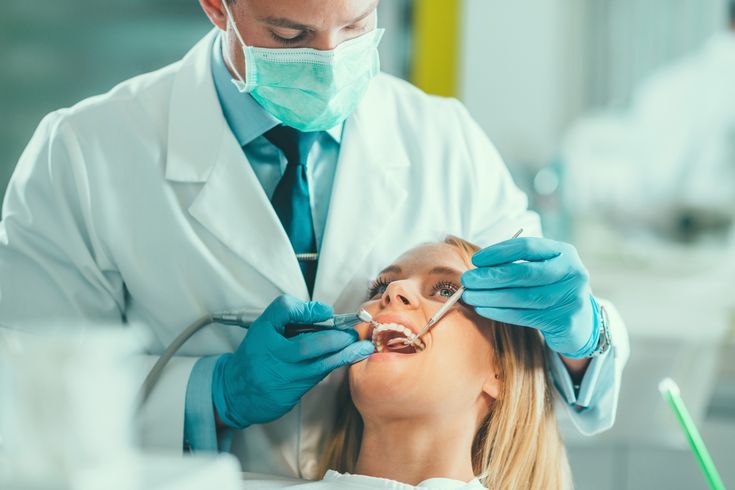

The Value of Early Detection in Dental Care
Uncategorized

The Value of Early Detection in Dental Care

Maintaining optimal oral health goes far beyond brushing and flossing regularly. Early detection of dental issues plays a crucial role in preserving not only your smile but your overall health. Recognizing potential problems before they escalate allows for timely intervention, less invasive treatments, and better long-term outcomes. Understanding Early Detection Early detection in dental care refers to identifying dental problems in their initial stages, often before noticeable symptoms appear. Common issues such as cavities, gum disease, misalignment, and oral cancers can develop silently. Regular dental check-ups and screenings allow professionals to spot these concerns early, ensuring effective and conservative treatment. Benefits of Early Detection Methods of Early Detection Tips for Patients Your smile deserves expert care and personalized attention. With years of experience in advanced orthodontic treatments,Dr. Nizar Ishaq is dedicated to helping patients achieve healthier, more confident smiles through modern techniques and customized treatment plans. Whether you need routine dental care, smile correction, or specialized orthodontic solutions, booking a consultation directly with Dr. Nizar Ishaq ensures professional guidance and patient-focused care. Take the first step toward a healthier, brighter smile by scheduling your consultation today.

Why Dental Awareness Matters in Families: Building Healthy Smiles for Life
Uncategorized

Why Dental Awareness Matters in Families: Building Healthy Smiles for Life

Oral health is a cornerstone of overall well-being, and cultivating dental awareness within families is essential for establishing lifelong habits. Children learn by observing adults, and when parents prioritize oral hygiene, it creates a foundation for generations of healthy smiles. Understanding why dental awareness matters in families emphasizes prevention, education, and proactive care. Early Habits Shape Lifelong Health Children’s oral health habits are shaped in the first years of life. Introducing proper brushing techniques, flossing, and regular dental visits early on helps children develop a positive relationship with oral care. Families that practice dental awareness can prevent common issues such as cavities, gum disease, and misaligned teeth. Parents play a critical role in modeling behaviors. When children see adults brushing twice daily, flossing, and visiting the dentist regularly, they are more likely to adopt these habits consistently. Early education instills responsibility, awareness, and understanding of the importance of oral hygiene. Preventing Common Dental Problems Regular dental awareness helps families identify and prevent small problems before they escalate. Common issues such as: By maintaining awareness, families can implement preventive measures, including routine brushing, flossing, limiting sugary snacks, and scheduling professional dental check-ups. Early intervention reduces the need for complex procedures and ensures healthier outcomes. Encouraging Healthy Lifestyle Choices Dental awareness extends beyond brushing and flossing. Families who understand the connection between oral health and overall wellness are more likely to make choices that benefit both teeth and body: These lifestyle habits, when reinforced within the family unit, contribute to long-term wellness and reduce the risk of chronic conditions linked to poor oral health. Promoting Regular Dental Visits Dental awareness encourages consistent visits to the dentist, which are vital for monitoring growth, catching early problems, and reinforcing proper care habits. Pediatric check-ups allow dentists to: Regular visits make dental care routine rather than reactive, reducing fear or anxiety associated with dental treatment. Strengthening Family Education and Communication Dental awareness is also about education and communication. Families who discuss oral health openly create an environment where children feel comfortable asking questions and understanding the impact of their habits. This dialogue encourages responsibility, critical thinking, and proactive behavior regarding dental care. Building Confidence Through Healthy Smiles Healthy teeth and gums contribute to self-esteem, social interactions, and overall confidence. Children who maintain good oral hygiene feel proud of their smiles, which positively affects their social development and psychological well-being. Families that prioritize dental awareness reinforce these positive outcomes, leading to happier, more confident children and adults. Long-Term Benefits of Family Dental Awareness Investing in family dental awareness has long-term advantages: By fostering awareness, families create a culture where oral health is valued, routine, and integrated into daily life. Your smile deserves expert care and personalized attention. With years of experience in advanced orthodontic treatments, Dr. Nizar Ishaq is dedicated to helping patients achieve healthier, more confident smiles through modern techniques and customized treatment plans. Whether you need routine dental care, smile correction, or specialized orthodontic solutions, booking a consultation directly with Dr. Nizar Ishaq ensures professional guidance and patient-focused care. Take the first step toward a healthier, brighter smile by scheduling your consultation today.
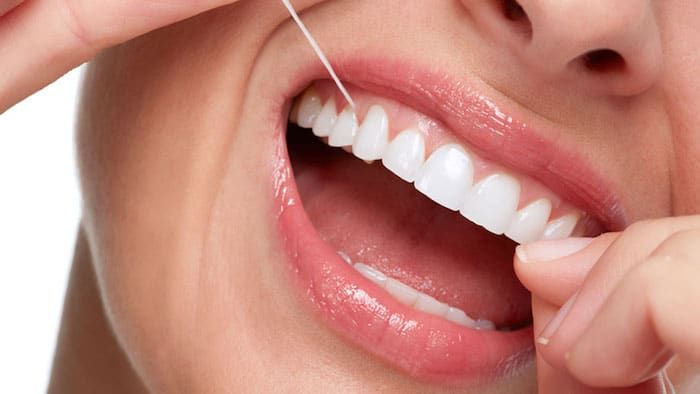
The Role of Dental Professionals in Health Care: Beyond Teeth and Gums
Uncategorized

The Role of Dental Professionals in Health Care: Beyond Teeth and Gums

Dental professionals play a critical role in overall health care, extending far beyond routine cleanings and cavity fillings. Dentists, dental hygienists, and specialists not only maintain oral health but also contribute to early detection of systemic diseases, prevention strategies, and patient education. Understanding the role of dental professionals in health care highlights why regular dental visits are essential for maintaining total body wellness. Comprehensive Oral Health Care At the foundation, dental professionals focus on preventing and treating oral health problems. They diagnose cavities, gum disease, oral infections, and other conditions, often catching issues early before they escalate. Regular examinations, cleanings, and preventive care reduce the risk of tooth loss, decay, and oral infections, supporting long-term health. Dental professionals also provide guidance on proper oral hygiene practices, such as brushing techniques, flossing routines, and the use of fluoride or other protective products. This education empowers patients to maintain healthy teeth and gums between appointments. Early Detection of Systemic Health Issues Oral health is closely linked to systemic health. Many conditions, including diabetes, heart disease, and certain cancers, can manifest early signs in the mouth. For example: By identifying early warning signs, dental professionals contribute to timely referrals and interventions, helping patients prevent more serious health complications. Promoting Preventive Care and Education Preventive care is a cornerstone of dental health. Dental professionals educate patients on lifestyle factors that influence oral health, including diet, smoking, alcohol use, and stress management. They also guide patients on preventive procedures such as: Education extends to post-procedural care, helping patients recover effectively and avoid complications after dental surgery or cosmetic procedures. Supporting Mental and Social Wellbeing Dental health impacts self-esteem, confidence, and social interactions. A healthy smile contributes to psychological well-being, while untreated dental issues can lead to anxiety, embarrassment, or social withdrawal. Dental professionals address aesthetic concerns, alignment issues, and functional problems, improving both health and quality of life. Collaboration with Other Health Care Providers Dental professionals increasingly work in coordination with physicians, nutritionists, and other health specialists. This collaborative approach ensures comprehensive care, particularly for patients with chronic conditions such as diabetes, cardiovascular disease, or autoimmune disorders. Integrated care allows for better monitoring of overall health and the management of conditions that affect both the mouth and the body. Advancements in Technology and Patient Care Modern dental practices leverage technology to enhance diagnosis, treatment, and patient education. Digital imaging, CAD/CAM restorations, laser therapy, and minimally invasive techniques allow for precise, efficient, and comfortable care. Dental professionals use these tools not only to treat existing conditions but also to predict and prevent future problems. Encouraging Lifelong Oral Health Habits One of the most important roles of dental professionals is instilling lifelong oral health habits. By fostering routine dental visits, consistent home care, and awareness of oral-systemic links, dental professionals empower patients to take control of their health. Consistent preventive care reduces the likelihood of expensive and complex procedures in the future. Your smile deserves expert care and personalized attention. With years of experience in advanced orthodontic treatments, Dr. Nizar Ishaq is dedicated to helping patients achieve healthier, more confident smiles through modern techniques and customized treatment plans. Whether you need routine dental care, smile correction, or specialized orthodontic solutions, booking a consultation directly with Dr. Nizar Ishaq ensures professional guidance and patient-focused care. Take the first step toward a healthier, brighter smile by scheduling your consultation today.

How Small Dental Problems Become Bigger Issues: Prevention and Care
Uncategorized

How Small Dental Problems Become Bigger Issues: Prevention and Care

Oral health is often overlooked until discomfort or pain forces attention. What may start as a minor dental issue—such as a small cavity, slight gum irritation, or sensitivity—can quickly escalate into more serious problems if left untreated. Understanding how small dental problems become bigger issues emphasizes the importance of early detection, proper oral hygiene, and regular dental visits. Common Small Dental Problems Even seemingly minor issues can have long-term consequences. Some of the most common small dental problems include: How Small Problems Escalate Small dental issues tend to worsen gradually but steadily: The Importance of Early Detection Early detection is key to preventing minor dental issues from becoming major problems: Preventive Measures for Strong Oral Health Preventing small problems from turning into larger ones requires consistent care: The Long-Term Benefits of Early Intervention Addressing dental issues early prevents pain, costly procedures, and potential complications: Your smile deserves expert care and personalized attention. With years of experience in advanced orthodontic treatments ,Dr. Nizar Ishaq is dedicated to helping patients achieve healthier, more confident smiles through modern techniques and customized treatment plans. Whether you need routine dental care, smile correction, or specialized orthodontic solutions, booking a consultation directly with Dr. Nizar Ishaq ensures professional guidance and patient-focused care. Take the first step toward a healthier, brighter smile by scheduling your consultation today.
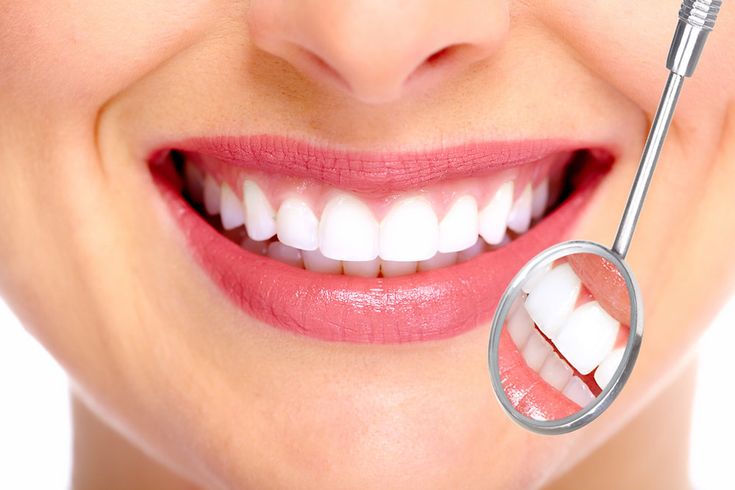
The Importance of Consistency in Oral Care: Building Healthy Habits for Life
Uncategorized

The Importance of Consistency in Oral Care: Building Healthy Habits for Life

Oral health is a cornerstone of overall well-being, yet many people underestimate the power of consistency when it comes to oral care. Brushing once in a while or skipping flossing occasionally may seem harmless, but small lapses in routine can accumulate over time, leading to cavities, gum disease, and other dental problems. Understanding the importance of consistency in oral care helps patients develop habits that protect their teeth and gums for a lifetime. Why Consistency Matters The mouth is home to millions of bacteria. While some are beneficial, harmful bacteria can accumulate, especially when oral hygiene routines are inconsistent. Regular brushing, flossing, and dental check-ups keep harmful bacteria in check, preventing plaque buildup, cavities, and gum inflammation. Consistency ensures that oral care practices are effective. Irregular care allows bacteria to multiply, increasing the risk of infections and tooth decay. Over time, even minor neglect can result in more complex and costly dental treatments. Key Benefits of Consistent Oral Care 1. Prevents Cavities and Tooth Decay Brushing twice daily with fluoride toothpaste removes food particles and plaque that harbor cavity-causing bacteria. Flossing once a day reaches the areas between teeth where toothbrushes can’t, reducing the risk of decay in these vulnerable spaces. 2. Reduces the Risk of Gum Disease Gingivitis, the early stage of gum disease, is reversible with consistent oral hygiene. Left untreated, it can progress to periodontitis, which damages the gums and supporting bone. Daily care keeps gums healthy and reduces inflammation, bleeding, and discomfort. 3. Maintains Fresh Breath Bad breath often results from bacterial buildup. Consistent brushing, flossing, and tongue cleaning help eliminate odor-causing bacteria, keeping breath fresh throughout the day. 4. Protects Overall Health Research shows a strong link between oral health and systemic conditions such as heart disease, diabetes, and respiratory infections. Consistent oral care minimizes bacterial spread from the mouth to other parts of the body, promoting overall wellness. Developing a Consistent Oral Care Routine Consistency is easier to achieve with structured habits. Here’s how to build an effective daily routine: Overcoming Barriers to Consistency Many people struggle with maintaining regular oral care due to busy schedules, forgetfulness, or lack of motivation. Practical strategies include: Long-Term Benefits of Consistency Consistent oral care has cumulative benefits. Healthy teeth and gums reduce the need for fillings, root canals, and extractions. Patients who maintain regular routines enjoy more confidence, better aesthetics, and reduced healthcare costs. Consistency also instills discipline, encouraging other healthy lifestyle habits such as proper nutrition and regular exercise, which further support oral and overall health. Your smile deserves expert care and personalized attention. With years of experience in advanced orthodontic treatments, Dr. Nizar Ishaq is dedicated to helping patients achieve healthier, more confident smiles through modern techniques and customized treatment plans. Whether you need routine dental care, smile correction, or specialized orthodontic solutions, booking a consultation directly with Dr. Nizar Ishaq ensures professional guidance and patient-focused care. Take the first step toward a healthier, brighter smile by scheduling your consultation today.

Uncategorized

Common Dental Problems and Prevention Tips

Dental health is a vital part of overall well-being, yet many people experience preventable oral issues due to neglect or lack of awareness. Understanding common dental problems and prevention tips can help individuals protect their teeth and gums, maintain a healthy smile, and avoid painful or costly treatments. By recognizing potential dental issues and adopting proactive care habits, you can significantly improve your oral health and quality of life. Common Dental Problems Dental problems can range from minor irritations to serious conditions that require professional treatment. Here are some of the most common issues people face: 1. Tooth Decay (Cavities) Tooth decay is one of the most prevalent dental problems worldwide. It occurs when acids produced by bacteria in plaque erode the enamel, leading to cavities. If left untreated, decay can reach the inner layers of the tooth, causing pain, infection, and even tooth loss. Symptoms: Sensitivity to hot or cold foods, visible holes or pits in teeth, toothache. 2. Gum Disease (Gingivitis and Periodontitis) Gum disease begins with gingivitis, an inflammation of the gums caused by plaque buildup. If untreated, it can progress to periodontitis, a severe condition that damages the gums and bone supporting the teeth, potentially leading to tooth loss. Symptoms: Red, swollen, or bleeding gums, bad breath, receding gums, loose teeth. 3. Tooth Sensitivity Tooth sensitivity occurs when the enamel wears down or the gums recede, exposing the dentin. This leads to sharp pain when consuming hot, cold, sweet, or acidic foods. Sensitivity can result from aggressive brushing, enamel erosion, cavities, or gum disease. Symptoms: Pain or discomfort when eating or drinking certain foods or beverages. 4. Bad Breath (Halitosis) Chronic bad breath is often caused by poor oral hygiene, gum disease, or bacterial buildup on the tongue. It can also result from certain foods, tobacco use, or underlying health conditions. Symptoms: Persistent foul odor from the mouth, even after brushing or using mouthwash. 5. Tooth Erosion Tooth erosion occurs when acids wear away the enamel. Common causes include acidic foods and beverages, acid reflux, or excessive consumption of soft drinks. Over time, erosion weakens teeth and increases sensitivity. Symptoms: Smooth or shiny enamel, increased tooth sensitivity, yellowing of teeth. 6. Cracked or Chipped Teeth Teeth can crack or chip due to injury, biting hard objects, or teeth grinding (bruxism). Even minor damage can lead to pain, sensitivity, or infection if not treated. Symptoms: Pain when biting, visible cracks or chips, rough edges on teeth. 7. Oral Infections and Abscesses Infections can occur in the teeth, gums, or surrounding tissues due to untreated decay, injury, or gum disease. Abscesses are painful collections of pus that require immediate dental attention. Symptoms: Severe toothache, swelling, fever, pus, or bad taste in the mouth. Prevention Tips for Common Dental Problems Preventing dental issues requires consistent care, good habits, and regular dental visits. Here are effective tips to maintain oral health: 1. Practice Proper Oral Hygiene Brushing at least twice a day with fluoride toothpaste and flossing daily removes plaque and prevents cavities and gum disease. Use a soft-bristled toothbrush and gentle circular motions to avoid damaging enamel and gums. 2. Clean Your Tongue Bacteria on the tongue contribute to bad breath and plaque buildup. Use a tongue scraper or your toothbrush to clean your tongue daily. 3. Eat a Balanced Diet Limit sugary and acidic foods, which promote tooth decay and enamel erosion. Include calcium-rich foods, fresh vegetables, and fruits to strengthen teeth and support healthy gums. 4. Stay Hydrated Drinking plenty of water helps wash away food particles and bacteria while maintaining saliva flow, which naturally protects teeth from decay. 5. Avoid Harmful Habits Tobacco use, excessive alcohol, and chewing hard objects can damage teeth and gums. Reducing these habits helps prevent oral health issues. 6. Use Mouthwash Antimicrobial or fluoride mouthwashes reduce bacteria, strengthen enamel, and freshen breath. Incorporating mouthwash into your routine complements brushing and flossing. 7. Protect Your Teeth If you play contact sports or grind your teeth at night, wear a mouthguard to prevent injuries and enamel wear. 8. Schedule Regular Dental Check-Ups Visiting the dentist every six months allows for early detection of cavities, gum disease, and other oral issues. Professional cleanings remove tartar and plaque that cannot be eliminated by brushing alone. 9. Address Problems Early Don’t ignore warning signs like tooth pain, bleeding gums, or sensitivity. Prompt treatment prevents minor issues from becoming severe dental emergencies. Your smile deserves expert care and personalized attention. With years of experience in advanced orthodontic treatments,Dr. Nizar Ishaq is dedicated to helping patients achieve healthier, more confident smiles through modern techniques and customized treatment plans. Whether you need routine dental care, smile correction, or specialized orthodontic solutions, booking a consultation directly with Dr. Nizar Ishaq ensures professional guidance and patient-focused care. Take the first step toward a healthier, brighter smile by scheduling your consultation today.

The Power of a Healthy Smile in Daily Life
Uncategorized

The Power of a Healthy Smile in Daily Life

A smile is often the first thing people notice, and its impact goes far beyond aesthetics. A healthy smile not only enhances your appearance but also boosts confidence, influences social interactions, and supports overall well-being. Understanding the power of a healthy smile in daily life can motivate individuals to prioritize oral health and recognize its significance in personal and professional settings. Why a Healthy Smile Matters A healthy smile reflects more than just clean teeth—it signals good oral hygiene, proper nutrition, and overall wellness. People with well-maintained teeth and gums are often perceived as more approachable, confident, and trustworthy. On the other hand, dental problems such as cavities, gum disease, or discoloration can affect self-esteem, making individuals less willing to engage socially or professionally. Maintaining a healthy smile requires consistent care, including daily brushing, flossing, regular dental visits, and a balanced diet. Beyond the physical benefits, a healthy smile has profound psychological and social effects that impact daily life in numerous ways. Boosting Confidence and Self-Esteem Confidence is one of the most noticeable benefits of a healthy smile. When you feel good about your teeth and overall oral appearance, you’re more likely to smile freely, engage in conversations, and express yourself openly. This self-assurance can influence relationships, job interviews, public speaking, and everyday social interactions. Research shows that people who smile confidently are often perceived as more friendly, approachable, and competent. By taking care of your teeth and gums, you can project a positive self-image that opens doors both personally and professionally. Enhancing Social Interactions Smiling plays a crucial role in social communication. It is a universal gesture that conveys warmth, friendliness, and openness. A healthy smile allows you to smile without hesitation, making it easier to connect with others and leave a positive impression. Neglecting oral health can lead to bad breath, discolored teeth, or missing teeth—all of which may hinder social interactions. A healthy smile helps you engage confidently in conversations, express emotions naturally, and create lasting connections with others. Supporting Professional Success A healthy smile can influence your professional life as well. Studies suggest that individuals with clean, well-maintained teeth are often perceived as more capable, reliable, and professional. In workplaces where first impressions matter, a confident smile can enhance your credibility, improve networking opportunities, and contribute to career advancement. Moreover, smiling can impact your own mindset. The act of smiling triggers positive emotions, reducing stress and improving mood. This can lead to increased productivity, better teamwork, and a more positive work environment. Preventing Oral Health Problems The power of a healthy smile extends beyond appearance and social interactions—it also reflects oral health. Consistently practicing good oral hygiene helps prevent cavities, gum disease, tooth decay, and other dental issues. Brushing twice a day with fluoride toothpaste, flossing daily, using mouthwash, and visiting the dentist regularly are fundamental steps to maintaining a healthy smile. By preventing dental problems, you avoid pain, costly treatments, and the negative impact of oral issues on your quality of life. Oral Health and Overall Well-Being Oral health is closely linked to general health. Poor oral hygiene can contribute to systemic conditions such as heart disease, diabetes, and respiratory infections. Maintaining a healthy smile is not just about looking good—it’s also about protecting your overall health. By keeping teeth and gums healthy, you reduce the risk of inflammation, bacterial infections, and other health complications. A healthy smile is a reflection of a healthy body, reinforcing the importance of comprehensive oral care in daily life. The Psychological Benefits of Smiling Smiling has well-documented psychological benefits. When you smile, your brain releases endorphins and serotonin, hormones that promote happiness and reduce stress. A healthy smile encourages frequent smiling, which can improve mental well-being, increase resilience, and foster positive relationships. People who smile more often tend to feel more optimistic, approachable, and socially connected. By prioritizing oral care, you not only enhance your smile but also support emotional and psychological health. Tips for Maintaining a Healthy Smile Your smile deserves expert care and personalized attention. With years of experience in advanced orthodontic treatments, Dr. Nizar Ishaq is dedicated to helping patients achieve healthier, more confident smiles through modern techniques and customized treatment plans. Whether you need routine dental care, smile correction, or specialized orthodontic solutions, booking a consultation directly with Dr. Nizar Ishaq ensures professional guidance and patient-focused care. Take the first step toward a healthier, brighter smile by scheduling your consultation today.

How a Healthy Tongue Supports Good Oral Hygiene
Uncategorized

How a Healthy Tongue Supports Good Oral Hygiene

When people think about oral hygiene, they often focus on brushing and flossing their teeth. However, the tongue plays an equally important role in maintaining a clean and healthy mouth. Ignoring tongue care can lead to bad breath, bacterial buildup, and even oral health problems. Understanding how a healthy tongue supports good oral hygiene can help you build a more complete and effective dental care routine. Why the Tongue Matters in Oral Health The tongue is covered with tiny bumps called papillae, which can trap food particles, bacteria, and dead cells. If not cleaned properly, this buildup can form a coating on the tongue’s surface, leading to unpleasant odors and contributing to oral health issues. A healthy tongue is typically pink in color and free from thick coatings or discoloration. When the tongue is clean, it supports a balanced oral environment, reduces harmful bacteria, and helps maintain fresh breath. Neglecting tongue hygiene, on the other hand, can allow bacteria to thrive and spread throughout the mouth. The Link Between Tongue Health and Bad Breath One of the most common causes of bad breath, also known as halitosis, is the accumulation of bacteria on the tongue. These bacteria break down food particles and release sulfur compounds, which produce an unpleasant odor. Even if you brush and floss regularly, failing to clean your tongue can leave a significant amount of bacteria behind. By maintaining a healthy tongue, you can greatly reduce bad breath and improve overall oral freshness. How a Healthy Tongue Supports Oral Hygiene 1. Reduces Bacterial Buildup A clean tongue helps minimize the number of harmful bacteria in the mouth. This reduces the risk of plaque formation on teeth, which can lead to cavities and gum disease. By controlling bacteria at the source, tongue care plays a vital role in maintaining oral hygiene. 2. Improves Taste Sensation A coated or unhealthy tongue can dull your sense of taste. When the tongue is clean, taste buds function properly, allowing you to fully enjoy the flavors of food. This also encourages better eating habits, as you become more aware of what you consume. 3. Prevents Oral Infections Excess bacteria on the tongue can contribute to infections such as oral thrush or other fungal conditions. Keeping the tongue clean reduces the likelihood of these issues and supports a healthier oral environment. 4. Enhances Overall Cleanliness Oral hygiene is about maintaining the cleanliness of the entire mouth, not just the teeth. A healthy tongue ensures that bacteria are not transferred back onto teeth and gums after brushing, making your oral care routine more effective. Effective Ways to Keep Your Tongue Healthy 1. Brush Your Tongue Daily One of the simplest ways to maintain a healthy tongue is by gently brushing it with your toothbrush. After brushing your teeth, use light strokes to clean the surface of your tongue from back to front. This helps remove debris and bacteria. 2. Use a Tongue Scraper A tongue scraper is a specialized tool designed to remove buildup from the tongue more effectively than a toothbrush. Regular use of a tongue scraper can significantly reduce bacteria and improve breath freshness. 3. Stay Hydrated Drinking plenty of water helps wash away food particles and bacteria from the mouth. It also prevents dry mouth, a condition that can contribute to bacterial growth and bad breath. 4. Maintain Good Oral Hygiene Habits Brushing twice a day, flossing daily, and using mouthwash all contribute to a healthier tongue. These habits reduce the overall bacterial load in the mouth, supporting both tongue health and oral hygiene. 5. Eat a Balanced Diet A nutritious diet plays an important role in oral health. Fresh fruits and vegetables can help naturally clean the tongue, while limiting sugary and processed foods reduces bacterial growth. Foods rich in vitamins and minerals support the health of oral tissues, including the tongue. Signs of an Unhealthy Tongue Recognizing the signs of an unhealthy tongue is essential for maintaining good oral hygiene. Some common indicators include: If you notice any of these symptoms, it’s important to consult a dental professional. Early detection and treatment can prevent more serious oral health problems. The Importance of Regular Dental Check-Ups Even with proper tongue care at home, regular dental visits are essential. Dentists can assess the overall health of your tongue and detect any underlying issues that may not be visible to you. Professional cleanings and examinations ensure that your entire mouth remains healthy. Building a Complete Oral Care Routine To fully understand how a healthy tongue supports good oral hygiene, it’s important to view oral care as a comprehensive routine. This includes: By incorporating tongue care into your daily routine, you can enhance the effectiveness of your oral hygiene practices and maintain a healthier mouth. Your smile deserves expert care and personalized attention. With years of experience in advanced orthodontic treatments, Dr. Nizar Ishaq is dedicated to helping patients achieve healthier, more confident smiles through modern techniques and customized treatment plans. Whether you need routine dental care, smile correction, or specialized orthodontic solutions, booking a consultation directly with Dr. Nizar Ishaq ensures professional guidance and patient-focused care. Take the first step toward a healthier, brighter smile by scheduling your consultation today.

The Importance of Professional Dental Guidance
Uncategorized

The Importance of Professional Dental Guidance

Maintaining good oral health goes beyond brushing and flossing at home. While daily oral hygiene is crucial, professional dental guidance ensures that your teeth and gums remain healthy, strong, and free from serious complications. Understanding the importance of professional dental guidance helps individuals take proactive steps toward long-term oral wellness and a confident smile. What Is Professional Dental Guidance? Professional dental guidance refers to the advice, treatment, and preventive care provided by trained dental professionals, including dentists, dental hygienists, and specialists. It includes: This guidance helps patients maintain optimal oral health and avoid serious dental problems. Early Detection of Dental Issues One of the most significant benefits of professional dental guidance is early detection. Many dental problems, such as cavities, gum disease, and oral cancers, may develop silently without noticeable symptoms. Regular dental checkups allow professionals to identify early signs of issues and provide timely treatment. Early intervention can prevent minor problems from escalating into severe conditions, reducing the need for invasive or costly procedures. Preventive Care and Maintenance Professional dental guidance emphasizes preventive care, which is key to avoiding dental problems. Dental professionals recommend treatments like: These preventive measures help maintain strong, healthy teeth and gums over a lifetime. Personalized Oral Health Advice Every individual’s oral health needs are unique. Professional dental guidance provides personalized recommendations based on factors such as age, diet, oral hygiene habits, and risk of dental disease. Professionals can advise on: Personalized guidance ensures that oral care routines are effective and tailored to each patient’s needs. Improving Overall Oral Health Following professional guidance improves overall oral health by preventing decay, gum disease, and other complications. Healthy teeth and gums reduce the risk of pain, infections, bad breath, and tooth loss. Dental professionals also monitor the progression of dental conditions and adjust care plans accordingly. This ongoing attention ensures that teeth and gums remain in optimal condition, supporting long-term oral wellness. Supporting Aesthetic and Functional Needs Professional dental guidance goes beyond health—it also helps maintain aesthetic and functional aspects of the smile. Dentists provide advice on cosmetic procedures, alignment corrections, and restorative treatments that improve appearance and functionality. This guidance ensures that dental solutions are appropriate, durable, and contribute to both beauty and function, allowing patients to eat, speak, and smile confidently. Connection to Overall Health Oral health is closely linked to general health. Gum disease, for example, has been associated with heart disease, diabetes, and respiratory conditions. Regular dental care and professional guidance help mitigate these risks by maintaining healthy teeth and gums. By following expert advice, patients not only protect their oral cavity but also support overall systemic health. Educating Patients About Best Practices Professional guidance also involves education. Dentists and hygienists teach patients about the causes of dental issues, proper oral care techniques, and lifestyle choices that influence dental health. Educated patients are more likely to adhere to preventive measures and take responsibility for their oral health. When to Seek Professional Guidance It’s important to seek professional dental guidance regularly and not just when a problem arises. Routine visits—typically every six months—ensure early detection, proper maintenance, and guidance tailored to your needs. However, certain signs should prompt an immediate visit: Timely consultation prevents complications and ensures effective treatment. Your smile deserves expert care and personalized attention. With years of experience in advanced orthodontic treatments Dr. Nizar Ishaq is dedicated to helping patients achieve healthier, more confident smiles through modern techniques and customized treatment plans. Whether you need routine dental care, smile correction, or specialized orthodontic solutions, booking a consultation directly with Dr. Nizar Ishaq ensures professional guidance and patient-focused care. Take the first step toward a healthier, brighter smile by scheduling your consultation today.

Scroll to Top