
Blog

Understanding the Importance of Dental Responsibility
Blog

Understanding the Importance of Dental Responsibility

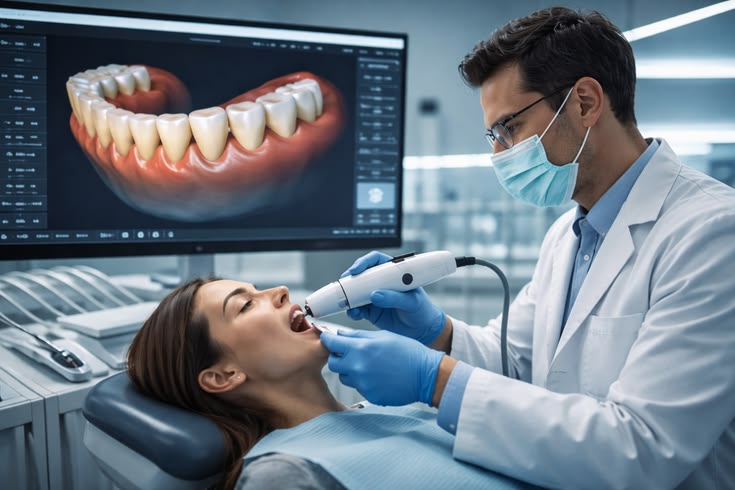
Dental health is an essential part of overall well-being, yet many people overlook the importance of taking responsibility for their oral care. Dental responsibility involves maintaining healthy habits, practicing proper oral hygiene, attending regular dental checkups, and making informed lifestyle choices that protect teeth and gums. Consistent oral care not only helps preserve a healthy smile but also supports long-term physical health and confidence. Understanding the importance of dental responsibility allows individuals to prevent many common oral problems before they become severe. When people actively care for their teeth and gums, they reduce the risk of tooth decay, gum disease, bad breath, and other complications that can affect daily life. What Is Dental Responsibility? Dental responsibility refers to the personal commitment to maintaining healthy oral hygiene habits and protecting oral health over time. It includes both daily self-care and preventive professional care. Responsible dental habits often include: Dental responsibility also involves understanding how lifestyle choices impact oral health and taking preventive action to reduce risks. The Connection Between Oral Health and Overall Wellness Oral health is closely connected to overall health. Poor dental hygiene may contribute to inflammation and infections that can affect other areas of the body. Studies have linked poor oral health to conditions such as: Understanding the importance of dental responsibility encourages individuals to view oral care as part of complete healthcare rather than a separate concern. Protecting oral health can positively influence both physical wellness and quality of life. Helps Prevent Tooth Decay Tooth decay is one of the most common dental problems worldwide. Cavities develop when bacteria in plaque produce acids that damage tooth enamel. Practicing responsible oral hygiene helps remove plaque and reduce bacterial buildup. Brushing and flossing consistently can significantly lower the risk of cavities and enamel erosion. Preventive care is always more effective and less complicated than treating advanced decay. Supports Healthy Gums Healthy gums are essential for maintaining strong and stable teeth. Neglecting oral hygiene may lead to gingivitis and periodontal disease, which can damage gum tissues and supporting bone structures. Dental responsibility includes proper gum care through regular cleaning and preventive habits. Healthy gums reduce the risk of bleeding, swelling, infection, and tooth loss. Maintaining gum health is a critical component of lifelong oral wellness. Encourages Preventive Dental Care Many people visit a dental clinic only when they experience pain or discomfort. However, preventive care plays a major role in maintaining oral health and avoiding serious complications. Routine dental examinations and professional cleanings help identify problems early before they become severe. Preventive care may reduce the need for extensive restorative procedures in the future. Responsible dental care encourages regular monitoring and early intervention for better long-term outcomes. Promotes Better Daily Hygiene Habits Understanding dental responsibility helps individuals develop consistent oral hygiene routines. Daily habits play a significant role in protecting teeth and gums from disease. Important oral hygiene practices include: These simple routines can greatly improve oral cleanliness and reduce the risk of dental complications. Reduces the Risk of Tooth Loss Tooth loss can affect chewing ability, speech, appearance, and confidence. Many cases of tooth loss are linked to untreated gum disease and long-term neglect of oral hygiene. Responsible dental care helps preserve natural teeth by reducing damage caused by plaque, bacteria, and inflammation. Maintaining healthy gums and teeth increases the likelihood of keeping natural teeth for many years. Protecting natural teeth contributes to improved comfort and better oral function. Supports Fresh Breath Bad breath is often caused by bacteria, plaque buildup, food particles, or gum disease. Poor oral hygiene can lead to persistent unpleasant mouth odor. Dental responsibility includes maintaining proper cleaning routines that help reduce bacterial accumulation. Consistent brushing, flossing, and hydration support fresher breath and improved oral cleanliness. Fresh breath can positively influence confidence and social interactions. Encourages Healthy Eating Habits Diet plays an important role in oral health. Sugary foods and acidic beverages can weaken enamel and increase the risk of cavities. Responsible dental care involves making healthier nutritional choices that support stronger teeth and gums. Foods rich in calcium, vitamins, and minerals help maintain healthy oral structures. Drinking water regularly and limiting sugary snacks can also contribute to better dental health. Helps Save Money on Future Treatments Preventive oral care is generally less expensive than treating advanced dental problems. Neglecting oral hygiene may eventually lead to costly procedures such as root canals, crowns, gum treatments, or tooth replacements. Understanding the importance of dental responsibility encourages preventive habits that reduce the likelihood of severe dental complications. Investing time in daily oral hygiene can help avoid significant financial burdens later. Improves Confidence and Smile Appearance Healthy teeth and gums contribute greatly to appearance and self-confidence. Dental issues such as visible decay, stained teeth, gum disease, or bad breath may affect social comfort and emotional well-being. Responsible oral care helps maintain cleaner teeth, healthier gums, and a brighter smile. A healthy smile often improves confidence in personal, academic, and professional settings. Good oral hygiene also supports clearer speech and overall comfort. Teaches Children Lifelong Healthy Habits Dental responsibility should begin early in life. Teaching children about proper oral hygiene can help establish lifelong healthy habits. Parents and caregivers play an important role in encouraging: Children who learn the value of dental responsibility are more likely to maintain strong oral hygiene practices into adulthood. The Impact of Lifestyle Choices on Oral Health Lifestyle habits can strongly influence dental wellness. Smoking, excessive alcohol consumption, stress, and poor nutrition may negatively affect oral tissues and gum health. Understanding dental responsibility helps individuals make healthier decisions that protect their oral and overall health. Healthy lifestyle choices support stronger immunity, healthier gums, and better long-term dental outcomes. Your smile deserves expert care and personalized attention. With years of experience in advanced orthodontic treatments,Dr. Nizar Ishaq is dedicated to helping patients achieve healthier, more confident smiles through modern techniques and customized treatment plans. Whether you need routine dental care, smile correction, or specialized orthodontic solutions, booking a consultation directly with Dr. Nizar Ishaq

Simple Ways to Improve Your Oral Care Routine
Blog

Simple Ways to Improve Your Oral Care Routine

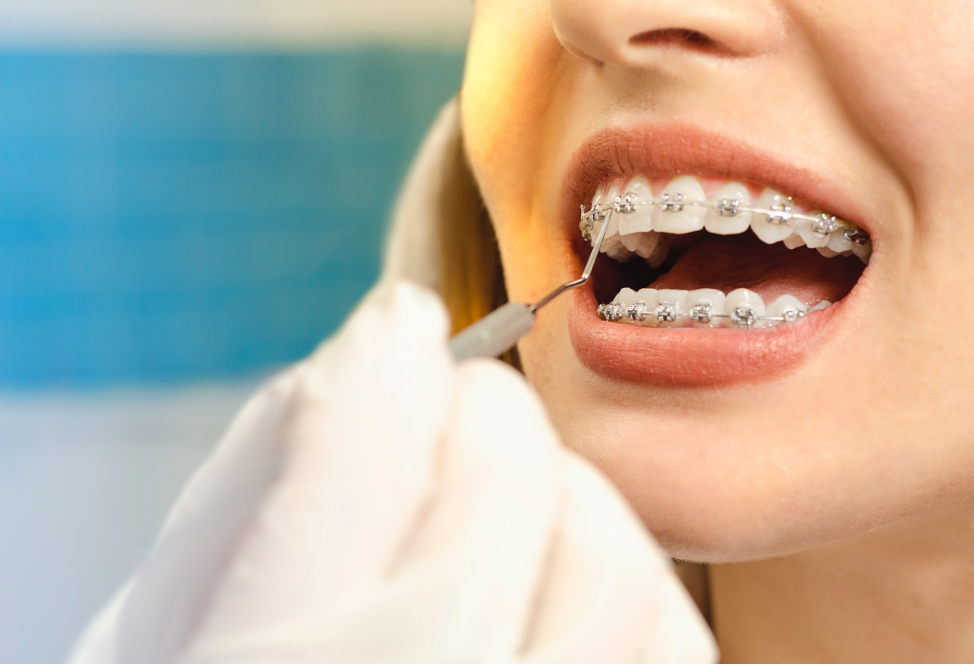
Maintaining good oral hygiene is one of the most important parts of overall health and wellness. A healthy mouth not only improves appearance and confidence but also helps prevent dental problems such as cavities, gum disease, bad breath, and tooth sensitivity. Many people believe oral care requires complicated routines, but even small improvements in daily habits can make a major difference over time. Creating a consistent and effective dental hygiene routine helps protect teeth and gums while supporting long-term oral health. Simple lifestyle adjustments and preventive habits can improve the condition of the mouth and reduce the risk of future dental complications. Brush Your Teeth Properly One of the most important ways to improve an oral care routine is to focus on proper brushing techniques. Brushing twice daily helps remove plaque, food particles, and bacteria that accumulate on teeth throughout the day. Many people brush too quickly or miss important areas of the mouth. Proper brushing should last at least two minutes and include all tooth surfaces, including the back teeth and gumline. Using a soft-bristled toothbrush and fluoride toothpaste can help protect enamel while effectively cleaning the teeth. Gentle circular motions are often more effective than aggressive scrubbing, which may damage gums and enamel. Replace Your Toothbrush Regularly An old or worn toothbrush may not clean teeth effectively. Over time, bristles become damaged and lose their ability to remove plaque properly. Replacing a toothbrush every three to four months can improve cleaning performance and maintain better oral hygiene. Toothbrushes should also be replaced after illness to reduce the spread of bacteria. Electric toothbrushes may provide additional cleaning benefits for some individuals and can help improve brushing consistency. Do Not Skip Flossing Flossing is an essential part of oral care that many people ignore. Toothbrushes cannot effectively clean the spaces between teeth where plaque and food particles often collect. Daily flossing helps remove debris from hard-to-reach areas and supports healthier gums. Consistent flossing may reduce the risk of cavities between teeth, gum inflammation, and bad breath. Floss picks or water flossers can provide convenient alternatives for people who struggle with traditional floss. Clean Your Tongue The tongue can harbor bacteria that contribute to bad breath and plaque buildup. Cleaning the tongue regularly is a simple step that can significantly improve oral hygiene. Tongue scrapers or toothbrushes can be used to gently remove bacteria and debris from the tongue surface. Adding tongue cleaning to a daily routine helps maintain fresher breath and a cleaner mouth. Drink More Water Water plays an important role in maintaining oral health. Drinking water throughout the day helps rinse away food particles, bacteria, and acids that may damage teeth. Proper hydration also supports saliva production. Saliva naturally helps protect teeth by neutralizing acids and reducing bacterial growth in the mouth. Replacing sugary drinks with water whenever possible can significantly reduce the risk of cavities and enamel erosion. Limit Sugary and Acidic Foods Diet has a major impact on oral health. Frequent consumption of sugary snacks and acidic beverages increases the risk of tooth decay and enamel damage. Reducing the intake of soda, candies, sweetened beverages, and acidic foods can help protect teeth. Choosing healthier snacks such as fruits, vegetables, cheese, and nuts supports stronger teeth and gums. Maintaining a balanced diet rich in vitamins and minerals also contributes to better oral wellness. Use Mouthwash Wisely Mouthwash can provide additional support for oral hygiene by helping reduce bacteria and freshen breath. Antibacterial or fluoride mouthwashes may offer added protection when used alongside brushing and flossing. However, mouthwash should not replace proper brushing or flossing. It works best as an additional step within a complete oral care routine. Alcohol-free mouthwash may be a better option for individuals who experience dry mouth or oral sensitivity. Maintain Consistent Dental Checkups Routine dental visits are an important part of preventive oral care. Professional cleanings help remove plaque and tartar that cannot be eliminated through home care alone. Regular dental examinations also allow early detection of problems such as cavities, gum disease, enamel wear, and oral infections. Scheduling consistent checkups can help maintain long-term oral health and reduce the likelihood of complex dental treatments later. Avoid Smoking and Tobacco Products Smoking and tobacco use can negatively affect oral health in many ways. These habits increase the risk of gum disease, tooth discoloration, bad breath, and oral tissue damage. Quitting smoking can improve gum health, reduce staining, and support overall wellness. Avoiding tobacco products is one of the most effective ways to improve both oral and physical health. Reduce Teeth Grinding Teeth grinding and jaw clenching can damage enamel, cause tooth sensitivity, and create jaw discomfort. Stress is often a major factor contributing to grinding habits. Managing stress through relaxation techniques, exercise, or healthy sleep routines may help reduce teeth grinding. In some cases, protective night guards may also support oral protection. Protecting teeth from unnecessary wear is an important part of maintaining long-term dental health. Eat Tooth-Friendly Foods Certain foods naturally support healthier teeth and gums. Calcium-rich foods help strengthen enamel, while crunchy fruits and vegetables may help clean teeth surfaces naturally. Foods beneficial for oral health include: A nutritious diet supports stronger oral tissues and contributes to healthier gums. Create a Consistent Routine Consistency is one of the most important factors in maintaining good oral health. Even simple habits become highly effective when practiced regularly. Creating a structured morning and nighttime oral care routine can make dental hygiene easier to maintain. Setting reminders or keeping oral care products visible may help improve consistency. Daily preventive care can reduce the likelihood of future dental complications and maintain healthier teeth over time. Protect Teeth During Sports People who participate in physical activities or sports should protect their teeth from injury. Wearing a mouthguard during contact sports can help prevent broken teeth and oral trauma. Sports-related dental injuries can be painful and expensive to treat, making preventive protection highly valuable. Understand the Importance of Preventive Care Preventive oral care is always more effective

Understanding the Role of Orthodontic Care
Blog

Understanding the Role of Orthodontic Care

Orthodontic care is a specialized branch of dentistry focused on diagnosing, preventing, and correcting misaligned teeth and jaw irregularities. While many people associate orthodontics with braces and straight teeth, its role extends far beyond aesthetics. Understanding the role of orthodontic care helps patients appreciate how it contributes to oral health, proper function, and long-term well-being. From early intervention in children to corrective treatment in adults, orthodontics plays a crucial role in building healthier, more functional smiles. What Is Orthodontic Care? Orthodontic care involves the use of dental appliances such as braces, aligners, and retainers to gradually move teeth into proper alignment. It also addresses jaw positioning and bite issues, ensuring that teeth work together correctly. The main goals of orthodontic care include: By addressing these issues, orthodontics improves both oral health and facial harmony. Improving Dental Alignment One of the primary roles of orthodontic care is to straighten misaligned teeth. Crooked or crowded teeth can make oral hygiene difficult, leading to plaque buildup and cavities. Proper alignment helps: Straight teeth are not only more attractive but also healthier and easier to maintain. Correcting Bite Issues A proper bite ensures that upper and lower teeth fit together correctly when the mouth closes. Misaligned bites can lead to several problems, including difficulty chewing, speech issues, and jaw pain. Common bite problems include: Orthodontic treatment helps correct these issues, improving both function and comfort. Enhancing Oral Health Orthodontic care plays a significant role in maintaining long-term oral health. Misaligned teeth create tight spaces where food particles and bacteria can accumulate. By correcting alignment, orthodontics helps: Healthy alignment ensures that teeth function properly and remain strong over time. Supporting Proper Jaw Development In children and teenagers, orthodontic care is essential for guiding jaw growth and development. Early treatment can prevent more serious issues later in life. Benefits of early intervention include: Orthodontists often monitor growth patterns to ensure healthy development. Improving Speech and Chewing Function Misaligned teeth and jaw issues can affect speech clarity and chewing efficiency. Orthodontic treatment helps correct these functional problems. Improved alignment leads to: This enhances everyday comfort and overall quality of life. Boosting Facial Aesthetics While function is the primary focus, orthodontic care also enhances facial appearance. A well-aligned smile contributes to overall facial balance and symmetry. Improvements may include: This often leads to increased confidence and self-esteem. Preventing Long-Term Dental Problems Untreated orthodontic issues can lead to serious long-term complications, such as: Early and timely orthodontic care helps prevent these complications and supports lifelong dental health. Types of Orthodontic Treatments Modern orthodontics offers a variety of treatment options based on individual needs. 1. Traditional Braces Metal or ceramic brackets connected by wires that gradually move teeth. 2. Clear Aligners Removable, nearly invisible trays that shift teeth into position. 3. Retainers Used after treatment to maintain alignment and prevent relapse. Each option is chosen based on complexity, age, and patient preference. Role of Technology in Orthodontic Care Advancements in dental technology have made orthodontic treatment more precise and comfortable. Modern tools include: These innovations improve accuracy and reduce treatment time in many cases. Importance of Patient Commitment Successful orthodontic treatment requires patient cooperation. Following instructions ensures better and faster results. Patients are advised to: Consistency plays a major role in treatment success. Orthodontic Care for All Ages Orthodontic treatment is not limited to children. Adults can also benefit significantly. Children: Teenagers: Adults: It is never too late to improve dental alignment and oral health. Psychological and Emotional Benefits Beyond physical improvements, orthodontic care has a positive impact on mental well-being. A well-aligned smile often leads to: These emotional benefits are just as important as clinical outcomes. Your smile deserves expert care and personalized attention. With years of experience in advanced orthodontic treatments,Dr. Nizar Ishaq is dedicated to helping patients achieve healthier, more confident smiles through modern techniques and customized treatment plans. Whether you need routine dental care, smile correction, or specialized orthodontic solutions, booking a consultation directly with Dr. Nizar Ishaq ensures professional guidance and patient-focused care. Take the first step toward a healthier, brighter smile by scheduling your consultation today.

The Connection Between Sleep and Oral Health
Blog

The Connection Between Sleep and Oral Health

Sleep is essential for overall health, but many people are unaware of its direct impact on dental well-being. The connection between sleep and oral health is stronger than it may seem, influencing everything from gum health to tooth decay risk and jaw function. Poor sleep habits can silently contribute to oral health problems, while good sleep supports healing, immunity, and a healthy mouth. Understanding this relationship helps you take a more holistic approach to maintaining both your smile and overall wellness. How Sleep Affects Oral Health During sleep, the body goes into repair mode. This includes the regeneration of tissues, immune system support, and reduction of inflammation. When sleep is disrupted or insufficient, these processes are affected, which can directly impact oral health. Poor sleep can lead to: Saliva plays a key role in washing away food particles and neutralizing acids, so reduced saliva during poor sleep increases the risk of dental problems. Sleep and Gum Disease One of the most important aspects of the connection between sleep and oral health is its effect on gum disease. Studies show that poor sleep quality can increase inflammation in the body, including the gums. This may result in: Chronic sleep deprivation weakens the body’s ability to fight bacterial infections, making gums more vulnerable. Teeth Grinding (Bruxism) and Sleep Sleep disorders are often linked to teeth grinding, also known as bruxism. Many people grind or clench their teeth during sleep without realizing it. Effects of sleep-related bruxism include: Stress, anxiety, and poor sleep quality are major contributors. Over time, untreated bruxism can lead to serious dental damage. Dry Mouth During Sleep Dry mouth (xerostomia) is common during sleep, especially in people who breathe through their mouths or have sleep disorders. Saliva production naturally decreases at night, but poor sleep can worsen the condition. Dry mouth increases the risk of: Maintaining hydration and addressing sleep issues can help reduce these risks. Sleep Apnea and Oral Health Sleep apnea is a serious sleep disorder that affects breathing during sleep. It has a strong connection with oral health, particularly in adults. Common oral indicators of sleep apnea include: Dentists often play a role in identifying early signs of sleep apnea and may recommend oral appliances to help manage the condition. Impact on Immune System and Healing Quality sleep is essential for a strong immune system. When sleep is disrupted, the body’s ability to fight infections and heal tissues is reduced. This affects oral health by: Good sleep supports faster healing after treatments such as extractions, implants, or gum procedures. Sleep and Inflammation in the Body Chronic lack of sleep increases inflammation throughout the body. In the mouth, this can worsen existing dental issues and make gums more sensitive. Inflammation can contribute to: Maintaining consistent sleep helps regulate inflammation levels. Hormonal Effects of Poor Sleep Sleep regulates important hormones that influence oral health. When sleep is disrupted, hormonal imbalance can occur, affecting: Elevated cortisol levels are linked to increased gum disease risk and slower healing. Behavioral Impact of Poor Sleep Lack of sleep can also affect daily habits that influence oral health. Tired individuals are more likely to: These behaviors increase the risk of cavities and gum issues over time. Improving Sleep for Better Oral Health Improving sleep quality can have a positive impact on dental health. Helpful habits include: 1. Maintain a Consistent Sleep Schedule Go to bed and wake up at the same time daily. 2. Reduce Stress Practice relaxation techniques such as deep breathing or meditation. 3. Avoid Late-Night Sugar Intake This reduces acid production and cavity risk overnight. 4. Stay Hydrated Drink enough water during the day to reduce dry mouth at night. 5. Address Sleep Disorders Seek professional help if you suspect conditions like sleep apnea or chronic insomnia. Oral Care Before Bed Nighttime oral hygiene is especially important due to reduced saliva flow during sleep. A proper routine should include: This helps remove food particles and bacteria before the mouth enters its low-activity state. The Role of Dentists in Sleep-Related Issues Dentists can often identify signs of sleep-related oral health problems. They may: Early detection can prevent long-term damage. Your smile deserves expert care and personalized attention. With years of experience in advanced orthodontic treatments,Dr. Nizar Ishaq is dedicated to helping patients achieve healthier, more confident smiles through modern techniques and customized treatment plans. Whether you need routine dental care, smile correction, or specialized orthodontic solutions, booking a consultation directly with Dr. Nizar Ishaq ensures professional guidance and patient-focused care. Take the first step toward a healthier, brighter smile by scheduling your consultation today.

Simple Lifestyle Changes for Better Oral Health
Blog

Simple Lifestyle Changes for Better Oral Health

Maintaining a healthy smile does not always require complicated routines or expensive treatments. In fact, small and consistent habits can make a significant difference in your dental health over time. Understanding simple lifestyle changes for better oral health can help you prevent common dental problems, improve confidence, and support overall well-being. Your daily choices—what you eat, how you care for your teeth, and even your habits—directly influence the health of your smile. Why Lifestyle Choices Matter for Oral Health Oral health is closely connected to overall health. Poor habits can lead to tooth decay, gum disease, and other complications that affect daily life. Unhealthy lifestyle habits may result in: The good news is that small improvements in daily habits can greatly enhance your oral health. Brush and Floss Consistently One of the most effective simple lifestyle changes for better oral health is maintaining a consistent brushing and flossing routine. Best practices include: These simple steps help remove bacteria and prevent plaque buildup. Choose a Tooth-Friendly Diet What you eat plays a major role in the condition of your teeth and gums. A balanced diet supports strong enamel and healthy gums. Include: Limit: A healthy diet helps protect your teeth from decay and strengthens overall oral health. Stay Hydrated Throughout the Day Drinking enough water is one of the simplest yet most effective ways to maintain oral hygiene. Water helps: Saliva is essential for protecting teeth against bacteria and decay. Reduce Sugary Drink Consumption Sugary beverages like soda, packaged juices, and energy drinks are major contributors to tooth decay. Reducing their intake helps: Switching to water or unsweetened drinks is a simple but powerful change. Avoid Harmful Habits Certain everyday habits can negatively impact your oral health without you realizing it. Habits to avoid: Breaking these habits helps protect enamel and maintain healthy gums. Maintain Regular Dental Check-Ups Routine dental visits are an important part of preventive care. Even if your teeth feel fine, professional check-ups help detect hidden issues early. Dentists help with: Regular visits ensure long-term dental health. Practice Proper Brushing Technique It’s not just about brushing regularly—it’s also about brushing correctly. Proper technique includes: Good technique protects enamel and prevents gum damage. Use the Right Oral Care Products Choosing appropriate dental care products can improve your oral hygiene routine significantly. Recommended products: Using the right tools enhances daily oral care effectiveness. Manage Stress for Better Oral Health Stress can indirectly affect oral health through habits like teeth grinding or neglecting hygiene routines. Stress-related issues may include: Practicing relaxation techniques such as exercise or meditation can help reduce these effects. Get Enough Sleep Sleep is essential for overall health, including oral health. Poor sleep can weaken immunity and increase inflammation in the body. Good sleep helps: Maintaining a consistent sleep schedule benefits both your body and your smile. Protect Your Teeth During Activities If you play sports or engage in physical activities, protecting your teeth is important. Tips include: Preventing injuries is easier than treating dental damage later. Your smile deserves expert care and personalized attention. With years of experience in advanced orthodontic treatments, Dr. Nizar Ishaq is dedicated to helping patients achieve healthier, more confident smiles through modern techniques and customized treatment plans. Whether you need routine dental care, smile correction, or specialized orthodontic solutions, booking a consultation directly with Dr. Nizar Ishaq ensures professional guidance and patient-focused care. Take the first step toward a healthier, brighter smile by scheduling your consultation today.
Tips for Maintaining Healthy Teeth at Any Age
Blog

Tips for Maintaining Healthy Teeth at Any Age: A Comprehensive Guide

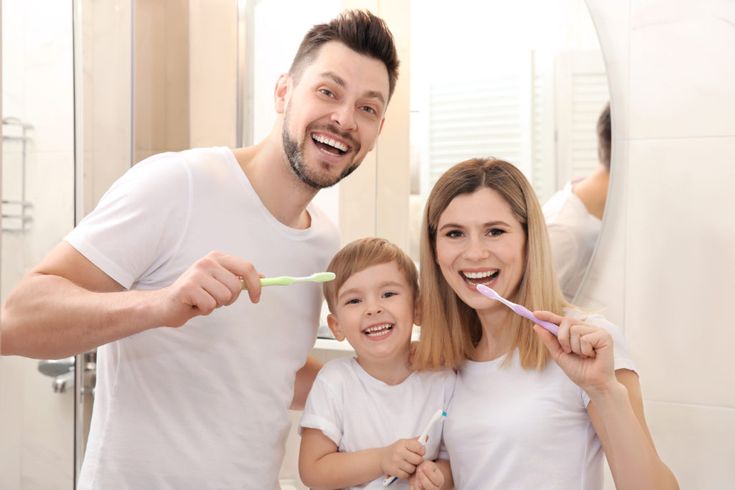
A bright, healthy smile is a sign of good oral health and overall well-being. Your teeth play a crucial role in eating, speaking, and expressing emotions, yet many people overlook the importance of proper dental care. Fortunately, with the right habits, it is possible to maintain healthy teeth throughout every stage of life. Understanding tips for maintaining healthy teeth at any age can help prevent cavities, gum disease, and other dental problems while ensuring your smile stays strong and beautiful. Oral Care in Childhood The foundation for lifelong oral health starts in childhood. Baby teeth may eventually fall out, but they are essential for guiding permanent teeth into proper alignment. Poor oral hygiene in early years can lead to cavities, infections, and misaligned teeth, impacting overall dental health. Tips for children: Instilling good oral habits early sets the stage for a lifetime of healthy teeth. Oral Care in Adolescence Teenagers experience hormonal changes, growth spurts, and increased independence, which can affect oral health. Stress, diet, and lifestyle choices, including sugary snacks, soda, and sports drinks, can contribute to enamel erosion and cavities. Additionally, many adolescents undergo orthodontic treatment, making diligent oral hygiene more critical. Tips for teens: Teaching adolescents the importance of oral care encourages self-discipline and long-term habits. Oral Care in Adulthood Adulthood brings new challenges for maintaining healthy teeth. Gum disease, enamel erosion, and tooth decay become more common due to diet, stress, and lifestyle habits such as smoking or alcohol consumption. Maintaining oral health is also linked to overall wellness, as conditions like diabetes, heart disease, and osteoporosis are connected to gum health. Tips for adults: Cosmetic dental treatments, such as whitening or veneers, can enhance confidence but should complement—not replace—basic oral hygiene. Oral Care in Older Adults As we age, teeth and gums naturally undergo wear and tear. Enamel can thin, gums may recede, and dry mouth becomes more common due to medications or reduced saliva production. Older adults may also have restorations such as crowns, bridges, or dentures, which require special care. Tips for older adults: Prioritizing oral care in older age ensures teeth remain functional and reduces the risk of infections and chronic health problems. General Tips for Maintaining Healthy Teeth at Any Age Regardless of your age, certain practices benefit everyone: Your smile deserves expert care and personalized attention. With years of experience in advanced orthodontic treatments, Dr. Nizar Ishaq is dedicated to helping patients achieve healthier, more confident smiles through modern techniques and customized treatment plans. Whether you need routine dental care, smile correction, or specialized orthodontic solutions, booking a consultation directly with Dr. Nizar Ishaq ensures professional guidance and patient-focused care. Take the first step toward a healthier, brighter smile by scheduling your consultation today.
How Stress Can Affect Oral Health
Blog

How Stress Can Affect Oral Health: Understanding the Hidden Connection

Stress has become an unavoidable part of modern life. While most people are aware of its effects on mental health, sleep, and heart health, many overlook how stress can affect oral health. The connection between stress and your mouth is profound, influencing everything from gum health to tooth decay. Understanding how stress can affect oral health is essential for maintaining a healthy smile and preventing long-term dental problems. The Link Between Stress and Oral Health Stress triggers a range of physical responses in the body, including increased production of cortisol, the stress hormone. Elevated cortisol levels can weaken the immune system, making it harder for your body to fight infections. In the mouth, this can translate to increased susceptibility to gum disease, infections, and delayed healing after dental procedures. Additionally, stress often leads to behavioral changes that negatively affect oral health. People under stress may neglect daily oral hygiene, consume more sugary or acidic foods, smoke, or grind their teeth—all habits that can harm teeth and gums. Common Oral Health Issues Linked to Stress 1. Gum Disease (Periodontitis) Chronic stress weakens the immune system, reducing the body’s ability to combat bacteria in the mouth. This can lead to inflammation of the gums, known as gingivitis, which may progress to periodontitis if left untreated. Symptoms include red, swollen, or bleeding gums, bad breath, and, in severe cases, tooth loss. 2. Tooth Grinding and Jaw Pain Stress often manifests physically through bruxism, or the habit of grinding and clenching teeth. Bruxism can occur during the day or while sleeping, causing tooth wear, fractures, jaw pain, and headaches. Over time, it can lead to temporomandibular joint (TMJ) disorders, affecting the jaw’s movement and causing chronic discomfort. 3. Canker Sores and Mouth Ulcers Stress is a known trigger for canker sores, small painful ulcers that develop on the soft tissues inside the mouth. While they are not contagious, they can be uncomfortable and interfere with eating and speaking. Reducing stress and maintaining good oral hygiene can help prevent their recurrence. 4. Dry Mouth (Xerostomia) Stress and anxiety can reduce saliva production, leading to dry mouth. Saliva plays a vital role in neutralizing acids, washing away food particles, and protecting against tooth decay. Chronic dry mouth increases the risk of cavities, gum disease, and bad breath. 5. Neglect of Oral Hygiene High stress levels can cause people to overlook basic oral care routines, such as brushing and flossing. Skipping dental care, even for short periods, can allow plaque and tartar to build up, increasing the likelihood of cavities and gum disease. How Stress-Related Habits Affect Oral Health Behavioral patterns linked to stress can further exacerbate dental issues. Strategies to Protect Oral Health During Stress While it’s impossible to eliminate stress entirely, there are ways to minimize its impact on your oral health: The Psychological Benefits of Oral Care Taking care of your smile can also help reduce stress. A clean, healthy mouth boosts confidence and contributes to a sense of control and self-care. Knowing that you are actively protecting your oral health can alleviate some of the psychological burdens associated with stress, creating a positive feedback loop that benefits both mind and body. Your smile deserves expert care and personalized attention. With years of experience in advanced orthodontic treatments, Dr. Nizar Ishaq is dedicated to helping patients achieve healthier, more confident smiles through modern techniques and customized treatment plans. Whether you need routine dental care, smile correction, or specialized orthodontic solutions, booking a consultation directly with Dr. Nizar Ishaq ensures professional guidance and patient-focused care. Take the first step toward a healthier, brighter smile by scheduling your consultation today.
Why Smile Care Is Important at Every Age: A Complete Guide
Blog

Why Smile Care Is Important at Every Age: A Complete Guide

A healthy smile is more than just a cosmetic asset—it’s a reflection of overall well-being. Oral health affects everything from nutrition to self-confidence, and taking care of your teeth and gums should never be underestimated. Understanding why smile care is important at every age can help you adopt lifelong habits that preserve your dental health, prevent disease, and enhance your quality of life. Smile Care in Childhood The foundation of good oral health begins in childhood. Baby teeth, often overlooked, play a crucial role in the development of permanent teeth and proper jaw alignment. Neglecting oral care in childhood can lead to cavities, infections, and misaligned teeth, which can affect speech and eating habits. Parents should emphasize brushing twice a day with fluoride toothpaste and introduce flossing as soon as teeth touch. Regular dental checkups are essential, as dentists can monitor growth, detect early issues, and provide guidance on diet and oral hygiene practices. Teaching children the value of smile care early sets the stage for a lifetime of healthy habits. Smile Care in Adolescence Adolescence is a period of rapid growth and change, and oral health can be challenged by hormonal fluctuations, diet, and lifestyle choices. Teens often consume more sugary snacks and drinks, which increase the risk of cavities and enamel erosion. Orthodontic treatments such as braces or clear aligners are also common at this stage, making diligent oral hygiene even more crucial. Regular brushing, flossing, and dental visits are essential during adolescence. Protecting teeth from sports injuries with mouthguards and addressing bad habits like teeth grinding can prevent long-term damage. Understanding why smile care is important at every age empowers teenagers to make informed choices about their dental health and appearance. Smile Care in Adulthood In adulthood, oral health becomes more closely linked to overall health. Gum disease, cavities, and enamel erosion can develop or worsen if proper care is neglected. Conditions like diabetes, heart disease, and osteoporosis are also connected to oral health, highlighting the systemic importance of maintaining a healthy smile. Adults should maintain a consistent oral hygiene routine, including brushing twice daily, flossing, and using mouthwash when appropriate. Regular dental checkups help detect problems early, such as cavities, gum inflammation, or signs of oral cancer. Cosmetic dental treatments, such as whitening or veneers, may also be pursued to enhance confidence, but they should complement—not replace—good oral hygiene practices. Smile Care in Older Adults As we age, teeth naturally undergo wear and tear. Gum recession, enamel thinning, and dry mouth are common concerns in older adults. These changes increase susceptibility to cavities, sensitivity, and infections. Additionally, older adults may be more likely to have restorations like crowns or dentures, which require special care. Maintaining oral health in older age is critical not just for teeth but for overall well-being. Poor oral hygiene can lead to infections, affect nutrition, and even exacerbate chronic health conditions. Daily brushing, gentle flossing, and regular dental visits are essential. Special products such as fluoride gels, electric toothbrushes, and denture care solutions can help older adults maintain a healthy, functional smile. The Psychological and Social Benefits of Smile Care Beyond physical health, caring for your smile at every age has psychological and social advantages. A healthy smile boosts self-confidence, encourages social interaction, and contributes to a positive self-image. People with good oral health are often perceived as more approachable and professional, enhancing both personal and professional relationships. Neglecting oral health, on the other hand, can lead to embarrassment, social withdrawal, and even anxiety. By understanding why smile care is important at every age, individuals can appreciate that oral hygiene is not just about preventing decay—it is about preserving confidence and quality of life. Practical Tips for Lifelong Smile Care To protect your smile at every stage of life, consider these practical tips: Your smile deserves expert care and personalized attention. With years of experience in advanced orthodontic treatments, Dr. Nizar Ishaq is dedicated to helping patients achieve healthier, more confident smiles through modern techniques and customized treatment plans. Whether you need routine dental care, smile correction, or specialized orthodontic solutions, booking a consultation directly with Dr. Nizar Ishaq ensures professional guidance and patient-focused care. Take the first step toward a healthier, brighter smile by scheduling your consultation today.
Why Straight Teeth Matter for Overall Health
Blog

Why Straight Teeth Matter for Overall Health

Straight teeth are often associated with a confident smile and aesthetic appeal, but their importance goes far beyond appearance. Properly aligned teeth contribute significantly to overall health, including oral hygiene, digestion, and even mental well-being. Understanding why straight teeth matter for overall health highlights the broader benefits of orthodontic care and early intervention. The Link Between Straight Teeth and Oral Hygiene One of the primary reasons straight teeth are essential is their impact on oral hygiene. Crooked or crowded teeth can create tight spaces and overlapping areas that are difficult to clean effectively with regular brushing and flossing. This can lead to plaque buildup, tooth decay, and gum disease. Straight teeth, on the other hand, allow for more efficient cleaning, reducing the risk of cavities and periodontal problems. By ensuring that all surfaces of the teeth are accessible, individuals can maintain better oral health and prevent long-term dental issues. Preventing Gum Disease and Tooth Decay Misaligned teeth increase the risk of gum inflammation and disease because plaque and bacteria can accumulate in hard-to-reach areas. Gum disease, or periodontitis, is linked not only to tooth loss but also to systemic health problems such as heart disease and diabetes. Properly aligned teeth distribute bite forces evenly, reducing stress on the gums and teeth. This minimizes the risk of enamel wear and decreases the likelihood of cavities forming in areas that are difficult to clean. Improving Chewing and Digestion Straight teeth are essential for proper chewing, which is the first step in the digestive process. Misaligned teeth or an uneven bite can hinder chewing efficiency, causing larger food particles to enter the digestive system. This can lead to digestive discomfort, indigestion, and reduced nutrient absorption over time. By maintaining straight teeth, individuals support better digestion, ensuring that food is broken down adequately before reaching the stomach and intestines. Reducing Jaw Pain and TMJ Disorders Crooked or misaligned teeth can cause uneven bite patterns, putting additional strain on the jaw muscles and temporomandibular joint (TMJ). This can result in jaw pain, headaches, and difficulty in opening or closing the mouth properly. Orthodontic treatments that straighten teeth help align the jaw correctly, relieving unnecessary pressure and reducing the risk of TMJ disorders. This contributes to overall comfort and functional oral health. Preventing Abnormal Wear and Tear When teeth are misaligned, certain teeth may experience excessive pressure during biting and chewing. Over time, this can lead to abnormal wear, cracks, or chipping. Properly aligned teeth ensure that forces are distributed evenly across all teeth, preserving enamel integrity and preventing premature damage. This protective effect is crucial for long-term oral health and reduces the need for restorative dental procedures such as crowns or fillings. Boosting Self-Esteem and Mental Health Beyond physical health, straight teeth also contribute to mental and emotional well-being. A well-aligned smile enhances confidence, social interactions, and professional opportunities. Individuals who feel comfortable with their smile are more likely to maintain good oral hygiene, creating a positive feedback loop for overall dental health. The psychological benefits of straight teeth should not be underestimated, as they can motivate healthier habits and improve quality of life. Early Intervention and Lifelong Benefits The best outcomes in achieving straight teeth are often seen with early orthodontic intervention, particularly in children and adolescents. Early detection of misalignment allows dentists and orthodontists to guide jaw growth, prevent severe bite issues, and reduce the duration of treatment. For adults, orthodontic treatment still offers significant health benefits. Modern options like clear aligners and less invasive braces make it easier to achieve alignment while addressing functional and aesthetic concerns. Preventing Speech Difficulties Misaligned teeth and improper bite patterns can also impact speech. Crowded teeth or gaps may cause difficulties in pronouncing certain sounds or result in lisps. Straightening teeth can improve articulation, enhance communication skills, and prevent potential speech-related frustrations, especially in children. Your smile deserves expert care and personalized attention. With years of experience in advanced orthodontic treatments,Dr. Nizar Ishaq is dedicated to helping patients achieve healthier, more confident smiles through modern techniques and customized treatment plans. Whether you need routine dental care, smile correction, or specialized orthodontic solutions, booking a consultation directly with Dr. Nizar Ishaq ensures professional guidance and patient-focused care. Take the first step toward a healthier, brighter smile by scheduling your consultation today.
Effective Ways to Keep Your Teeth Healthy: A Complete Guide
Blog

Effective Ways to Keep Your Teeth Healthy: A Complete Guide

Maintaining strong, healthy teeth is essential not only for a beautiful smile but also for overall well-being. Poor oral health can lead to cavities, gum disease, bad breath, and even systemic health issues such as heart disease and diabetes. The good news is that with proper habits and regular care, you can protect your teeth and gums for life. This article will explore effective ways to keep your teeth healthy and ensure long-term oral hygiene. 1. Brush Your Teeth Properly and Regularly Brushing is the cornerstone of oral hygiene. To maximize its benefits: Proper brushing removes plaque and food particles that can cause cavities and gum disease, making it one of the most effective ways to keep your teeth healthy. 2. Floss Daily Brushing alone cannot reach the tight spaces between teeth. Flossing daily removes plaque and trapped food that could lead to gum inflammation and tooth decay. To floss effectively: Flossing is crucial for preventing gum disease, which is linked to heart disease and other systemic health issues. 3. Maintain a Balanced Diet Nutrition plays a vital role in oral health. Sugary and acidic foods contribute to tooth decay, while certain nutrients help strengthen teeth and gums: A balanced diet supports oral health and overall well-being simultaneously. 4. Drink Plenty of Water Drinking water helps wash away food particles and neutralize acids produced by bacteria in the mouth. Fluoridated water, in particular, strengthens teeth and helps prevent decay. Staying hydrated also supports saliva production, which is critical for protecting teeth from bacteria and aiding in digestion. 5. Avoid Tobacco Products Smoking and chewing tobacco have severe effects on oral health. They increase the risk of: Avoiding tobacco is a vital step in keeping your teeth healthy and protecting your overall health. 6. Limit Alcohol Consumption Excessive alcohol intake can dry out your mouth and reduce saliva flow, creating an environment where bacteria thrive. Alcoholic drinks, especially sugary ones, can increase the risk of cavities and gum disease. Moderation is key to maintaining oral hygiene. 7. Visit Your Dentist Regularly Routine dental check-ups are one of the most effective ways to keep your teeth healthy. Dentists can: Most dental professionals recommend visiting a dentist at least twice a year for check-ups and cleanings. 8. Use Mouthwash as an Extra Measure Mouthwash can complement brushing and flossing by: Choose an alcohol-free, antibacterial mouthwash for daily use to enhance oral hygiene without irritating the mouth. 9. Protect Your Teeth During Physical Activities If you play contact sports or grind your teeth at night, using protective devices can prevent damage: These preventive measures protect teeth from trauma and maintain long-term dental health. 10. Be Mindful of Oral Health Habits Simple habits can have a big impact on oral health: Small lifestyle adjustments can make a significant difference in maintaining healthy teeth. Your smile deserves expert care and personalized attention. With years of experience in advanced orthodontic treatments, Dr. Nizar Ishaq is dedicated to helping patients achieve healthier, more confident smiles through modern techniques and customized treatment plans. Whether you need routine dental care, smile correction, or specialized orthodontic solutions, booking a consultation directly with Dr. Nizar Ishaq ensures professional guidance and patient-focused care. Take the first step toward a healthier, brighter smile by scheduling your consultation today.

Scroll to Top